John J. Schessler, MS, SPC, CPT is the founder of Athlete Mindset HQ and a sport psychology, fitness, and performance professional with a background in child and adolescent psychology. His work explores the intersection of mindset, physical performance, mental well-being, fitness, and human development. Through practical, evidence-informed education, John challenges outdated ideas about fitness and performance while helping people build stronger bodies, healthier mindsets, and sustainable habits for life. His philosophy is simple: More Than Winning—build the person, and performance follows.
Today is International Women’s Day! However, everyday is women’s health awareness day. So let’s talk about the number one killer of women in the United States and how to prevent it….heart disease.
Heart disease as I stated is the number one cause of death of women in the United States, killing 1 in 5 women. About 1 in 16 who are age 20 and older have coronary artery disease (CAD) which is the most common type of heart disease. CAD happens when coronary arteries struggle to supply the heart with enough blood, oxygen and nutrients. Cholesterol deposits, or plaques, are almost always to blame. Coronary artery disease can range from no symptoms, to chest pain, to a heart attack. Treatments include lifestyle changes, medications, angioplasty, and surgery. Symptoms of CAD are angina (chest pain), pain in the neck, throat and jaw as well as nausea, vomiting and fatigue. There are also some ‘silent’ symptoms of CAD as well, ranging from heart attacks, arrhythmia and heart failure.
Risk factors often are associated with high blood pressure, LDL cholesterol numbers being abnormal, smoking, being overweight or diabetic, having an unhealthy diet, living a sedentary lifestyle and consistent use of alcohol. With all of these risk factors, is there a way to lower or get rid of them? The good news is that the answer to that question is yes. Most of lowering your risk factors is to take preventative measures before things start to worsen. Here are some things that you can do to decrease your risk of CAD:
Know your BP numbers. At the doctor, have them check your BP on a regular basis.
Talk to your doctor about pre-screening for diabetes. Uncontrolled diabetes raises the risk of heart disease. Consider having your triglycerides and cholesterol checked. Abnormal numbers in these areas may be indicators of an underlying heart condition.
Make healthy food choices. This goes without saying but bears repeating because sometimes the most obvious solution is often overlooked.
Limit alcohol consumption.
Manage stress and try to find ways to cope with stressors. Seek therapy, have a support system and people you can count on to help you when things get rough.
Being proactive about your health and staying on top of things for some people can take a backseat because life tends to get in the way. However, the more in tune with your body and recognizing when things are wrong will fair better for you in the long run. Women need each other to be healthy because they feed off of each others positive energy. The best way to stay thriving is to schedule doctors appointments, medical tests, etc. Let’s help each other create a healthier world, one woman at a time.
I’m excited to officially introduce something I’ve been working on for Athlete Mindset HQ:
THE ATHLETE MINDSET JOURNAL
And we’re starting with a topic that sits at the heart of performance:
ISSUE 001 — CONFIDENCE
It Isn’t Found. It’s Built.
This isn’t a journal filled with “just believe in yourself” advice.
Issue 001 takes a deeper look at how confidence is actually developed—through preparation, action, failure, recovery, evidence, self-trust, and learning how to perform when pressure shows up.
Inside you’ll find:
🧠 The psychology of self-belief 🔄 The Confidence Loop™ 🏦 The Evidence Bank ⚡ The 10-Second Reset 🎯 The Pre-Performance Routine 💪 Responding to failure 🔥 Performing under pressure 📝 Practical exercises you can actually use
It’s written with athletes and coaches in mind, but these ideas don’t stop when you leave the field, court, mat, weight room, or locker room.
Confidence matters in careers.
Relationships.
Leadership.
School.
Fitness.
And those moments when life asks you to do something before you feel completely ready.
That’s really what this first issue is about.
You don’t have to become someone who never experiences doubt.
You can become someone who knows how to move even when doubt shows up.
📖 ISSUE 001 IS AVAILABLE NOW.
👉 Get your copy here: [INSERT LINK]
Or scan the QR code on the graphic.
If you know an athlete, coach, parent, educator, or competitor who could benefit from it, please share this with them.
It happens like clockwork every autumn. The first few weeks of school are pure energy—crisp lesson plans, freshly sharpened pencils, and shiny hallway displays. Then comes week four.
A cough echoes from the back row. A runny nose wipes against a sleeve. Before you know it, the infamous “Kiddie Krud” has invaded your classroom, and you’re wondering if writing sub plans is worth the trouble or if you should just power through on day-old coffee and sheer willpower.
Teaching is an endurance sport. Between circulating rooms, managing chaos, grading during prep periods, and constantly projecting your voice, your body takes a beating. If you don’t actively protect your physical health, the school year will quickly run you down.
Here is your complete game plan to armor your immune system, hit the gym efficiently, and build resilient strength from the first bell to summer break.
1. Classroom Defense & Daily Immunity
You cannot control what germs walk through your classroom door, but you can control your internal defense system and personal boundaries.
Hydrate Intentionally: Dehydration dries out the mucosal lining in your respiratory tract, making it easy for viruses to take hold. Keep an insulated 32 oz water bottle at your desk and finish at least two full bottles before the final bell.
Fuel with Micronutrients: Skip the staff lounge donuts that send your blood sugar on a rollercoaster. Focus on lean proteins, colorful produce rich in antioxidants, and baseline supplements like Vitamin D3, Vitamin C, and Zinc to keep immune responses robust.
Establish Personal Safe Zones: Keep dedicated pens that students never touch, sanitize your desk/keyboard daily, and drill the “vampire cough” (into the elbow crook) with your class early.
Protect 7–8 Hours of Sleep: Sleep is when your body produces infection-fighting cytokines. Set a hard cutoff for grading in the evening to let your nervous system wind down.
2. The Teacher’s Gym Blueprint: Work Smarter, Not Longer
The biggest barrier teachers face in the gym isn’t motivation—it’s decision fatigue and physical exhaustion. After seven hours on your feet, the last thing you need is a 90-minute bodybuilding split that leaves you crippled with soreness for tomorrow’s bus duty.
The goal of your gym sessions should be:
Strengthening the Posterior Chain (glutes, hamstrings, upper back) to reverse the forward-slouch of grading and leaning over desks.
Decompressing the Spine & Hips after standing on concrete floors all day.
Boosting Energy & Circulation to flush out metabolic waste and keep immune markers elevated.
The 3-Day Teacher Strength Split (40 Minutes Each)
Aim for 3 non-consecutive days (e.g., Monday, Wednesday, Friday or Tuesday, Thursday, Saturday). Keep rest periods to 60–90 seconds to stay efficient.
Day 1: Full-Body Functional Strength (Lower Focus)
Target: Building leg endurance, hip stability, and core bracing.
Exercise
Sets
Reps
Coaching Notes
Goblet Squat (Kettlebell or Dumbbell)
3
10–12
Keeps torso upright; opens hips tight from sitting during prep.
Romanian Deadlift (Dumbbells or Barbell)
3
10
Loads hamstrings and glutes; protects lower back from lifting heavy supply boxes.
Dumbbell Flat or Incline Bench Press
3
8–10
Builds chest, shoulder, and tricep pressing strength.
Half-Kneeling Lat Pulldown / Cable Row
3
12
Strengthens upper back while actively stretching the back hip flexor.
Farmer’s Carries
3
40 paces
Grip heavy dumbbells and walk tall; bulletproofs grip and core.
Day 2: Posture & Posterior Chain (Upper Focus)
Target: Reversing “teacher slouch” and opening the chest and shoulders.
Exercise
Sets
Reps
Coaching Notes
Seated Cable Rows (Neutral Grip)
4
10–12
Focus on squeezing shoulder blades back and down.
Dumbbell Standing Overhead Press
3
8–10
Reinforces vertical pushing power and core stability.
Face Pulls (Rope Attachment)
3
15–20
The ultimate antidote for forward-head posture and rounded shoulders.
Dumbbell Bulgarian Split Squats (or Reverse Lunges)
3
8/leg
Single-leg balance and hip strength for all-day standing stamina.
Deadbugs or Hollow Body Holds
3
30–45 sec
Anti-extension core work to protect the lumbar spine.
Day 3: Total-Body Circuit & Conditioning
Target: Elevating heart rate, building work capacity, and clearing mental stress.
Complete this as a circuit. Rest 90 seconds after each full round; repeat for 3 to 4 total rounds.
Kettlebell Swings (or Trap Bar Deadlifts): 12–15 reps (explosive hip hinge)
Push-Ups (or Incline Push-Ups on a Bench): 10–12 reps
Chest-Supported Dumbbell Rows: 10–12 reps
Goblet Reverse Lunges: 8 reps per leg
Plank with Shoulder Taps: 20 total taps (controlled)
Don’t jump straight into the car after your workout. Finish with these three mobility movements to calm your central nervous system before heading home:
Couch Stretch (1 min/side): Opens up tight hip flexors and quads by alternating between standing and classroom chairs.
Child’s Pose with Lat Stretch (1 min): Reach arms diagonally to lengthen the lats and decompress the lower back.
Thoracic Spine Foam Rolling / Open Books (1 min/side): Restores mobility to the mid-back and neck.
The Takeaway
Taking care of your body isn’t an extracurricular activity—it’s the foundation of your career longevity.
When you prioritize clean nutrition, consistent movement, and targeted resistance training, you build physical resilience that makes classroom challenges manageable and keeps the Kiddie Krud out of your sick days.
Put your workouts on your planner just like your lesson plans, and give yourself the energy you deserve.
ABOUT THE AUTHOR
John J. Schessler, M.S.
John J. Schessler, M.S., is a Mental Performance Coach, Behavior Interventionist, motivational speaker, and founder of Athlete Mindset HQ—a high-performance coaching platform dedicated to helping athletes, professionals, and everyday individuals develop the mindset needed to thrive under pressure and perform at their highest potential.
John earned his Master of Science in Sport Psychology from Capella University and his Bachelor of Arts in Child & Adolescent Psychology from Southern New Hampshire University. His work bridges the gap between psychology, human performance, behavioral science, and personal development, combining evidence-based strategies with practical coaching that people can immediately apply in sport, work, and everyday life.
His passion for helping others is rooted in his own journey. As a child, John survived Guillain-Barré Syndrome, spending weeks in a coma before fighting through rehabilitation to reclaim his life. That experience shaped his belief that resilience isn’t something you’re born with—it’s something you build through adversity, discipline, and purpose.
Today, John works with individuals from all walks of life, helping them strengthen confidence, improve emotional resilience, overcome obstacles, and develop the habits that lead to lasting success. Whether coaching athletes, mentoring students, speaking to organizations, or creating educational content, his mission remains the same: to help people become mentally stronger than the challenges they face.
John is also the host of The Follow Through Podcast, where he explores sports psychology, leadership, men’s mental health, motivation, resilience, and human performance through practical conversations that inspire listeners to move beyond intention and into action.
His philosophy is simple:
Mental strength isn’t about never struggling. It’s about developing the confidence, discipline, and resilience to keep moving forward—especially when life gets difficult.
Because success isn’t built by what you intend to do.
It’s built by what you follow through on.
Personal Brand Statement
John J. Schessler, M.S. is dedicated to helping people unlock their potential by strengthening the one asset that influences every area of life—the mind. Through education, coaching, and authentic conversation, he empowers others to develop confidence, resilience, and the discipline to follow through on their goals.
For decades, the fitness industry has been remarkably good at turning simple concepts into complicated rules.
Don’t eat after 8 p.m.
You have to do cardio to lose weight.
Women should lift light weights so they don’t get bulky.
No pain, no gain.
You need to train six days a week.
If you’re not sweating, you’re not working hard enough.
And perhaps the most famous one of all:
“Just eat less and move more.”
Some of these ideas contain a tiny piece of truth. Others were never particularly good advice in the first place.
But as we move into 2027, exercise science—and our understanding of human behavior—has given us a much better way of thinking about fitness.
The future of fitness isn’t about finding another secret.
It’s about finally letting go of some of the myths we’ve been carrying around for decades.
1. “No Pain, No Gain”
Let’s start with the classic.
Hard training can absolutely be uncomfortable. Your muscles may burn. Your breathing may become heavy. The final repetitions of a challenging set probably shouldn’t feel easy.
But pain and effort are not the same thing.
Pain is information.
And treating every painful sensation as evidence of a productive workout is a terrible long-term training strategy.
Muscle soreness isn’t a report card, either. You can have an excellent workout without struggling to walk down the stairs the next morning.
The better question isn’t:
“How badly did this workout beat me up?”
It’s:
“Did this workout provide enough stimulus for my body to adapt?”
Those are two very different things.
2. “You Have to Train to Failure”
Training to muscular failure became almost synonymous with serious lifting in certain corners of gym culture.
If you had another repetition left, apparently you weren’t trying hard enough.
Except that’s not necessarily how adaptation works.
The American College of Sports Medicine (#ACSM)’s updated resistance-training guidance emphasizes something refreshingly practical: many different approaches to resistance training can produce meaningful improvements, and training to momentary muscular failure is not consistently necessary for the average healthy adult.
There may be situations where training very close to failure is useful.
But every set does not need to become a battle between you and the barbell.
Good programming manages fatigue rather than worshiping it.
3. “Cardio Kills Your Gains”
This one refuses to die.
Yes, an enormous amount of endurance training combined with poorly programmed resistance training can potentially interfere with certain strength or hypertrophy goals.
But that’s very different from saying:
“Cardio makes you lose muscle.”
For most recreational lifters, cardiovascular fitness and muscular fitness should coexist.
Current physical-activity recommendations still call for adults to combine aerobic activity with
muscle-strengthening exercise.
Walk.
Bike.
Swim.
Run.
Use the elliptical.
Push a sled.
Play basketball.
Lift weights.
Your heart and your biceps do not have to be enemies.
4. “Sweating Means You’re Burning More Fat”
Sweat is your body’s cooling system.
It is not fat leaving your body.
Someone exercising in a hot room may sweat dramatically more than someone performing a challenging strength workout in an air-conditioned gym.
That doesn’t automatically make the first workout more effective.
Yes, your body weight may temporarily decrease after sweating heavily.
Most of that change is water.
Drink fluids and—surprise—the scale moves again.
Sweat can tell you that you’re hot.
It cannot tell you whether you’re having a great workout.
5. “You Need an Hour in the Gym for Exercise to Count”
This idea has probably prevented more exercise than it has encouraged.
Someone has 25 minutes available and thinks:
“Well, I can’t get a real workout in today.”
So they do nothing.
But twenty-five minutes of training is infinitely more productive than the imaginary 60-minute workout you didn’t do.
Current physical-activity guidance explicitly recognizes that activity can be accumulated rather than completed in one long session, and that some physical activity is better than none.
The 2027 mindset should be:
Stop chasing perfect workouts and start collecting productive ones.
Twenty minutes counts.
Walking counts.
Two strength sessions per week count.
Something is almost always better than nothing.
6. “Free Weights Are Better Than Machines”
The dumbbell rack doesn’t give you bonus points.
Neither does the squat rack.
Free weights are excellent.
Machines are excellent.
Cables are excellent.
Resistance bands can be excellent.
Bodyweight exercises can be excellent.
ACSM’s 2026 review found that nontraditional approaches—including elastic bands, bodyweight exercise and home-based resistance training—can meaningfully improve strength, hypertrophy and physical function.
Equipment is a tool.
The important question is whether you can safely and progressively challenge the muscles you’re trying to train.
A chest press machine doesn’t suddenly stop stimulating your chest because someone on social media prefers dumbbells.
7. “Lifting Heavy Makes Women Bulky”
Can we finally retire this one?
Building substantial amounts of muscle takes time, adequate nutrition, progressive resistance training and consistency.
It does not happen accidentally because someone picked up a 20-pound dumbbell.
Resistance training can improve strength, physical function, body composition and long-term independence.
The goal isn’t to convince every woman that she needs to become a powerlifter.
It’s simply to stop treating strength as something women should fear.
Strong isn’t bulky. Strong is useful.
8. “Crunches Burn Belly Fat”
Your abdominal muscles are muscles.
You can train them.
You can strengthen them.
You can develop them.
But doing 500 crunches doesn’t instruct your body to remove fat specifically from your stomach.
If only biology were that cooperative.
Where people store and lose body fat varies considerably.
So train your abs because having a strong trunk is useful.
Just don’t expect your abdominal workout to function like a targeted fat-removal program.
9. “You Need a Detox”
Your body already comes equipped with a surprisingly sophisticated detoxification system.
Your liver and kidneys would probably like a word with the wellness industry.
You generally don’t need a three-day juice cleanse because you ate pizza Saturday night.
Nor do you need to punish yourself Monday morning.
One meal doesn’t ruin your fitness.
One weekend doesn’t ruin your fitness.
And one green juice doesn’t create it.
Fitness is built through patterns.
Hydration.
Nutrition.
Movement.
Sleep.
Training.
Recovery.
Repeat.
Boring?
Maybe.
Effective?
Absolutely.
10. “Carbs Make You Fat”
Carbohydrates have had one of the strangest public-relations journeys in nutrition.
They’re either portrayed as essential athletic fuel or the reason civilization is gaining weight.
Reality is less dramatic.
Carbohydrates are one of the body’s major energy sources and can be particularly useful for supporting higher-intensity exercise.
That doesn’t mean unlimited carbohydrates are appropriate for everyone.
It means a potato isn’t inherently responsible for your waistline.
Context matters.
Total dietary intake matters.
Food quality matters.
Individual goals matter.
The nutritional pendulum doesn’t need to swing from “fat is evil” to “carbs are evil.”
Food doesn’t need villains.
11. “The Scale Tells You Whether Your Program Is Working”
This may be one of the most psychologically damaging ideas in fitness.
Imagine someone begins resistance training.
Their waist becomes smaller.
Their clothes fit better.
Their strength increases.
Their blood pressure improves.
They sleep better.
They have more energy.
They’ve developed muscle.
Then they step on the scale.
Same weight.
And suddenly they think:
“Nothing is working.”
The scale measures gravitational force on your total body mass.
That’s it.
It cannot tell you your confidence.
It cannot tell you your strength.
It cannot tell you how your clothes fit.
It cannot tell you how easily you climbed the stairs.
And it certainly cannot determine your worth.
Use body weight as one piece of information when it’s relevant to your goal.
Don’t turn it into a verdict.
12. “The Best Program Is the Most Advanced Program”
This might be the biggest lesson fitness needs heading into 2027.
Social media has made exercise incredibly complicated.
Optimal exercise order.
Optimal rep ranges.
Optimal rest periods.
Optimal training splits.
Optimal supplements.
Optimal exercise variations.
Optimal recovery metrics.
Optimal everything.
Meanwhile, someone has spent 45 minutes researching the optimal workout without actually exercising.
The latest ACSM resistance-training guidance sends a much simpler message: consistency beats complexity. Many forms of resistance training work, while variables such as load and weekly volume can then be adjusted according to the person’s specific goal.
For strength, muscle growth, athletic performance or advanced physique development, programming details absolutely matter.
But for most people?
Start by showing up.
Then worry about optimization.
13. “If You’re Not Motivated, You’re Lazy”
This one isn’t really exercise science.
It’s psychology.
And it’s one of the fitness industry’s worst habits.
People aren’t robots.
Motivation changes.
Energy changes.
Work gets stressful.
Kids get sick.
Relationships struggle.
Mental health fluctuates.
Sleep gets disrupted.
Life happens.
The solution isn’t always:
TRY HARDER.
Sometimes the better strategy is changing the environment.
Make the workout shorter.
Train closer to home.
Find an activity you actually enjoy.
Train with someone.
Set a smaller goal.
Remove unnecessary barriers.
Instead of asking:
“Why can’t I stay motivated?”
Try asking:
“How can I make this behavior easier to repeat?”
That question can completely change someone’s relationship with fitness.
What Fitness Should Look Like in 2027
The fitness industry doesn’t need another miracle workout.
It needs better perspective.
And interestingly, that’s already where fitness appears to be heading.
Current industry trends emphasize traditional strength training, exercise for mental health, programs for older adults, functional fitness, recreational sports, wearable technology and more individualized approaches to training.
Technology will continue becoming part of the equation, too. Wearables increasingly provide information about activity, sleep, heart rate and recovery, while data-driven training can help people make more individualized decisions. But even ACSM cautions that technology evolves faster than validation sometimes does.
Your smartwatch can provide information.
It shouldn’t become your boss.
The real evolution of fitness may therefore be surprisingly human.
Train for the life you actually live.
Build muscle.
Develop cardiovascular fitness.
Move well.
Eat reasonably.
Sleep.
Recover.
Find activities you enjoy.
Challenge yourself.
Rest when you need to.
Progress when you’re ready.
And most importantly:
Build something you can continue doing.
Because the best workout isn’t the one that burns the most calories.
It isn’t the one that leaves you lying on the floor.
It isn’t the program your favorite influencer follows.
It isn’t even necessarily the scientifically “optimal” program.
The best fitness program is the one that improves your health, moves you toward your goals, fits your life—and gives you a reason to come back tomorrow.
The Bottom Line
Maybe that’s the biggest piece of outdated fitness advice we need to leave behind:
The belief that getting fit requires suffering.
It doesn’t.
It requires adaptation.
And adaptation requires something much less exciting:
Consistency.
Fitness in 2027 shouldn’t be about punishing the body you have.
It should be about building the body—and the life—you want to carry into the decades ahead.
About the Author
John J. Schessler, MS, SPC, CPT is a sport psychology and fitness professional, educator, content creator, and founder of Athlete Mindset HQ, where he explores the connection between mindset, physical performance, mental well-being, and long-term health.
With a Master of Science in Sport Psychology, a Bachelor’s degree in Child & Adolescent Psychology, and professional training in personal fitness and sports psychology coaching, John brings a multidisciplinary perspective to health and performance. His work is grounded in a simple idea: fitness should prepare people for more than a number on a scale or a reflection in the mirror. It should help them become stronger, more capable, confident, resilient, and prepared for life.
John’s perspective is also deeply personal. After experiencing Guillain-Barré Syndrome as a child and undergoing an extensive rehabilitation process, he developed an early appreciation for movement, recovery, perseverance, and what the human body is capable of overcoming. Those experiences continue to influence the way he approaches fitness and performance today.
Through his writing, coaching, educational content, and Athlete Mindset HQ, John challenges fitness misinformation while translating exercise science and performance psychology into ideas everyday people can actually use.
His philosophy emphasizes progress over perfection, consistency over extremes, and sustainable habits over short-term fixes.
Because ultimately, fitness isn’t just about looking better.
It’s about building a stronger body, a stronger mind, and a life you’re physically and mentally prepared to live.
One of the most common goals I hear in fitness sounds something like this:
“I want to lose fat, but I don’t want to get smaller. I want to look more muscular.”
That goal has a name: body recomposition.
Instead of focusing exclusively on making the number on the scale go down, body recomposition is about changing what your body is made of, either increasing or preserving lean muscle while gradually decreasing body fat.
And while nutrition plays a huge role, what you do in the gym matters just as much.
If building muscle while losing fat is the goal, endless cardio probably shouldn’t be the centerpiece of your program.
Resistance training should be.
First: Can You Really Build Muscle and Lose Fat at the Same Time?
Yes—but there are some important caveats.
Muscle growth requires a training stimulus, sufficient protein, recovery, and enough energy to support adaptation. Fat loss occurs when the body uses more energy than it receives over time.
At first, those goals might sound contradictory.
But under the right circumstances, the body can use stored energy while still building or preserving muscle tissue.
Body recomposition tends to be particularly achievable for:
People who are relatively new to resistance training
People returning to exercise after time away
Individuals with higher levels of body fat
People who have previously trained inconsistently
People who significantly improve their nutrition and protein intake while beginning structured strength training
More experienced lifters can still improve their body composition, but progress is usually slower.
The key is giving your body a reason to keep—or build—muscle while you’re losing weight.
That reason is resistance training.
1. Squats
Squats are one of the best exercises for building overall lower-body strength and muscle.
They primarily train the:
Quadriceps
Glutes
Hamstrings
Core
Because so much muscle mass is involved, squats can be an extremely efficient addition to a body-recomposition program.
And you don’t necessarily need a barbell.
Depending on someone’s experience and ability, options include:
Beginner: Bodyweight squat or box squat Intermediate: Goblet squat Advanced: Barbell back squat or front squat
The goal isn’t simply to burn calories doing squats.
The goal is to progressively challenge the muscles so they have a reason to adapt.
2. Deadlifts and Hip-Hinge Movements
The deadlift is another major compound movement because it involves multiple muscle groups simultaneously.
Depending on the variation, deadlifts train the:
Glutes
Hamstrings
Back
Core
Forearms and grip
Traditional deadlifts aren’t mandatory, either.
Romanian deadlifts are one of my favorite options for emphasizing the
hamstrings and glutes.
Other alternatives include:
Dumbbell Romanian deadlifts
Trap-bar deadlifts
Cable pull-throughs
Kettlebell deadlifts
Learning the hip-hinge movement pattern is ultimately more important than forcing everyone to perform the same version of a deadlift.
3. Bench Press and Chest Presses
If you want to build the chest, shoulders, and triceps, pressing movements deserve a place in your program.
Good options include:
Barbell bench press
Dumbbell bench press
Incline dumbbell press
Machine chest press
Push-ups
Don’t dismiss machines, either.
Machines can be excellent muscle-building tools because they provide stability and allow someone to concentrate on challenging the targeted muscles.
For body recomposition, the question isn’t:
“Is this exercise hardcore enough?”
A better question is:
“Can I safely challenge this muscle and gradually become stronger at this movement?”
4. Rows
People sometimes focus heavily on what they can see in the mirror—chest, shoulders, arms and abs—while neglecting the back.
That’s a mistake.
Rows help develop the upper and middle back while also training the biceps.
Options include:
Seated cable rows
Dumbbell rows
Chest-supported rows
Barbell rows
Machine rows
A developed back can also make a dramatic difference in someone’s overall physique by creating more upper-body width and muscular definition.
Pull-ups are fantastic, but you don’t need to be able to perform them to develop your back.
Lat pulldowns are an excellent alternative.
Other options include:
Assisted pull-ups
Neutral-grip pulldowns
Chin-ups
Machine pulldowns
Again, progression matters more than choosing the exercise that looks most impressive.
6. Lunges and Split Squats
Single-leg exercises are incredibly useful because they challenge the legs differently than traditional bilateral exercises such as squats.
Examples include:
Reverse lunges
Walking lunges
Bulgarian split squats
Step-ups
Static split squats
These movements train the quads and glutes while also challenging balance, coordination, and stability.
They can also expose differences in strength between your right and left sides.
7. Overhead Presses
For building stronger, more developed shoulders, include some form of vertical pressing.
Good choices include:
Dumbbell shoulder press
Machine shoulder press
Barbell overhead press
Landmine press
Combine these with lateral raises and rear-delt exercises, and you have a solid foundation for developing the shoulders.
Why does that matter for body composition?
Because losing fat isn’t the only thing that changes how your physique looks.
Building muscle changes your proportions.
Adding muscle to the shoulders, back, chest and legs can dramatically change someone’s appearance even if their scale weight doesn’t change as much as expected.
8. Carries, Sleds and Loaded Conditioning
Not everything has to fit neatly into “strength training” or “cardio.”
Loaded carries and sled work can provide a combination of muscular and cardiovascular demand.
Examples include:
Farmer’s carries
Sled pushes
Sled pulls
Suitcase carries
These exercises can challenge conditioning while still requiring substantial muscular effort.
They also make training feel a little more athletic—which, in my opinion, is sometimes much more enjoyable than staring at the treadmill timer for 45 minutes.
What About Isolation Exercises?
Compound movements should make up a significant portion of many resistance-training programs, but isolation exercises aren’t useless.
Far from it.
Exercises such as:
Biceps curls
Triceps extensions
Lateral raises
Leg extensions
Hamstring curls
Calf raises
Cable flyes
can provide additional training volume to specific muscles without requiring the same systemic effort as another heavy compound lift.
If bigger arms are important to you, train your arms.
If you want more developed shoulders, train your shoulders directly.
Your program should reflect your goals.
What About Cardio?
Cardio absolutely has a place in a body-recomposition program.
The mistake is thinking that more cardio automatically equals more fat loss.
Cardiovascular exercise can help increase energy expenditure, improve cardiovascular fitness, support work capacity, and contribute to overall health.
But if muscle preservation and growth are priorities, resistance training shouldn’t become an afterthought.
A practical approach might include:
3–4 days of resistance training per week
combined with
2–3 moderate cardiovascular sessions
plus regular everyday movement such as walking.
You don’t have to destroy yourself every workout.
In fact, constantly training at maximum intensity can make recovery harder.
The Missing Ingredient: Progressive Overload
Simply performing these exercises isn’t enough.
Your body adapts to the demands placed upon it.
Eventually, the same workout that once challenged you becomes something your body can easily handle.
That’s where progressive overload comes in.
Over time, you might progress by:
Increasing the weight
Performing additional repetitions
Adding sets
Improving technique
Increasing range of motion
Controlling the lowering portion of an exercise
Progressing to a more challenging variation
Progress doesn’t mean adding weight every single workout.
It means creating a gradually increasing training stimulus over time.
How Heavy Should You Lift?
You don’t have to lift the heaviest weight possible to build muscle.
Muscle can grow across a fairly broad range of repetitions when sets provide sufficient effort.
For many recreational lifters, a useful starting point is:
6–12 repetitions for many compound movements
and
10–20 repetitions for many accessory exercises.
But don’t become obsessed with a particular number.
A set of 10 repetitions that you could have performed 20 times probably isn’t providing much stimulus.
A set of 10 where the last few repetitions are genuinely challenging is very different.
Effort matters.
Don’t Forget Protein
You can’t talk about body recomposition without talking about nutrition.
Resistance training provides the stimulus.
Protein provides amino acids your body uses to repair and build muscle tissue.
For active adults trying to build or preserve muscle, protein intake often lands somewhere around 1.6–2.2 grams per kilogram of body weight per day, depending on the person, goals, total calorie intake, and training demands.
Protein-rich foods might include:
Chicken
Turkey
Fish
Eggs
Greek yogurt
Cottage cheese
Lean beef
Tofu
Beans and lentils
Protein shakes when convenient
You don’t need to live on chicken and broccoli.
You need a nutritional pattern you can actually maintain.
Don’t Make the Calorie Deficit Too Aggressive
This is another common mistake.
Someone decides they want to lose fat, dramatically cuts calories, starts doing cardio every day, and wonders why their gym performance falls apart.
A very aggressive calorie deficit can make muscle growth more difficult and increase the risk of losing lean tissue.
If body recomposition is the goal, think:
Slow fat loss + resistance training + sufficient protein + recovery.
Not:
Eat as little as possible and exercise as much as possible.
Those are very different strategies.
Sleep Is Part of the Program
We love talking about workouts because workouts feel productive.
Recovery isn’t nearly as exciting.
But your muscles don’t actually grow while you’re performing the exercise.
Training provides the stimulus. Recovery allows adaptation.
Consistently poor sleep can interfere with training performance, recovery, appetite regulation, and your ability to stick with a program.
If you’re training hard but sleeping five hours a night, recovery deserves just as much attention as your workout split.
A Simple Body-Recomposition Workout
You don’t need 15 exercises every time you walk into the gym.
Finish with some walking, cycling, sled work, or another form of conditioning if appropriate.
That may not look flashy.
That’s okay.
Effective training doesn’t need to look complicated.
Stop Judging Progress Only by the Scale
This might be the most important part of body recomposition.
Imagine someone loses five pounds of fat while gaining three pounds of muscle.
The scale only moves two pounds.
If scale weight is the only measurement they’re watching, they might think:
“This isn’t working.”
Meanwhile, their waist is smaller, their clothes fit differently, their shoulders look broader, they’re noticeably stronger, and their body-fat percentage has decreased.
That’s progress.
Consider tracking:
Waist circumference
Progress photos
Strength improvements
How clothing fits
Body measurements
Training performance
Body-fat estimates, when measured consistently
Scale weight as one piece of information—not the entire story
The Bottom Line
If your goal is to increase muscle while decreasing body fat, don’t build your entire fitness program around burning calories.
Build it around giving your body a reason to become stronger.
Prioritize resistance training.
Train the major movement patterns.
Progress your exercises over time.
Eat enough protein.
Maintain a reasonable calorie intake.
Use cardio strategically.
Walk more.
Sleep.
Recover.
And be patient.
Body recomposition doesn’t usually produce the dramatic week-to-week scale changes people associate with crash diets.
But that’s partly the point.
You’re not simply trying to become a smaller version of yourself.
You’re trying to build a stronger, leaner, more capable version of yourself.
And that takes time.
Train for the body you want to build—not simply the calories you want to burn.
One person tells you to avoid carbohydrates. Someone else says you should fast until noon. Social media promises that a supplement, detox, or strict meal plan will completely transform your body.
For most everyday people, however, better nutrition does not require an extreme diet. It requires a handful of practical habits that can be repeated consistently.
The goal is not to eat perfectly. The goal is to build a way of eating that supports your health, energy, performance, and lifestyle.
Start With What Nutrition Is Supposed to Do
Food is more than a collection of calories. It provides your body with the energy and nutrients it needs to function.
What you eat can affect:
Energy and concentration
Hunger and fullness
Exercise performance and recovery
Muscle maintenance
Digestion
Mood and stress tolerance
Sleep quality
Long-term health
That does not mean every meal must be nutritionally perfect. Your overall pattern matters much more than any single food, snack, or day.
Build Most Meals Around a Simple Formula
You do not necessarily need to weigh every ingredient or track every calorie. A practical meal can usually be built around four components:
A source of protein
A fruit or vegetable
A source of carbohydrates
A moderate amount of healthy fat
For example:
Grilled chicken, rice, roasted vegetables, and olive oil
Scrambled eggs, whole-grain toast, and fruit
Greek yogurt, berries, oats, and peanut butter
Turkey on whole-grain bread with vegetables and a piece of fruit
Beans, rice, salsa, vegetables, and avocado
Not every meal will follow this formula exactly—and that is okay. It is simply a useful structure that makes balanced eating easier.
Include Protein Throughout the Day
Protein is often associated with bodybuilding, but it is important for everyone. It helps maintain muscle, supports recovery, contributes to immune function, and can make meals more satisfying.
Practical protein sources include:
Eggs
Chicken or turkey
Fish
Lean beef
Greek yogurt
Cottage cheese
Milk
Beans and lentils
Tofu or tempeh
Protein shakes
Instead of trying to consume most of your protein at dinner, include a reasonable source at breakfast, lunch, dinner, and possibly a snack.
A protein shake can be convenient, but it does not need to replace regular food. Think of it as a tool—not a requirement.
Carbohydrates Are Not the Enemy
Carbohydrates provide the body with energy. They are especially useful for people who work demanding jobs, exercise regularly, play sports, or simply want to remain active.
Carbohydrate sources include:
Fruit
Potatoes
Rice
Oats
Pasta
Bread
Beans
Cereal
Dairy products
The type and amount of carbohydrate matter, but carbohydrates themselves are not automatically unhealthy.
Whole grains, beans, fruits, and vegetables provide fiber and nutrients. Foods such as sweets, chips, and baked goods can also be part of a healthy diet when eaten in moderation.
The better question is not, “Are carbohydrates bad?” It is, “How does this food fit into my overall eating pattern?”
Eat More Fruits and Vegetables—Without Overthinking It
Fruits and vegetables provide vitamins, minerals, fiber, and other beneficial compounds. You do not need to rely exclusively on fresh produce, either.
Frozen and canned options can be nutritious, affordable, and easier to store. If you use canned vegetables, you can look for lower-sodium varieties or rinse them before eating.
Simple ways to add produce include:
Adding berries or a banana to breakfast
Keeping frozen vegetables for quick dinners
Adding lettuce and tomato to sandwiches
Eating fruit with lunch
Mixing vegetables into eggs, pasta, soup, or rice
Pairing raw vegetables with hummus or dip
Start by adding one serving instead of trying to completely rebuild your diet overnight.
Do Not Ignore Dietary Fat
Fat supports hormone production, cell function, nutrient absorption, and overall health. It also adds flavor and satisfaction to meals.
Helpful sources include:
Nuts and seeds
Nut butter
Olive oil
Avocado
Eggs
Salmon and other fatty fish
Because fat is energy-dense, portions still matter—especially if weight loss is a goal. But eliminating fat is neither necessary nor beneficial.
Hydration Matters More Than Most People Realize
Even mild dehydration can affect energy, concentration, exercise performance, and perceived effort.
Water needs vary according to body size, activity level, weather, medications, and health conditions. A practical approach is to drink consistently throughout the day rather than waiting until you feel extremely thirsty.
Keeping a water bottle nearby can help. Milk, tea, coffee, flavored water, fruits, vegetables, and soups can also contribute to fluid intake.
People with certain heart or kidney conditions—or those taking medications that affect fluid balance—should follow the guidance of their healthcare provider.
Make Healthy Eating More Convenient
Nutrition is not only about knowledge. It is also about environment and preparation.
When you are tired, stressed, or rushed, you will usually choose what is easiest. Make the easier choice a little more supportive of your goals.
Convenient options might include:
Rotisserie chicken
Microwaveable rice
Frozen vegetables
Pre-cut produce
Greek yogurt
Tuna packets
Hard-boiled eggs
Pre-portioned nuts
Whole-grain wraps
Bagged salads
Low-sodium soups
There is nothing wrong with taking shortcuts. A convenient, balanced meal is often more useful than an elaborate meal you never have time to prepare.
Avoid the All-or-Nothing Trap
One of the biggest obstacles to better nutrition is the belief that you must follow a plan perfectly.
You eat one unplanned meal and think the entire day is ruined. One difficult weekend becomes a reason to abandon your goals until Monday—or next month.
That is all-or-nothing thinking.
One meal does not determine your health, just as one workout does not determine your fitness. What matters is what you return to consistently.
You can enjoy pizza, dessert, restaurant meals, and holiday foods without failing. Flexibility is part of a sustainable approach to nutrition.
Focus on Progress You Can Maintain
A complete lifestyle overhaul may feel motivating for a few days, but small changes are often more sustainable.
You might begin by:
Eating protein with breakfast
Bringing lunch to work twice a week
Drinking water with meals
Adding one vegetable to dinner
Planning one reliable afternoon snack
Cooking at home one additional night
Slowing down while eating
Reducing distracted eating in front of a screen
Choose one or two changes and practice them until they feel normal. Then build from there.
The Bottom Line
Practical nutrition is not about fear, punishment, or perfection. It is about giving your body what it needs while still enjoying your life.
Eat enough protein. Include fruits and vegetables. Use carbohydrates for energy. Include healthy fats. Drink fluids consistently. Plan for busy days. Enjoy less-nutritious foods without guilt, and return to your usual habits afterward.
The best nutrition plan is not the strictest one.
It is the one that supports your goals, fits your real life, and can still be practiced when life is not perfect.
Better nutrition is not built through one dramatic decision. It is built through ordinary choices repeated consistently.
ABOUT THE AUTHOR
John J. Schessler, M.S., is a Mental Performance Coach, Behavior Interventionist, speaker, and founder of Athlete Mindset HQ—a high-performance coaching platform dedicated to helping athletes, professionals, and everyday individuals develop the mindset needed to thrive under pressure and perform at their highest potential.
John earned his Master of Science in Sport Psychology from Capella University and his Bachelor of Arts in Child & Adolescent Psychology from Southern New Hampshire University. His work bridges the gap between psychology, human performance, behavioral science, and personal development, combining evidence-based strategies with practical coaching that people can immediately apply in sport, work, and everyday life.
His passion for helping others is rooted in his own journey. As a child, John survived Guillain-Barré Syndrome, spending weeks in a coma before fighting through rehabilitation to reclaim his life. That experience shaped his belief that resilience isn’t something you’re born with—it’s something you build through adversity, discipline, and purpose.
Today, John works with individuals from all walks of life, helping them strengthen confidence, improve emotional resilience, overcome obstacles, and develop the habits that lead to lasting success. Whether coaching athletes, mentoring students, speaking to organizations, or creating educational content, his mission remains the same: to help people become mentally stronger than the challenges they face.
John is also the co-host of The Follow Through Podcast with Erika Reid, where they explore sports psychology, leadership, mental health, motivation, resilience, and human performance through practical conversations that inspire listeners to move beyond intention and into action.
His philosophy is simple:
Mental strength isn’t about never struggling. It’s about developing the confidence, discipline, and resilience to keep moving forward—especially when life gets difficult.
Because success isn’t built by what you intend to do.
It’s built by what you follow through on.
Personal Brand Statement
John J. Schessler is dedicated to helping people unlock their potential by strengthening the one asset that influences every area of life—the mind. Through education, coaching, and authentic conversation, he empowers others to develop confidence, resilience, and the discipline to follow through on their goals.
Two men can spend three hours together, barely discuss their personal lives, insult each other repeatedly, compete over something completely meaningless, and leave feeling closer than when they arrived.
From the outside, that can look strange.
From the inside?
It can make perfect sense.
Male friendship often has its own language.
It isn’t always spoken through long conversations, emotional disclosures, or obvious expressions of affection. Sometimes it happens through a fist bump. A joke. A challenge. A workout. Sitting next to each other, watching a game. Helping someone move on a Saturday morning.
Or simply asking:
“You good, man?”
Understanding male-to-male behavior requires us to look beyond what men say and pay attention to what they do.
Men Often Bond Shoulder-to-Shoulder
One of the most recognizable patterns in male friendship is what we might call “shoulder-to-shoulder” connection.
Men frequently develop relationships while participating in a shared activity.
Training.
Playing sports.
Working.
Fishing.
Gaming.
Watching football.
Building something.
Driving somewhere.
The activity gives the relationship somewhere to exist.
This doesn’t mean men are incapable of sitting face-to-face and discussing emotions. Of course they are.
But for many men, emotional connection develops more naturally when conversation isn’t the only thing happening.
Think about the conversations that happen during a long drive.
You’re both looking forward.
There’s no intense eye contact.
There isn’t necessarily pressure to respond immediately.
And suddenly someone says:
“Things haven’t been great lately.”
That’s the opening.
The activity creates psychological breathing room for vulnerability.
Banter Can Be Affection in Disguise
Male friendships can sound absolutely brutal to outsiders.
Friends roast each other.
Nicknames appear.
Old mistakes become permanent material.
Someone gets a new haircut and immediately regrets walking into the room.
Yet within healthy friendships, this behavior can serve an important social function.
Banter can communicate familiarity.
There is an implied message underneath it:
I know you.
You belong here.
We’re comfortable enough with each other that we can play.
Psychologically, humor can also reduce tension and make emotionally uncomfortable situations easier to approach.
A man might not know how to say:
“I’m really glad you’re okay.”
So instead, after his friend recovers from something difficult, he says:
“Good. Now quit being dramatic.”
Both men laugh.
And somehow they both understand what was actually being communicated.
Context matters, of course. Humor that humiliates, isolates, or repeatedly targets someone’s insecurities isn’t healthy bonding.
But affectionate teasing between friends can become part of their shared language.
Competition Doesn’t Always Mean Conflict
Put a group of men together long enough, and eventually somebody turns something into a competition.
Who can lift more?
Who can run faster?
Who knows more sports trivia?
Who grills the better steak?
Who can parallel park in one attempt?
Sometimes the competition is objectively ridiculous.
That’s part of the fun.
Healthy competition can create opportunities for men to test themselves against one another without threatening the relationship.
It can also communicate something deeper:
“I think you’re capable.”
When one man challenges another, the underlying message may be:
I believe you can rise to this.
That’s why teammates can compete intensely during practice and still walk out together afterward.
Competition and connection aren’t necessarily opposites.
Sometimes competition creates connection.
Respect Can Come Before Vulnerability
We often assume relationships become close through personal disclosure.
Sometimes they do.
But many male relationships follow another pathway:
Reliability → Respect → Trust → Vulnerability
A man watches how another man behaves.
Does he keep his word?
Does he show up?
Does he stay calm when things get difficult?
Can he admit when he’s wrong?
Does he treat people well when there’s nothing to gain?
Can he be trusted with information?
Over time, those observations create something important:
psychological safety.
Only then might the deeper conversations begin.
This is why two men may know each other for years before suddenly having an incredibly personal conversation.
The relationship wasn’t necessarily shallow before that moment.
Trust was being built behaviorally.
Showing Up Is Sometimes the Male Version of “I Love You”
Ask a man about one of his closest friends and you may hear something like:
“If I called him at 2:00 in the morning, he’d be there.”
That sentence says almost everything.
Male affection is often communicated through reliability.
Your car breaks down?
He’s coming.
You’re moving?
He shows up.
Your relationship falls apart?
There’s suddenly food sitting in front of you.
You’re going through something?
He might not know exactly what to say.
But he’s there.
This is instrumental support—helping through actions, problem-solving, resources, or practical assistance.
For some men, doing something for someone feels much more natural than explaining how much that person means to them.
The behavior becomes the message.
“You’re important enough for me to show up.”
Men Sometimes Check on Each Other Without Saying They’re Checking
A male friend might never text:
“I’ve noticed you’ve seemed withdrawn lately and I’m concerned about your emotional well-being.”
He might text:
“Gym tomorrow?”
Or:
“You watching the game?”
Or:
“Beer?”
Or simply:
“Where the hell have you been?”
The invitation may look casual.
But sometimes there’s another message underneath it:
I haven’t seen you.
I’ve noticed.
Come around.
This matters when we talk about men’s mental health.
Connection doesn’t always arrive looking like a mental-health conversation.
Sometimes it looks like an invitation.
Silence Doesn’t Always Mean Disconnection
Silence is often interpreted as social discomfort.
Not necessarily between men.
Two friends can sit in a car for twenty minutes without talking.
They can watch an entire game while exchanging only occasional commentary.
They can fish for hours.
They can work on something together with almost no conversation.
And neither person feels pressure to fill the silence.
That’s because intimacy isn’t measured solely by verbal communication.
Sometimes comfort is demonstrated by not needing to perform socially around another person.
You don’t need to entertain me.
I don’t need to entertain you.
We can simply exist in the same space.
That’s a surprisingly powerful form of trust.
Vulnerability Often Comes in Windows
Men absolutely experience fear, grief, insecurity, loneliness, shame, love, uncertainty, and emotional pain.
The question is often not whether those emotions exist.
It’s when and where they feel safe enough to reveal them.
Male vulnerability can appear in small windows.
A conversation after training.
A late-night phone call.
A long drive.
Sitting around after everyone else leaves.
A quiet moment after a game.
Someone finally says:
“Can I tell you something?”
The window opens.
A good friend recognizes it.
He doesn’t make a joke immediately.
He doesn’t change the subject.
He listens.
And when the conversation ends?
They might go straight back to talking about football.
That doesn’t diminish what happened.
Sometimes returning to normal is precisely what makes vulnerability feel safe.
The friendship hasn’t changed.
The man hasn’t suddenly become fragile.
He’s still one of the guys.
Advice Can Be a Form of Care
There’s a familiar situation:
One man tells another man about a problem.
Within thirty seconds:
“Okay, here’s what you need to do.”
This tendency sometimes gets criticized as men trying to “fix everything.”
And sometimes that’s exactly what’s happening.
But there can also be something compassionate underneath it.
Problem-solving creates agency.
The friend is essentially saying:
“Your problem matters enough to me that my brain is now working on it too.”
That’s care.
The challenge is learning when someone wants solutions and when he simply needs someone beside him.
Sometimes the better response isn’t:
“Here’s what you should do.”
It’s:
“Damn, man. That sucks. I’m here.”
Knowing the difference is emotional intelligence.
Male Groups Naturally Develop Roles
Spend enough time around a group of men and you’ll notice something else.
Roles emerge.
There’s often a leader.
A comedian.
A challenger.
A mediator.
A storyteller.
An expert.
A protector.
A quiet observer.
The guy everybody calls when something goes wrong.
The guy everyone messes with.
And interestingly, these roles can change depending on the situation.
The loudest man isn’t necessarily the leader.
The physically strongest man isn’t necessarily the protector.
The funniest man may actually be the person most sensitive to tension within the group.
Male social groups become small ecosystems.
Every person contributes something.
And understanding your role—and whether you’ve become trapped inside it—can reveal a lot about your psychology.
Men Create Shared Mythology
Close male friendships accumulate stories.
Remember that road trip?
Remember that coach?
Remember when you tried to do that?
Remember when we almost got thrown out?
Remember that game?
Those stories get repeated endlessly.
Everyone already knows how they end.
Nobody cares.
Because they’re no longer simply stories.
They are evidence of shared history.
They reinforce the identity of the group:
We were there together.
Shared experiences become emotional landmarks.
Sometimes men don’t say:
“We’ve been friends for twenty years and that relationship means a lot to me.”
They say:
“Remember that night in 2009?”
Same message.
Different language.
The Hidden Language of Male Friendship
When we only measure emotional connection through verbal disclosure, we risk misunderstanding how many men actually communicate.
Because male friendship can have an entire vocabulary built from behavior.
Banter can mean:I like you.
Competition can mean:I respect you.
Advice can mean:I want you to succeed.
An invitation can mean:I’ve been thinking about you.
Showing up can mean:You matter.
Comfortable silence can mean:I trust you.
Remembering an old story can mean:Our history matters to me.
“You good?” can mean:I’m worried about you.
And sometimes:
“Love you, brother.”
really does just mean:
I love you, brother.
The Skill Men Need to Develop
None of this means men shouldn’t become better at directly expressing emotion.
We should.
Behavioral communication shouldn’t replace emotional vocabulary.
It should complement it.
There is enormous strength in being able to tell another man:
“I’m struggling.”
“I appreciate you.”
“I need help.”
“I’m proud of you.”
“I miss you.”
“I love you.”
The goal isn’t to eliminate the traditional language of male friendship.
It’s to expand it.
Keep the jokes.
Keep the competition.
Keep the workouts.
Keep the ridiculous stories you’ve told 300 times.
Keep showing up.
But add something else.
Say the thing occasionally.
Because one of the most powerful developments in a man’s life happens when he realizes that strength and emotional honesty don’t have to compete for the same space.
They can exist together.
One Question Worth Asking
Think about the men closest to you.
Your friends.
Your brothers.
Your teammates.
Your coworkers.
Your training partners.
Your mentors.
Now ask yourself:
What are they communicating to me through their behavior that they’ve never actually said?
Then turn the question around:
What have I been trying to communicate to them without saying it?
Maybe there’s something worth finally putting into words.
Because sometimes the strongest thing one man can say to another isn’t complicated at all.
“Hey, man. I appreciate you.”
And then, naturally, you can immediately make fun of him afterward.
We can’t make this too weird.
About John J. Schessler, M.S.
John J. Schessler, M.S., is a Mental Performance Coach, Behavior Interventionist, speaker, and founder of Athlete Mindset HQ—a high-performance coaching platform dedicated to helping athletes, professionals, and everyday individuals develop the mindset needed to thrive under pressure and perform at their highest potential.
John earned his Master of Science in Sport Psychology from Capella University and his Bachelor of Arts in Child & Adolescent Psychology from Southern New Hampshire University. His work bridges the gap between psychology, human performance, behavioral science, and personal development, combining evidence-based strategies with practical coaching that people can immediately apply in sport, work, and everyday life.
His passion for helping others is rooted in his own journey. As a child, John survived Guillain-Barré Syndrome, spending weeks in a coma before fighting through rehabilitation to reclaim his life. That experience shaped his belief that resilience isn’t something you’re born with—it’s something you build through adversity, discipline, and purpose.
Today, John works with individuals from all walks of life, helping them strengthen confidence, improve emotional resilience, overcome obstacles, and develop the habits that lead to lasting success. Whether coaching athletes, mentoring students, speaking to organizations, or creating educational content, his mission remains the same: to help people become mentally stronger than the challenges they face.
John is also the co-host of The Follow Through Podcast along with Ericka Reid (@mamalovesmacros on IG and Facebook), where they explore sports psychology, leadership, mental health, motivation, resilience, and human performance through practical conversations that inspire listeners to move beyond intention and into action.
His philosophy is simple:
Mental strength isn’t about never struggling. It’s about developing the confidence, discipline, and resilience to keep moving forward—especially when life gets difficult.
Because success isn’t built by what you intend to do.
It’s built by what you follow through on.
Personal Brand Statement
John J. Schessler, M.S. is dedicated to helping people unlock their potential by strengthening the one asset that influences every area of life—the mind. Through education, coaching, and authentic conversation, he empowers others to develop confidence, resilience, and the discipline to follow through on their goals.
Walk into a physical therapy clinic, and you might see someone performing squats, step-ups, resistance-band exercises, balance drills, rows, bridges, or core exercises.
Walk into a gym, and you may see a personal trainer coaching many of those exact same movements.
So what’s the difference?
It’s a fair question.
Physical therapists and personal trainers work in different professions, have different educational and credentialing requirements, and operate under different scopes of practice. Yet their work can overlap in one important area:
Both use movement and exercise to help people improve physical function and capacity.
The difference often isn’t the exercise itself.
It’s why the exercise is being performed, how the individual was evaluated, what problem is being addressed, and which professional is qualified to manage that problem.
The Same Exercise Can Have Completely Different Purposes
Consider something as simple as a squat.
A physical therapist might incorporate a squat into rehabilitation following an injury or surgery. The therapist may be evaluating strength, range of motion, movement tolerance, balance, joint function, pain, or how the patient controls the movement.
A personal trainer might use a squat to improve lower-body strength, muscular endurance, movement competency, or general fitness.
A strength and conditioning professional might take that same basic movement and manipulate the load, velocity, volume, or variation to improve athletic performance.
The movement looks similar.
The objective behind it is different.
That’s an important concept because an exercise doesn’t belong exclusively to one profession.
Squats aren’t “physical therapy exercises.”
Resistance bands aren’t “rehab equipment.”
Deadlifts aren’t exclusively strength and conditioning exercises.
They are tools.
What matters is how, why, and with whom those tools are being used.
What Does a Physical Therapist Do?
Physical therapists are licensed healthcare professionals who evaluate and treat conditions affecting movement and physical function.
For athletes, physical therapy may become part of the process following problems such as:
Ligament injuries
Muscle strains
Tendon injuries
Joint injuries
Fractures
Surgery
Overuse conditions
Mobility limitations
Strength deficits
Balance or stability problems
The physical therapist may evaluate factors such as range of motion, joint mobility, muscular strength, movement quality, balance, proprioception, neuromuscular control, pain, swelling, and functional limitations.
From there, the therapist develops a plan of care designed around the individual’s condition and functional needs.
That’s very different from simply saying:
“Your legs need to get stronger.”
The clinical question is closer to:
“What impairments or functional limitations are present, and what interventions are appropriate to help this person recover?”
That’s healthcare.
And that distinction matters.
What Does a Personal Trainer Do?
Personal trainers generally work farther along the fitness continuum.
Their job is not to diagnose injuries or independently provide rehabilitation for medical conditions unless they separately possess the appropriate professional license.
Instead, trainers commonly help clients improve areas such as:
Strength.
Muscular endurance.
Cardiorespiratory fitness.
Mobility and flexibility.
Body composition.
Movement competency.
Exercise consistency.
General physical capacity.
Depending on their qualifications and environment, trainers may also help clients work toward higher levels of physical performance.
A good trainer should understand basic anatomy, physiology, biomechanics, exercise programming, recovery, and movement.
But equally important is understanding the scope of practice.
If a client tells their trainer:
“My shoulder has been hurting for a month. Can you figure out what’s torn?”
A responsible trainer doesn’t become an amateur orthopedic specialist.
They recognize when the situation requires an appropriate healthcare professional.
Knowing when to refer someone isn’t evidence that a trainer lacks knowledge.
It’s evidence of professionalism.
So Why Does Physical Therapy Sometimes Look Like Personal Training?
Because the human body adapts to movement and load regardless of what building you’re standing in.
Muscle responds to resistance.
The nervous system adapts to repeated movement.
Cardiorespiratory fitness responds to conditioning.
Balance can improve through practice.
Strength develops through progressive overload.
Physical capacity develops when the body is exposed to appropriate demands and given adequate recovery.
That’s why physical therapy and personal training share principles from anatomy, physiology, biomechanics and exercise science.
Where they separate is the context in which those principles are being applied.
Progressive Loading Connects Both Worlds
One of the most important concepts shared between rehabilitation and fitness is progressive loading.
The body needs an appropriate stimulus to adapt.
Too little stimulus may not create enough reason for adaptation.
Too much stress beyond someone’s current capacity may exceed what that individual is prepared to tolerate.
Both rehabilitation and training therefore involve manipulating variables such as:
Intensity.
Volume.
Frequency.
Range of motion.
Exercise complexity.
Speed.
Recovery.
And progression.
A physical therapist may manipulate those variables while helping someone regain function following an injury.
A personal trainer may manipulate many of the same variables to progressively improve fitness.
A strength and conditioning professional may manipulate them to maximize performance.
Again:
Similar tools. Different objectives.
Rehabilitation and Training Exist on a Continuum
One of the easiest ways to understand these professions is to stop thinking about them as isolated boxes.
Instead, imagine a continuum:
INJURY → REHABILITATION → FUNCTION → FITNESS → PERFORMANCE
Physical therapy commonly occupies a significant portion of the rehabilitation and restoration-of-function side.
Personal training commonly works within fitness and general physical development.
Strength and conditioning often extends farther toward maximizing athletic performance.
But those areas aren’t separated by giant walls.
There can be considerable overlap.
And that’s exactly why communication between professionals can be so valuable.
The Gap Between “Rehabilitated” and “Fully Prepared”
This becomes especially important with athletes.
Imagine a basketball player returning from a knee injury.
During rehabilitation, the physical therapist may work on:
Range of motion.
Strength.
Joint stability.
Proprioception.
Neuromuscular control.
Balance.
Progressive loading.
Jumping and landing mechanics.
Running progressions.
Eventually, that athlete may meet the appropriate rehabilitation criteria and transition away from formal physical therapy.
But basketball demands much more than basic function.
The athlete has to:
Sprint.
Stop.
Jump.
Land.
Cut.
Change direction.
React to opponents.
Produce force.
Absorb force.
Repeat those movements while fatigued.
And do it under competitive pressure.
That’s where the transition from rehabilitation toward performance becomes incredibly important.
Being finished with rehabilitation doesn’t necessarily mean someone has reached their maximum physical capacity.
There may still be work to do.
That’s Where Collaboration Becomes Powerful
Instead of asking:
“Who’s better—the physical therapist or the personal trainer?”
We should be asking:
“What does this person need at this stage of their journey?”
Maybe they need a physician.
Maybe they need physical therapy.
Maybe they need an athletic trainer.
Maybe they need a personal trainer.
Maybe they need a strength and conditioning professional.
Maybe they need a registered dietitian.
And an athlete struggling psychologically during recovery may also benefit from an appropriately qualified sports psychology or mental-health professional.
Great care doesn’t require one professional to know everything.
It requires professionals to understand what they know, recognize what they don’t, and collaborate when necessary.
What Happens When a Former PT Patient Becomes a Training Client?
This is another important transition.
Suppose someone finishes physical therapy following a knee injury and eventually begins working with a personal trainer.
A responsible trainer should want to know:
What happened?
How long ago did it happen?
Was surgery involved?
Did you complete physical therapy?
Have you been cleared for unrestricted exercise?
Are there any current restrictions?
Are there movements your healthcare provider wants progressed gradually?
And when appropriate—and with the client’s permission—communication with the rehabilitation professional can help create continuity.
The goal isn’t for the trainer to continue practicing physical therapy.
The goal is to appropriately train the person standing in front of them.
Pain Changes the Conversation
Trainers also need to understand when something moves beyond normal exercise discomfort.
If someone develops significant or unexplained pain, swelling, instability, loss of function, neurological symptoms, or another concerning change, that may require referral to an appropriate healthcare professional.
A trainer shouldn’t diagnose the problem.
But trainers can recognize:
“This is no longer something I should simply train around.”
That distinction protects both the client and the professional.
But Previous Injury Doesn’t Automatically Mean Fragile
There’s another side to this conversation that matters just as much.
Someone who has experienced an injury isn’t necessarily fragile forever.
Once appropriately evaluated, rehabilitated, and cleared, progressive exercise
This is where personal training can be incredibly valuable.
The client can continue developing:
Strength.
may become an important part of maintaining and expanding physical capacity.
Endurance.
Mobility.
Conditioning.
Movement confidence.
Exercise tolerance.
And overall fitness.
Instead of spending the rest of their life thinking:
“I have a bad knee.”
The conversation can gradually become:
“Let’s determine what your body is capable of now.”
There’s a Psychological Transition Too
This is where physical rehabilitation, fitness, and sports psychology intersect.
A person can be medically cleared and still not completely trust their body.
Someone returning from an ACL injury may hesitate during certain movements.
A person recovering from a back injury might become hyperaware of every sensation.
Someone who injured their shoulder while lifting may become afraid of pressing overhead again.
From the outside, that hesitation can look like weakness or lack of effort.
But sometimes it reflects fear of reinjury and reduced movement confidence.
That doesn’t mean the trainer should become a psychologist.
It means good fitness professionals should recognize that people bring previous experiences into the gym with them.
Appropriate progression matters.
Successful repetitions matter.
Gradual exposure matters.
Because confidence isn’t always restored through encouragement alone.
Sometimes confidence returns because the individual repeatedly experiences:
“I did that—and my body handled it.”
Where Sports Psychology Fits
Athletic injury provides one of the clearest examples of why physical and psychological performance can’t always be separated.
Rehabilitation may restore:
Strength.
Mobility.
Stability.
Proprioception.
Neuromuscular control.
Physical capacity.
But the athlete may still need to rebuild:
Confidence.
Trust.
Motivation.
Identity.
Emotional regulation.
Psychological readiness.
Ultimately, athletes don’t return to competition as collections of muscles and joints.
They return as whole people.
Different Roles. Shared Goal.
Physical therapists and personal trainers aren’t interchangeable.
Their education is different.
Their credentials are different.
Their legal scopes of practice are different.
Their responsibilities are different.
But that doesn’t mean their worlds are completely disconnected.
In fact, some of the best outcomes can occur when rehabilitation, fitness, strength and conditioning, sports medicine, and psychological performance are viewed as connected parts of a larger human-performance system.
Think about that continuum again:
INJURY
↓
REHABILITATION
↓
RESTORE FUNCTION
↓
BUILD CAPACITY
↓
IMPROVE FITNESS
↓
DEVELOP PERFORMANCE
The professional leading the process may change along the way.
But the person in the middle remains the same.
And that’s ultimately the point.
The goal shouldn’t be deciding which profession owns the squat, resistance band, balance drill, or deadlift.
The goal should be getting the right professional involved at the right time, for the right reason.
Different expertise.
Different scopes.
Different responsibilities.
But when those professions communicate and respect one another’s roles, they can contribute toward something much bigger:
Helping people move better, become stronger, regain confidence, and ultimately perform at their highest appropriate level.
Different roles. Shared goal.
Your health. Your movement. Your performance.
— John Schessler, MS, CPT, SPC Athlete Mindset HQ
About the Author
John J. Schessler, M.S., is a Mental Performance Coach, Behavior Interventionist, speaker, and founder of Athlete Mindset HQ—a high-performance coaching platform dedicated to helping athletes, professionals, and everyday individuals develop the mindset needed to thrive under pressure and perform at their highest potential.
John earned his Master of Science in Sport Psychology from Capella University and his Bachelor of Arts in Child & Adolescent Psychology from Southern New Hampshire University. His work bridges the gap between psychology, human performance, behavioral science, and personal development, combining evidence-based strategies with practical coaching that people can immediately apply in sport, work, and everyday life.
His passion for helping others is rooted in his own journey. As a child, John survived Guillain-Barré Syndrome, spending weeks in a coma before fighting through rehabilitation to reclaim his life. That experience shaped his belief that resilience isn’t something you’re born with—it’s something you build through adversity, discipline, and purpose.
Today, John works with individuals from all walks of life, helping them strengthen confidence, improve emotional resilience, overcome obstacles, and develop the habits that lead to lasting success. Whether coaching athletes, mentoring students, speaking to organizations, or creating educational content, his mission remains the same: to help people become mentally stronger than the challenges they face.
John is also the host of The Follow Through Podcast, where he explores sports psychology, leadership, men’s mental health, motivation, resilience, and human performance through practical conversations that inspire listeners to move beyond intention and into action.
His philosophy is simple:
Mental strength isn’t about never struggling. It’s about developing the confidence, discipline, and resilience to keep moving forward—especially when life gets difficult.
Because success isn’t built by what you intend to do.
Why becoming healthier doesn’t always mean becoming lighter
By John J. Schessler, MS
There is a moment almost everyone who has tried to lose weight knows.
You’ve been exercising.
You’re eating differently.
Your clothes are fitting better.
You’re getting stronger.
Maybe you have more energy than you’ve had in months.
Then you step onto the scale.
Nothing.
Or worse — the number has gone up.
Suddenly, all of those positive changes don’t seem to matter.
“I’m not making progress.”
But are you sure?
One of the biggest problems with the way we approach weight loss is that we’ve been conditioned to reduce an incredibly complicated biological process to a single number.
Body weight.
And right beside it sits another number that has influenced healthcare and fitness conversations for decades:
BMI.
Neither number is useless.
But neither number tells your entire story.
And understanding that distinction can completely change the way you approach weight loss.
What Exactly Is BMI?
BMI stands for Body Mass Index.
For adults, it compares a person’s weight relative to their height and places the result into commonly used categories:
Below 18.5: Underweight
18.5–24.9: Healthy weight
25.0–29.9: Overweight
30.0 and above: Obesity
BMI has an important advantage:
It’s incredibly easy to calculate.
Researchers and healthcare professionals can use it as a quick screening measurement when examining large groups of people and potential health risks associated with body weight.
But the word screening matters.
BMI is not a direct measurement of body fat.
And that’s where things get complicated.
BMI Knows Two Things About You
Your height.
And your weight.
That’s essentially it.
BMI does not directly know:
How much muscle you have.
How much body fat you have.
Where that fat is located.
Your waist circumference.
Your cardiovascular fitness.
Your strength.
Your blood pressure.
Your cholesterol.
Your blood glucose.
Your nutritional habits.
Your sleep quality.
Your exercise history.
Or how physically capable you are.
Yet we sometimes treat BMI as though it somehow knows all of those things.
It doesn’t.
Imagine Two People
Let’s say two men are exactly the same height.
They’re also exactly the same weight.
Their BMI will therefore be identical.
But let’s look closer.
One exercises regularly, resistance trains several days per week, carries significant skeletal muscle, and has relatively low body fat.
The other is sedentary, carries considerably less muscle and has a much higher percentage of body fat.
Same height.
Same weight.
Same BMI.
But certainly not the same body composition.
And potentially not the same health profile.
That’s one of the fundamental limitations of relying too heavily on BMI when evaluating an individual.
Weight Loss and Fat Loss Are Not the Same Thing
This distinction might be even more important.
When someone tells me:
“I need to lose weight.”
What they usually mean is something closer to:
“I want to reduce excess body fat.”
Those aren’t necessarily the same goal.
Your body weight represents much more than fat.
It includes:
Fat mass
Skeletal muscle
Bone
Organs
Water
Glycogen
Food and fluids currently being digested
So when the scale changes, it isn’t automatically telling you that body fat changed.
This is also why your weight can fluctuate considerably from one day to another.
You didn’t suddenly gain several pounds of body fat overnight.
Your body is constantly changing.
The Scale Is Noisy
Think about everything that can affect your body weight.
A salty meal can increase water retention.
Carbohydrate intake can affect glycogen storage and the water stored alongside it.
Hydration changes your weight.
Food still moving through your digestive system changes your weight.
Hormonal fluctuations can affect it.
Exercise can temporarily influence fluid balance.
Even the time of day matters.
So imagine this situation.
You weigh yourself Monday morning.
185 pounds.
Wednesday morning:
187 pounds.
And immediately:
“I gained two pounds!”
Maybe.
But probably not two pounds of body fat.
That’s why individual weigh-ins can be misleading.
Trends are much more informative than isolated measurements.
Enter Body Composition
Instead of asking only:
“How much do I weigh?”
We can ask a much more useful question:
“What is my weight made of?”
That’s the basic idea behind body composition.
Two people weighing 180 pounds can have dramatically different proportions of fat mass and fat-free mass.
And those differences matter.
This becomes especially important when resistance training enters the picture.
Imagine someone begins strength training while improving their nutrition.
Over the next several months they lose fat while maintaining — or potentially gaining — muscle.
Their scale weight might change relatively slowly.
But their body could look dramatically different.
Their waist may shrink.
Their strength may increase.
Their clothes may fit differently.
Their physical performance may improve.
This is commonly discussed as body recomposition.
And it’s one of the reasons the bathroom scale can sometimes underestimate just how much progress someone is actually making.
The Psychology of the Scale
There’s another piece of this conversation that doesn’t get nearly enough attention.
What does that number do to your mind?
For some people, stepping onto a scale isn’t simply collecting information.
It becomes judgment.
A lower number means:
“I was good.”
A higher number means:
“I failed.”
Now we’ve taken a measurement of gravitational force acting on the body and turned it into a measurement of self-worth.
That’s a dangerous psychological leap.
Your body weight isn’t a grade.
It isn’t a character trait.
And it certainly isn’t a measure of your worth as a human being.
It’s information.
That’s all.
The question is what you do with that information.
Measure Progress From Multiple Angles
This doesn’t mean you need to throw away your bathroom scale.
And it doesn’t mean BMI should never be used.
It means we need context.
If you’re pursuing fat loss, fitness or improved health, consider looking at multiple indicators of progress rather than allowing one measurement to dominate the entire conversation.
1. Body-Weight Trends
Track changes across weeks and months rather than emotionally reacting to individual days.
2. Waist Circumference
Changes around the waist can provide useful additional information that body weight alone cannot.
3. Body Composition
Methods such as DEXA, air-displacement plethysmography, bioelectrical impedance and skinfold measurements can provide estimates of body composition, although each method has advantages and limitations.
4. Strength
Are you getting stronger?
Can you lift more than you could three months ago?
That’s progress.
5. Cardiovascular Fitness
Can you walk farther?
Run longer?
Recover faster?
Climb stairs without becoming as winded?
That’s progress too.
6. Health Markers
Work with qualified healthcare professionals to monitor appropriate measures such as blood pressure, blood glucose, cholesterol and other relevant health indicators.
7. Daily Function
This one gets overlooked constantly.
Can you move more easily?
Do everyday activities feel easier?
Do you have more energy?
Can you participate in activities you previously avoided?
That’s real-world performance.
Your Body Is Not a Math Problem
Numbers are incredibly useful.
I love data.
But human beings are not spreadsheets.
Health exists at the intersection of physiology, psychology, behavior, environment, and lifestyle.
That’s why two people can follow the exact same program and experience different results.
It’s also why sustainable weight management isn’t simply about telling someone:
“Eat less and move more.”
Energy balance absolutely matters.
But so do things such as:
Sleep.
Stress.
Food environment.
Exercise habits.
Recovery.
Access to nutritious food.
Medication.
Age.
Behavioral patterns.
Psychological relationships with food.
Social support.
And perhaps most importantly:
Consistency.
The human body is considerably more complicated than the motivational memes make it sound.
So, is BMI Bad?
No.
And I think this is an important distinction.
BMI doesn’t need to be either completely embraced or completely rejected.
It’s a tool.
The problem isn’t necessarily the tool.
The problem is asking the tool to tell us something it wasn’t designed to tell us.
BMI can provide useful information when examining health risk, particularly at a population level, and clinicians may appropriately consider it alongside other information.
But when we’re evaluating an individual person, we need a wider lens.
Your BMI can be part of your health picture.
It should not automatically become the entire picture.
Change the Goal
Maybe one of the biggest changes we can make in fitness is changing the question.
Instead of constantly asking:
“How much weight did I lose?”
Try asking:
“How is my body changing?”
And then go further.
Am I getting stronger?
Am I losing excess body fat?
Is my cardiovascular health improving?
Am I sleeping better?
Do I have more energy?
Are my health markers improving?
Can I move better?
Are my eating habits sustainable?
Do I feel more capable inside my own body?
Those questions tell us something a bathroom scale never could.
The Bigger Goal
There is nothing inherently wrong with wanting to lose weight.
For some people, reducing body weight is an appropriate and meaningful health goal.
But I want us to think beyond simply making the number smaller.
Because ultimately, the goal shouldn’t just be:
Make the body lighter.
It should be:
Make the body healthier.
Make it stronger.
Make it more capable.
Improve its cardiovascular capacity.
Preserve muscle.
Improve mobility.
Develop sustainable eating behaviors.
Build confidence in what your body can do, not simply how little it can weigh.
And perhaps most importantly, create habits that you can actually maintain after the “diet” is over.
Because the most impressive transformation isn’t necessarily the person who loses the most weight.
It’s the person who builds a healthier relationship with their body while creating behaviors they can carry into the rest of their life.
So use BMI.
Use the scale.
Use the data.
Just remember what those numbers are.
Information.
Not judgment.
Not identity.
And never the entire story.
Athlete Mindset HQ
More Than Winning.
Where psychology, human performance, health, and everyday life meet.
ABOUT JOHN SCHESSLER, M.S.
John J. Schessler, M.S., is a Mental Performance Coach, Behavior Interventionist, speaker, and founder of Athlete Mindset HQ—a high-performance coaching platform dedicated to helping athletes, professionals, and everyday individuals develop the mindset needed to thrive under pressure and perform at their highest potential.
John earned his Master of Science in Sport Psychology from Capella University, his Bachelor of Arts in Child & Adolescent Psychology from Southern New Hampshire University, and an Associate of Science in Social Work from the Community College of Allegheny County. His work bridges the gap between psychology, human performance, behavioral science, and personal development, combining evidence-based strategies with practical coaching that people can immediately apply in sport, work, and everyday life.
His passion for helping others is rooted in his own journey. As a child, John survived Guillain-Barré Syndrome, spending weeks in a coma before fighting through rehabilitation to reclaim his life. That experience shaped his belief that resilience isn’t something you’re born with—it’s something you build through adversity, discipline, and purpose.
Today, John works with individuals from all walks of life, helping them strengthen confidence, improve emotional resilience, overcome obstacles, and develop the habits that lead to lasting success. Whether coaching athletes, mentoring students, speaking to organizations, or creating educational content, his mission remains the same: to help people become mentally stronger than the challenges they face.
John is also the host of The Follow Through Podcast, where he explores sports psychology, leadership, men’s mental health, motivation, resilience, and human performance through practical conversations that inspire listeners to move beyond intention and into action.
His philosophy is simple:
Mental strength isn’t about never struggling. It’s about developing the confidence, discipline, and resilience to keep moving forward—especially when life gets difficult.
Because success isn’t built by what you intend to do.
A new publication from Athlete Mindset HQ built around one idea:
Build the person. Elevate the performance.
This isn’t another collection of motivational quotes.
It’s a deeper look at the psychology behind how we think, respond, grow, and perform—combined with practical tools you can actually use.
And we’re starting with one of the most misunderstood parts of performance:
CONFIDENCE.
ISSUE 001 — CONFIDENCE It Isn’t Found. It’s Built.
Inside the first issue:
🧠 The psychology of self-belief 🔄 The Confidence Loop™ 🏦 The Evidence Bank ⚡ Performing under pressure 🎯 The Pre-Performance Routine 🔁 How to reset after failure 🎙️ The Athlete’s Voice 🛠️ Mental performance tools you can put into action
For athletes.
For coaches.
For competitors.
For leaders.
And for anyone trying to become a stronger version of themselves.
Because confidence isn’t about walking into every situation without doubt.
It’s about building enough evidence to know:
Whatever happens next, I trust myself to respond.
THE ATHLETE MINDSET JOURNAL Issue 001 • Confidence Summer 2026
COMING SOON.
ATHLETE MINDSET HQ BUILD THE PERSON. ELEVATE THE PERFORMANCE.
There is a version of depression that doesn’t always look like depression.
It gets up in the morning.
It goes to work.
It pays the bills.
It cuts the grass.
It answers, “I’m good,” when somebody asks how things are going.
It laughs at the right moments, handles responsibilities, and keeps moving.
From the outside, everything may appear perfectly normal.
Inside, something has changed.
Life feels flatter.
Things that once mattered don’t hit the same way anymore.
You’re more tired.
More irritated.
Less patient.
You don’t really want to see anybody.
Maybe you don’t even feel particularly sad.
You just don’t feel much of anything.
For many men, this can become part of the experience of depression as they move through adulthood.
And because it doesn’t always match the stereotypical picture of depression, it can be incredibly easy to miss.
Depression Doesn’t Always Look Like Sadness
When we picture depression, we often imagine someone visibly sad, crying, or unable to get out of bed.
Those experiences are real.
But depression can also involve changes in motivation, concentration, sleep, appetite, energy, pleasure, and our ability to function.
For some men, emotional distress may show itself through irritability, anger, withdrawal, risk-taking, substance use, overworking, or emotional numbness rather than obvious sadness.
A man may never say:
“I think I’m depressed.”
He might say:
“I’m just tired.”
“People annoy me anymore.”
“I don’t feel like doing anything.”
“I just want everybody to leave me alone.”
“What’s the point?”
Or maybe:
“I don’t know. I just don’t feel like myself anymore.”
That last sentence deserves more attention than we sometimes give it.
Getting Older Can Quietly Change the Psychological Landscape
Aging doesn’t automatically cause depression.
But getting older can bring transitions that challenge some of the psychological structures we’ve relied upon for years.
Your body changes.
Your career changes.
Relationships change.
Parents age or die.
Children grow up.
Friendships become harder to maintain.
Athletic ability may decline.
Recovery takes longer.
People you grew up with begin experiencing serious illnesses.
You become increasingly aware that time isn’t unlimited.
And somewhere along the way, the questions change.
At 25, you might ask:
“What am I going to do with my life?”
At 45, 55 or 65, another question can appear:
“Is this what my life became?”
That’s a very different psychological conversation.
The Identity Problem Nobody Warns Men About
A lot of men build identity around what they do.
Provider.
Coach.
Athlete.
Father.
Husband.
Professional.
Leader.
Protector.
Problem-solver.
Those roles aren’t inherently unhealthy. They can provide enormous meaning and purpose.
The problem comes when:
What I do becomes the entirety of who I am.
Because eventually roles change.
You retire.
The kids leave.
Your body can’t perform the way it once did.
A relationship ends.
Your career stalls.
You lose someone.
You experience an injury.
Someone else takes your position.
Suddenly, the role that provided structure, recognition, and meaning is gone.
And underneath the loss can be a frightening question:
Who am I without it?
Psychology often talks about role identity—the way our social roles become integrated into our sense of self.
When an important role changes or disappears, the psychological adjustment can be significant.
Sometimes what looks like laziness, bitterness or withdrawal may actually involve something deeper:
A man grieving a version of himself that no longer exists.
Then There’s the Body
Men also experience biological changes as they age.
Sleep patterns can change. Energy can fluctuate. Chronic health problems become more common. Pain may increase. Physical recovery may slow. Hormonal changes can occur.
And mental and physical health aren’t separate systems.
They constantly interact.
Poor sleep affects mood.
Chronic pain affects motivation.
Stress affects sleep.
Isolation affects mental health.
Mental health affects physical activity.
Physical inactivity can affect mood.
The cycle can reinforce itself.
That’s why persistent changes in mood, energy, sleep or motivation shouldn’t automatically be dismissed as:
“I’m just getting old.”
Sometimes there is more going on.
And sometimes the first conversation shouldn’t only be with a mental-health professional. A medical evaluation can also matter because physical conditions, medications, and other health factors can contribute to depressive symptoms.
The Dangerous Power of “I’m Fine”
Many men become incredibly good at compartmentalization.
There’s a problem?
Put it in a box.
There’s another problem?
Different box.
Keep moving.
That strategy can be useful temporarily.
You can’t process every emotion in the middle of a crisis.
Sometimes you genuinely do need to put something aside and handle the situation in front of you.
The problem is when temporary emotional containment becomes a permanent lifestyle.
The boxes start piling up.
Grief you never processed.
A relationship that hurt more than you admitted.
Fear about getting older.
Career disappointment.
Financial pressure.
Loneliness.
Regret.
Questions about whether you’ve done enough with your life.
Eventually, the psychological storage room gets pretty crowded.
Yet someone asks:
“How are you doing?”
And almost automatically:
“I’m fine.”
Sometimes fine doesn’t mean fine.
Sometimes it means:
“I don’t know how to explain what I’m carrying.”
Loneliness Can Exist in a Crowded Room
One of the strangest parts of male loneliness is that a man doesn’t necessarily have to be physically alone to experience it.
You can have coworkers.
Friends.
A partner.
Children.
Gym buddies.
Thousands of social-media followers.
And still feel psychologically isolated.
Because being around people and being known by people aren’t the same thing.
A man can have twenty people he talks sports with and nobody he talks fear with.
He can have friends he would help move a refrigerator at midnight but still struggle to tell those same friends:
“I’m having a hard time.”
Connection isn’t simply proximity.
It requires some degree of psychological openness.
And as men get older—especially when work, family responsibilities, and geography separate friendships—that kind of connection may require intentional effort.
Depression Can Steal Pleasure Before It Steals Function
There’s a psychological term worth knowing:
Anhedonia.
It refers to a reduced ability to experience pleasure or interest in things that normally feel rewarding.
The hobbies stop sounding fun.
The gym feels pointless.
Sex becomes less interesting.
You stop calling friends.
The game is on, but you barely care.
The projects you used to get excited about sit unfinished.
You aren’t necessarily miserable.
You’re just…
flat.
And because you’re still functioning, nobody notices.
Sometimes you don’t notice either.
You simply assume this is adulthood now.
It doesn’t have to be.
Men Need Purpose—but Purpose Can Change
One of the biggest psychological transitions of aging is realizing that purpose isn’t something you discover once.
It evolves.
The purpose that drove you at 25 might not be the purpose you need at 50.
Maybe when you were younger, you needed achievement.
Older you needs contribution.
Maybe when you were younger, you wanted recognition.
Older you wants connection.
Maybe when you were younger, you wanted to prove something.
Older you wants to build something that outlives you.
There is nothing wrong with that shift.
In fact, developmental psychology suggests adulthood involves continuing changes in identity, meaning, relationships, and contribution across the lifespan.
The mistake is assuming that because one chapter ended, the story did too.
Ask Yourself the Questions Men Avoid
This isn’t a diagnosis.
It’s a conversation with yourself.
Take ten quiet minutes and answer these questions without trying to sound tough, successful, or put together.
What have I stopped enjoying?
When did I last feel genuinely excited about something?
Am I becoming more isolated?
Have I been more angry or irritable lately?
How am I sleeping?
Do I feel mentally exhausted even when I haven’t done much physically?
What am I currently worried about that I haven’t told anyone?
What part of getting older scares me?
What version of myself am I still trying to hold onto?
Who actually knows how I’m doing?
And perhaps the biggest one:
Am I living my life—or simply maintaining it?
Don’t rush through that last question.
Strength Has to Evolve Too
At 20, strength might mean pushing through.
At 30, strength might mean carrying responsibility.
At 40, strength might mean admitting something isn’t working.
At 50, strength might mean changing direction.
At 60, strength might mean letting other people help.
At 70, strength might mean accepting what has changed without surrendering curiosity about what comes next.
There is no single definition.
But eventually, “I’ll handle everything myself” stops being strength and starts becoming isolation.
Self-awareness isn’t weakness.
Neither is therapy.
Neither is calling your doctor.
Neither is telling a friend you’ve been struggling.
Neither is saying:
“Something feels different, and I think I need some help figuring out what it is.”
That’s action.
If You Recognize Yourself Here
Don’t try to overhaul your entire life tonight.
Start smaller.
Schedule the appointment you’ve been putting off.
Call the friend you’ve slowly stopped talking to.
Go outside.
Move your body.
Return to something you used to enjoy.
Tell somebody the truth when they ask how you’re doing.
Consider talking with a qualified mental-health professional if these feelings have persisted or are interfering with your life.
And pay attention to yourself.
Not obsessively.
Curiously.
Because getting older doesn’t mean becoming a smaller version of who you used to be.
It can mean becoming a more intentional version of who you are now.
There may be grief in that process.
There may be uncertainty.
There may even be periods when you don’t recognize yourself.
But there can also be reinvention.
Connection.
Meaning.
Purpose.
And growth.
One Final Question
Men spend enormous amounts of their lives asking:
“Who needs me?”
My family?
My employer?
My athletes?
My partner?
My children?
My friends?
That’s an important question.
But as you get older, there is another one worth asking:
“What do I need?”
Maybe you haven’t asked yourself that question in years.
Maybe you’ve never asked it at all.
Today might be a good day to start.
Athlete Mindset HQ
Performance isn’t only about becoming stronger.
Sometimes it’s about understanding what you’ve been carrying.
ABOUT JOHN J. SCHESSLER, MS, CPT, SPC
John J. Schessler, is a Mental Performance Coach, Behavior Interventionist, speaker, and founder of Athlete Mindset HQ—a high-performance coaching platform dedicated to helping athletes, professionals, and everyday individuals develop the mindset needed to thrive under pressure and perform at their highest potential.
John earned his Master of Science in Sport Psychology from Capella University and his Bachelor of Arts in Child & Adolescent Psychology from Southern New Hampshire University. His work bridges the gap between psychology, human performance, behavioral science, and personal development, combining evidence-based strategies with practical coaching that people can immediately apply in sport, work, and everyday life.
His passion for helping others is rooted in his own journey. As a child, John survived Guillain-Barré Syndrome, spending weeks in a coma before fighting through rehabilitation to reclaim his life. That experience shaped his belief that resilience isn’t something you’re born with—it’s something you build through adversity, discipline, and purpose.
Today, John works with individuals from all walks of life, helping them strengthen confidence, improve emotional resilience, overcome obstacles, and develop the habits that lead to lasting success. Whether coaching athletes, mentoring students, speaking to organizations, or creating educational content, his mission remains the same: to help people become mentally stronger than the challenges they face.
John is also the host of The Follow Through Podcast, where he explores sports psychology, leadership, men’s mental health, motivation, resilience, and human performance through practical conversations that inspire listeners to move beyond intention and into action.
His philosophy is simple:
Mental strength isn’t about never struggling. It’s about developing the confidence, discipline, and resilience to keep moving forward—especially when life gets difficult.
Because success isn’t built by what you intend to do.

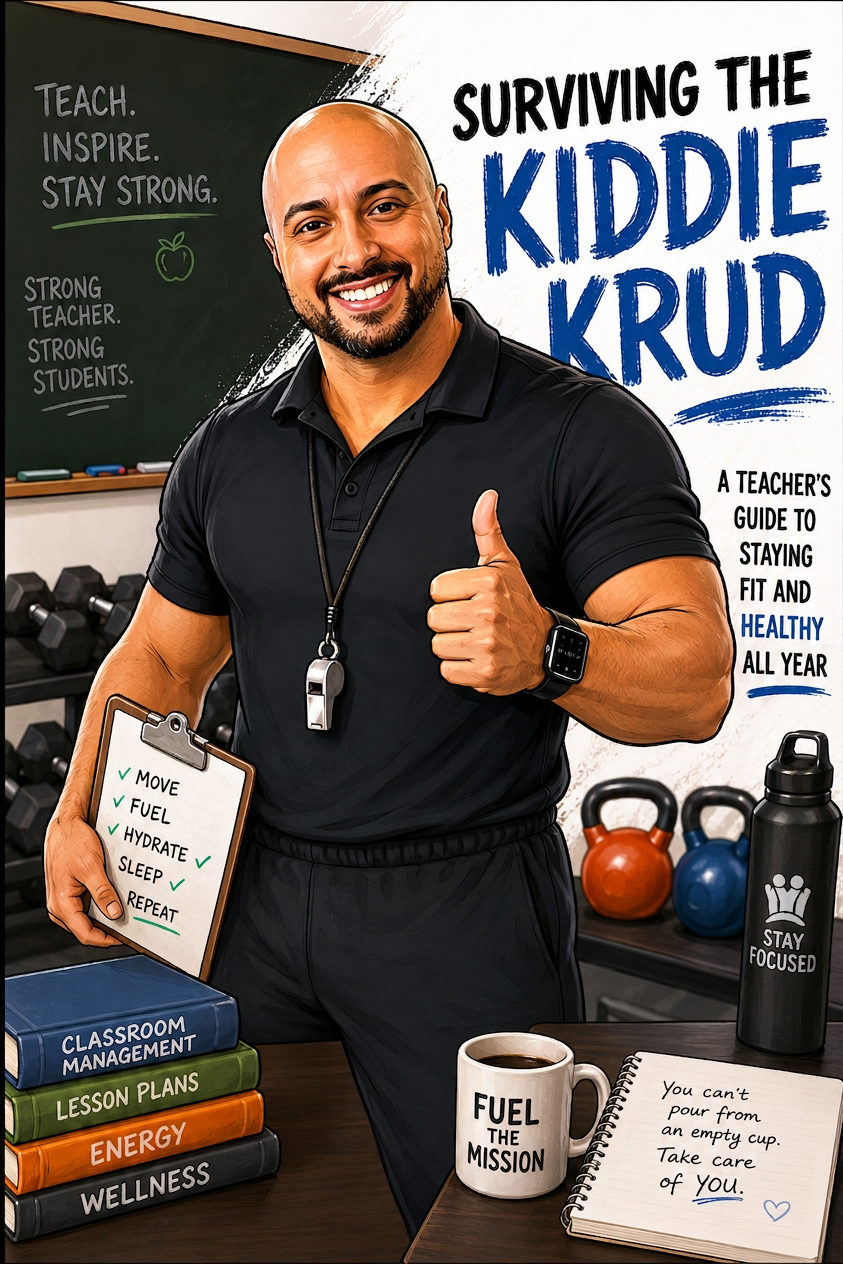
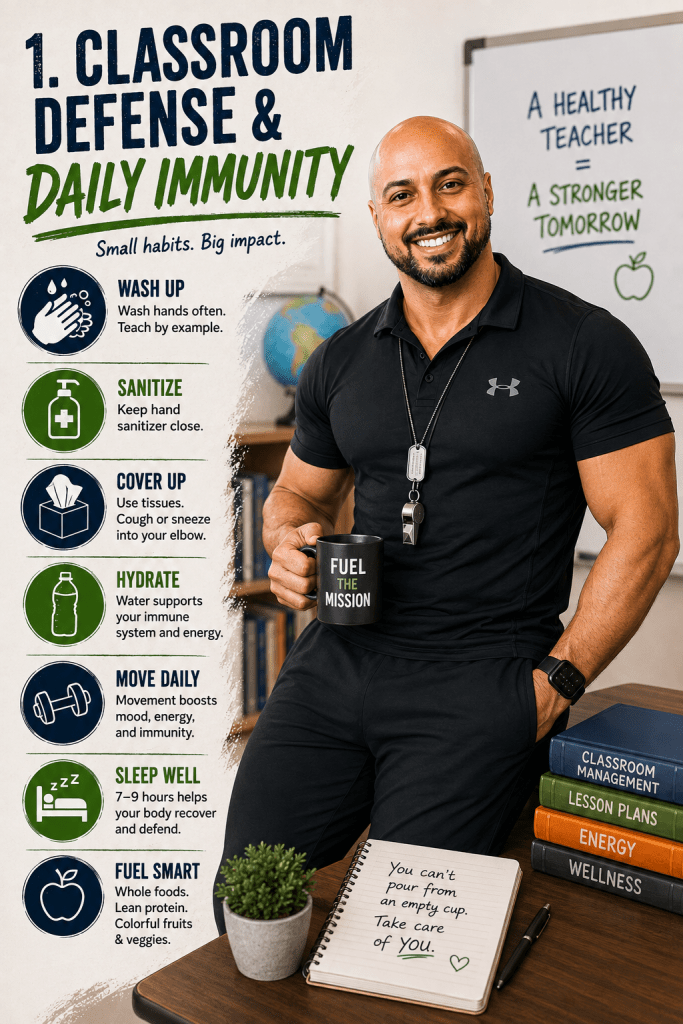
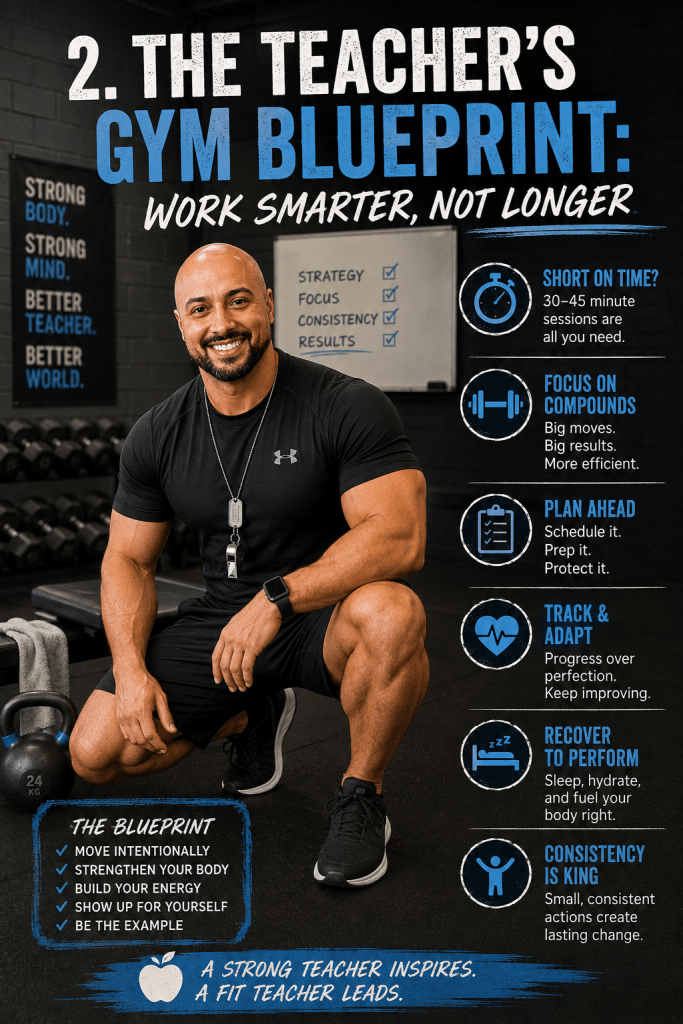
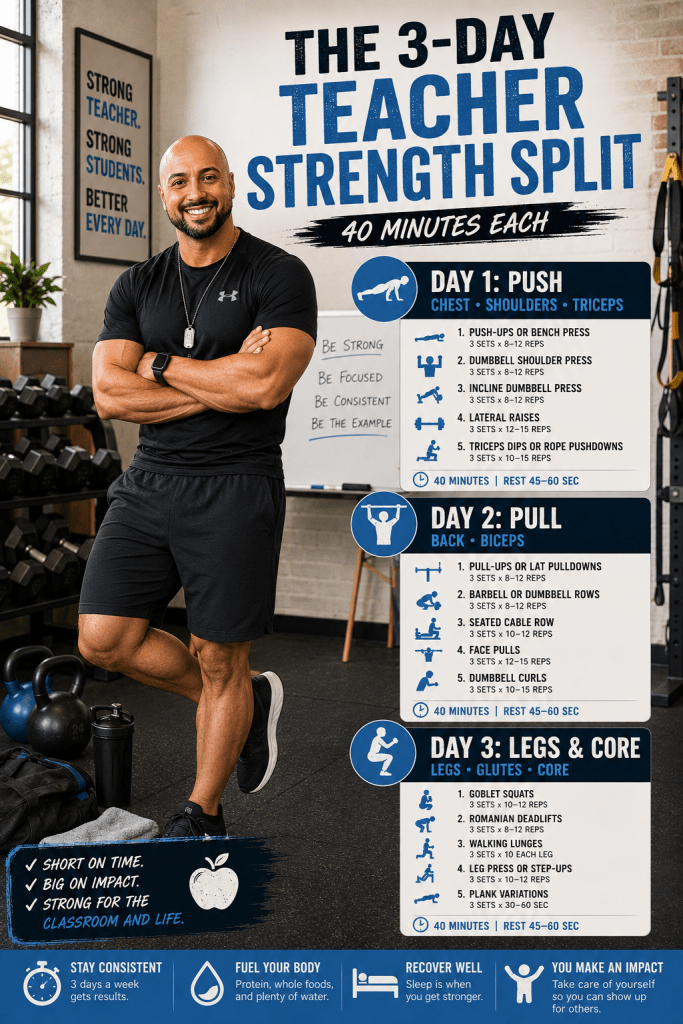
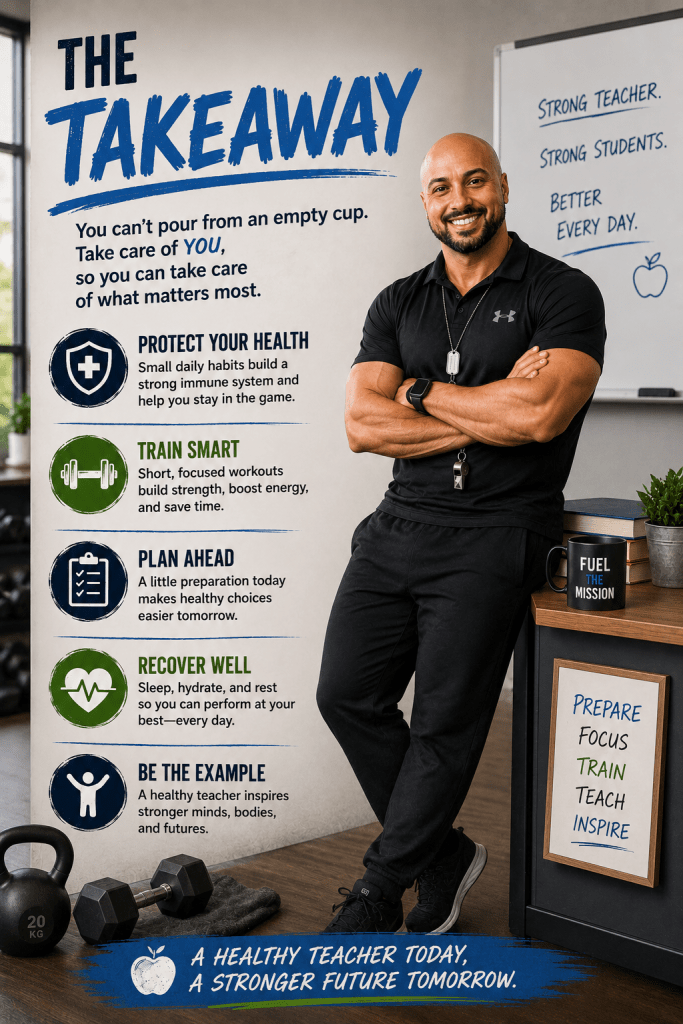
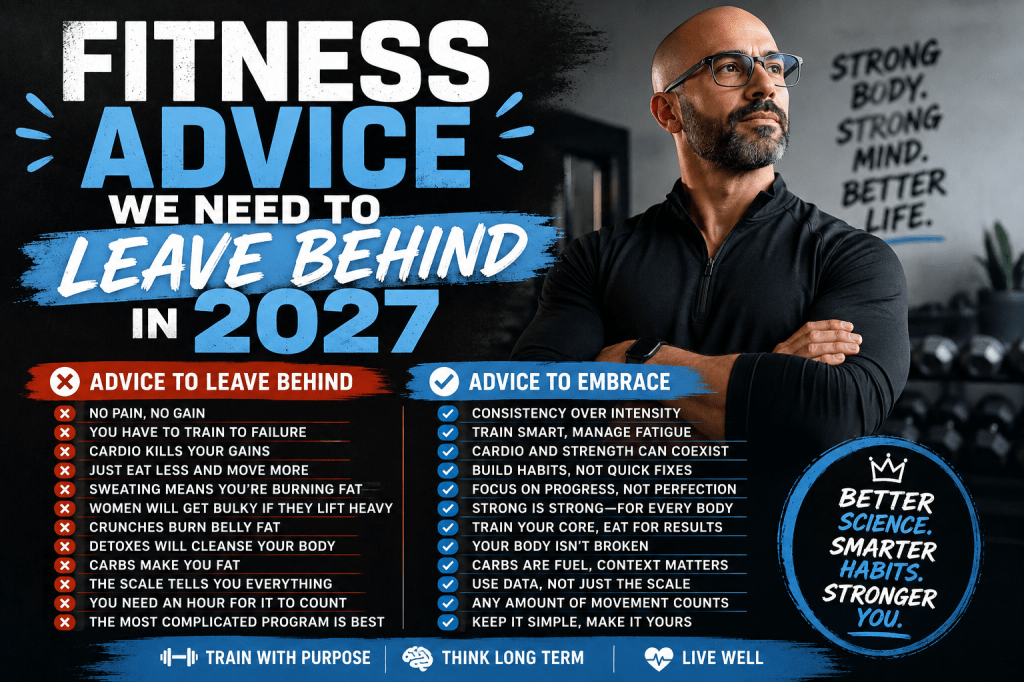
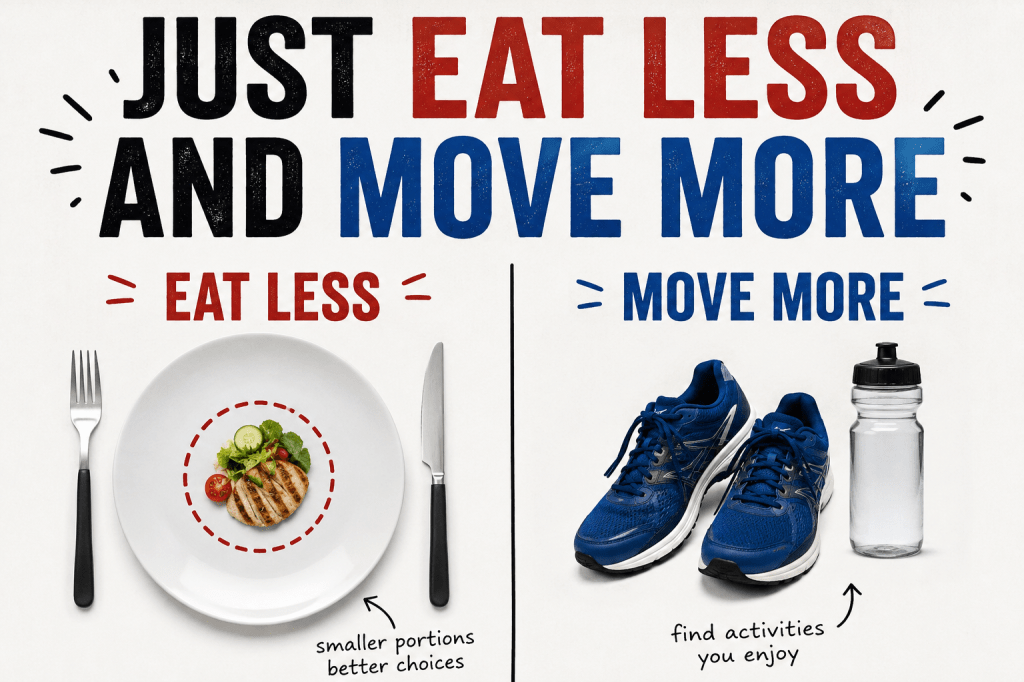
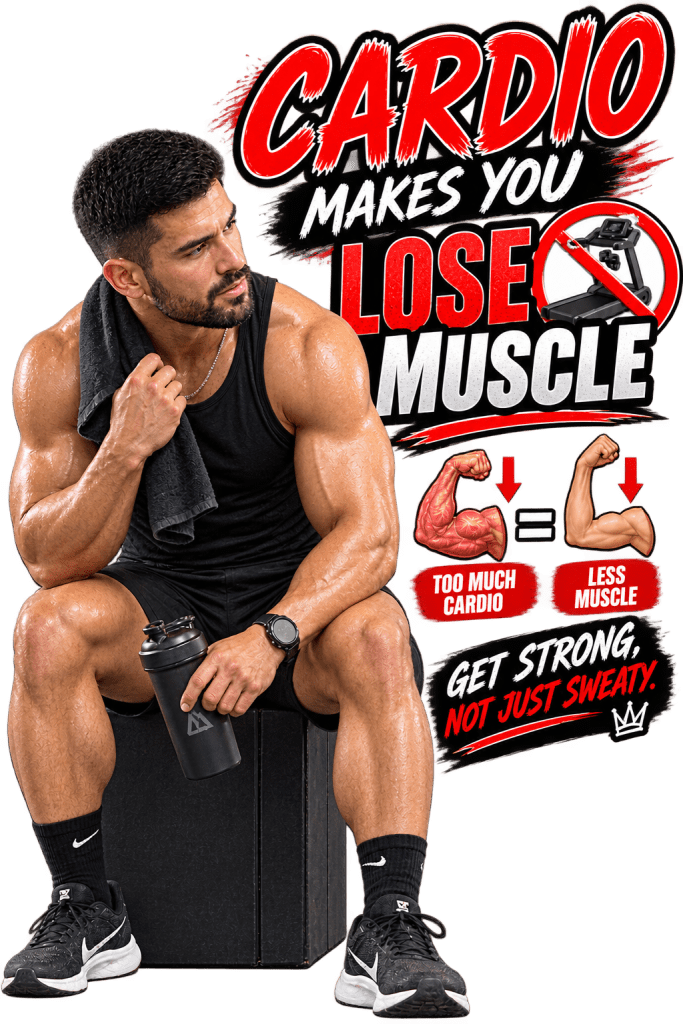
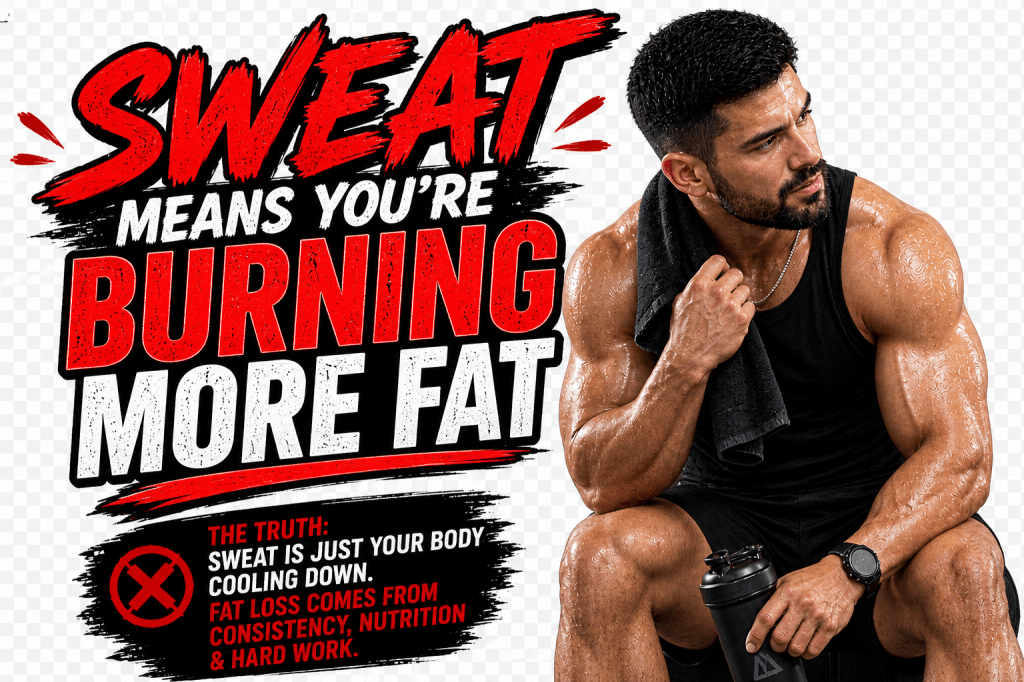
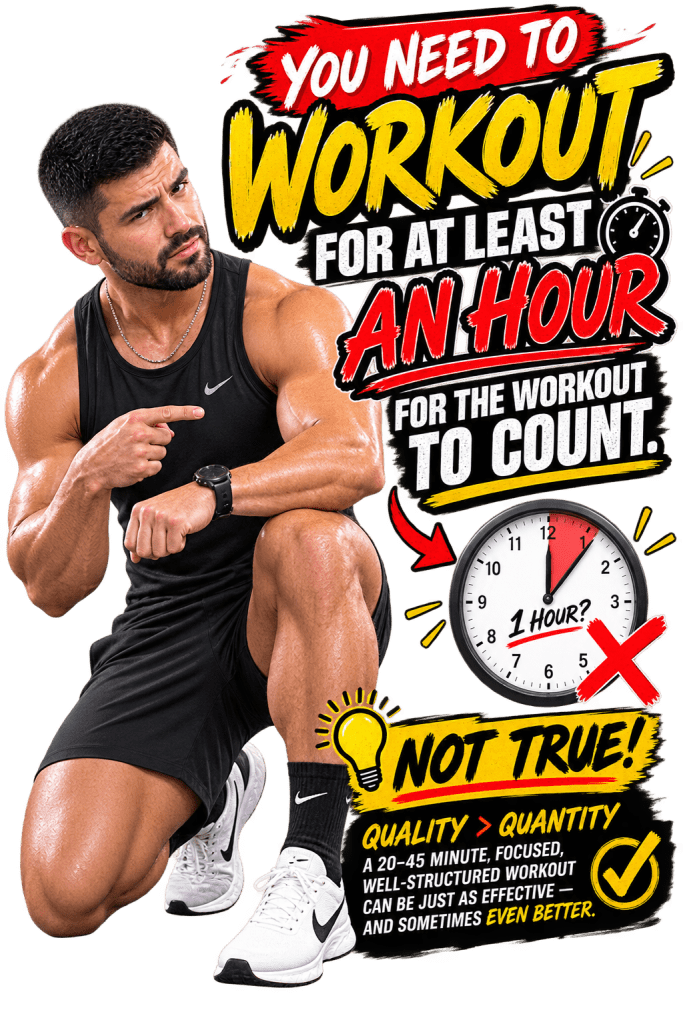
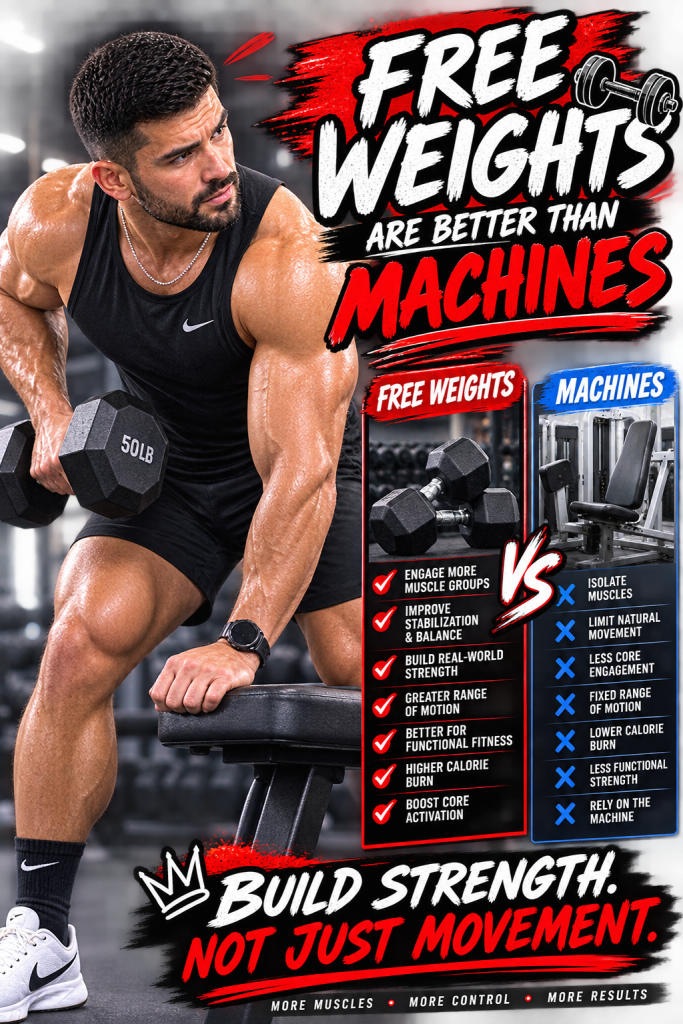
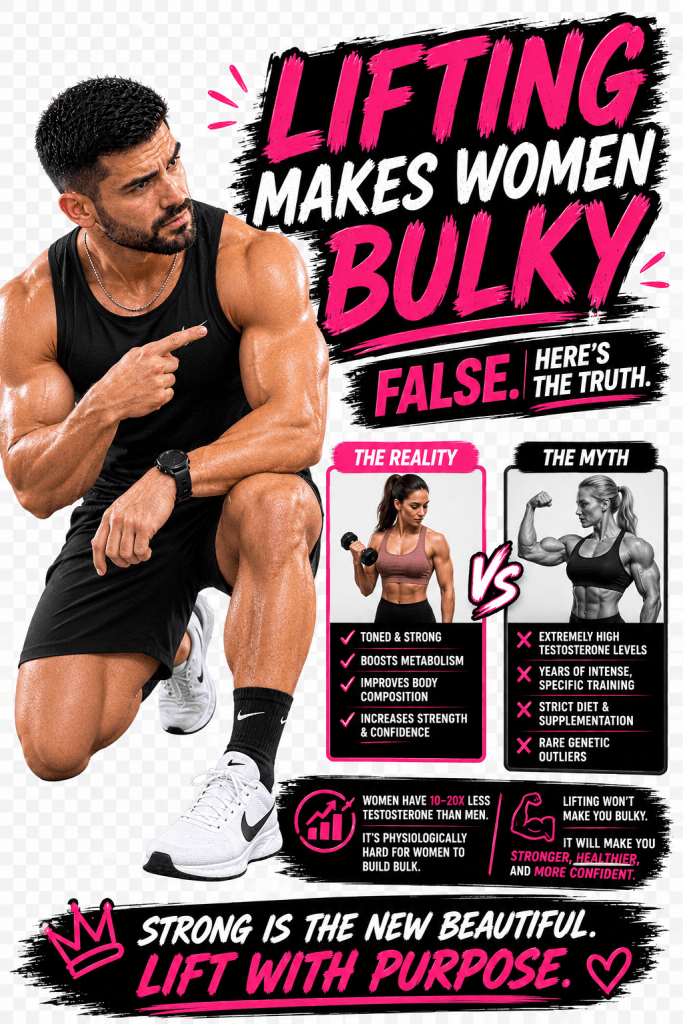
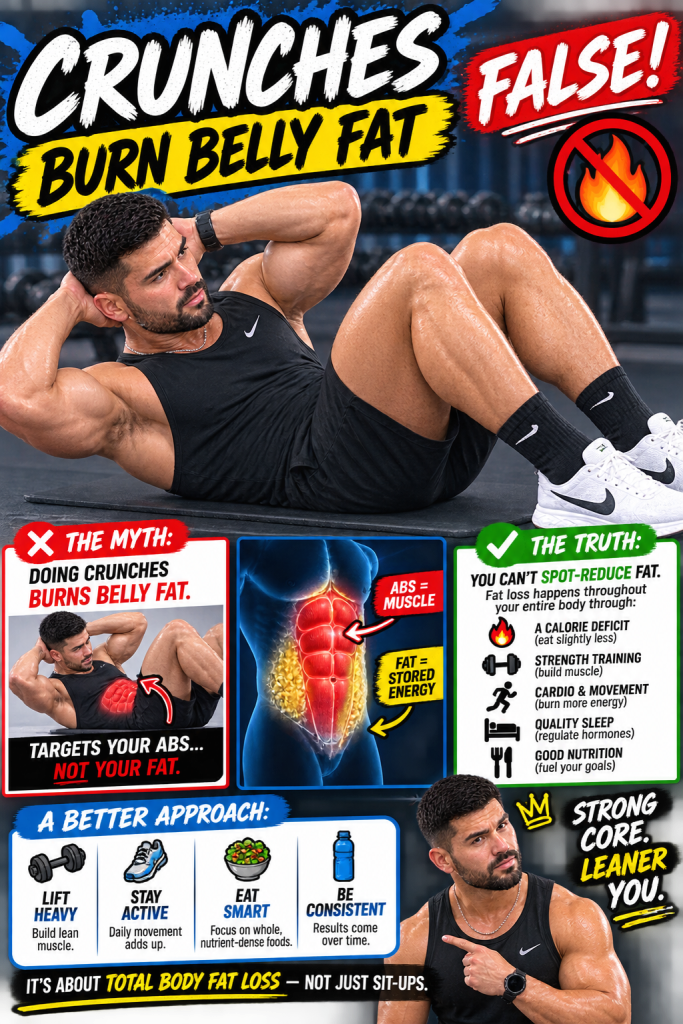
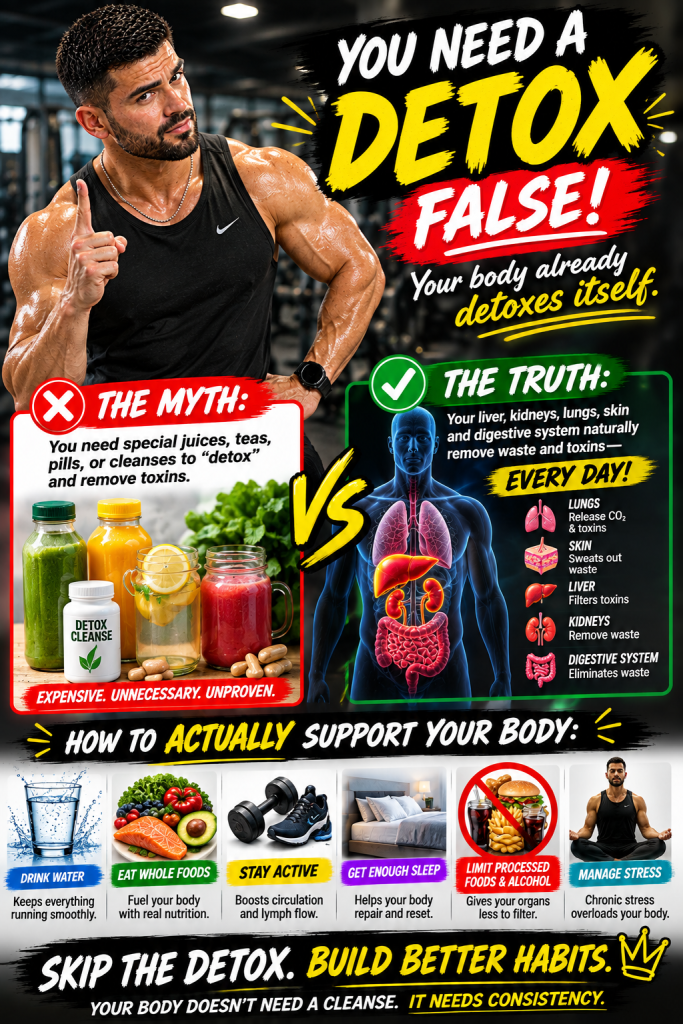
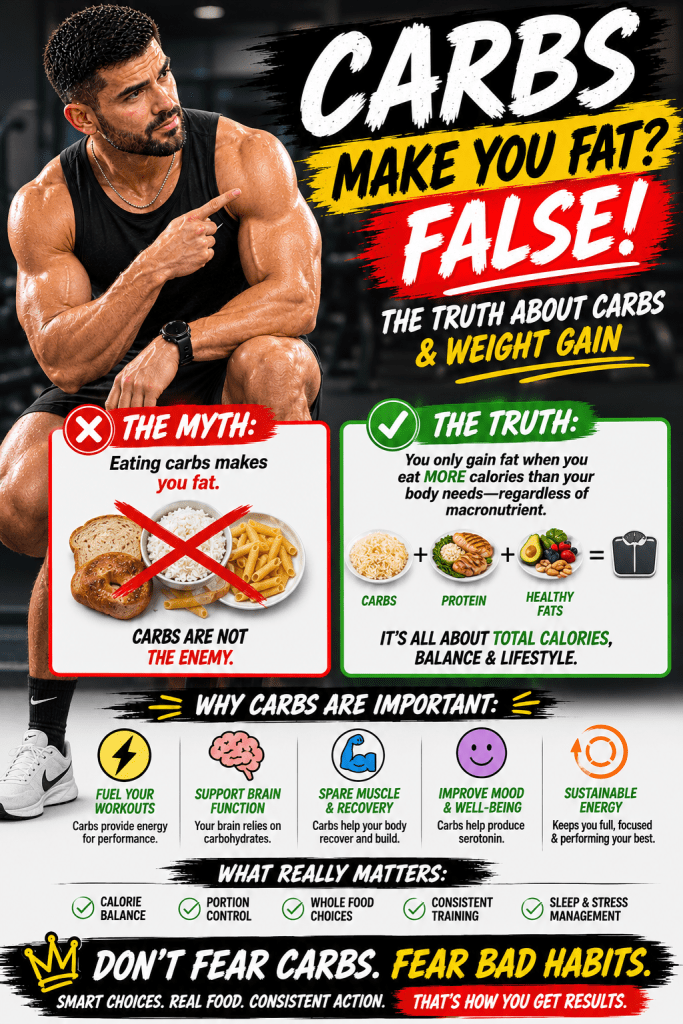
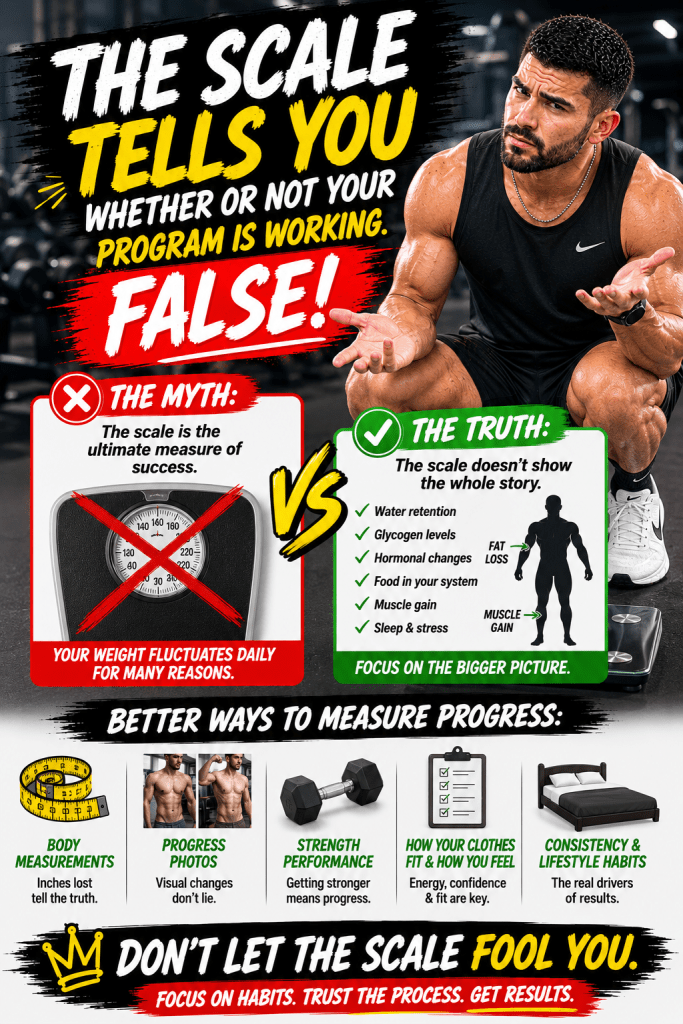
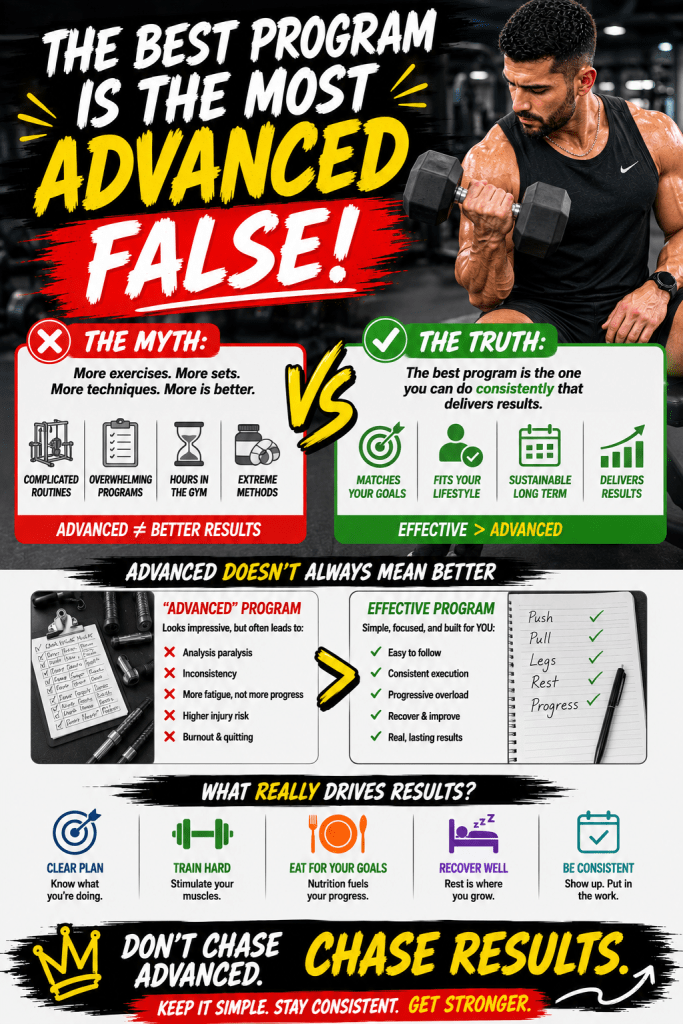
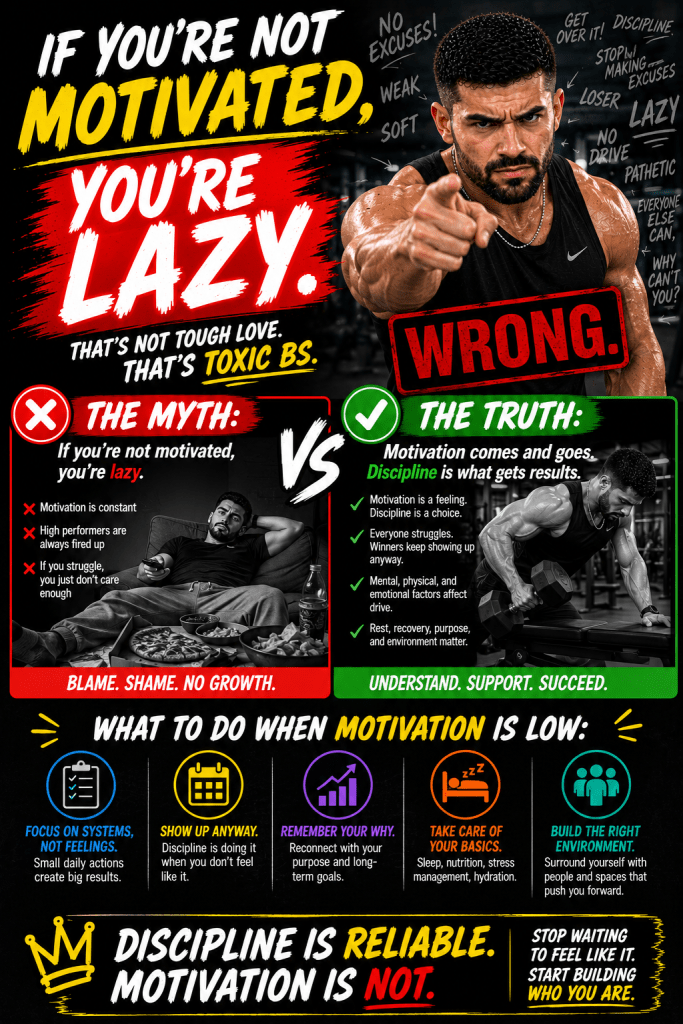
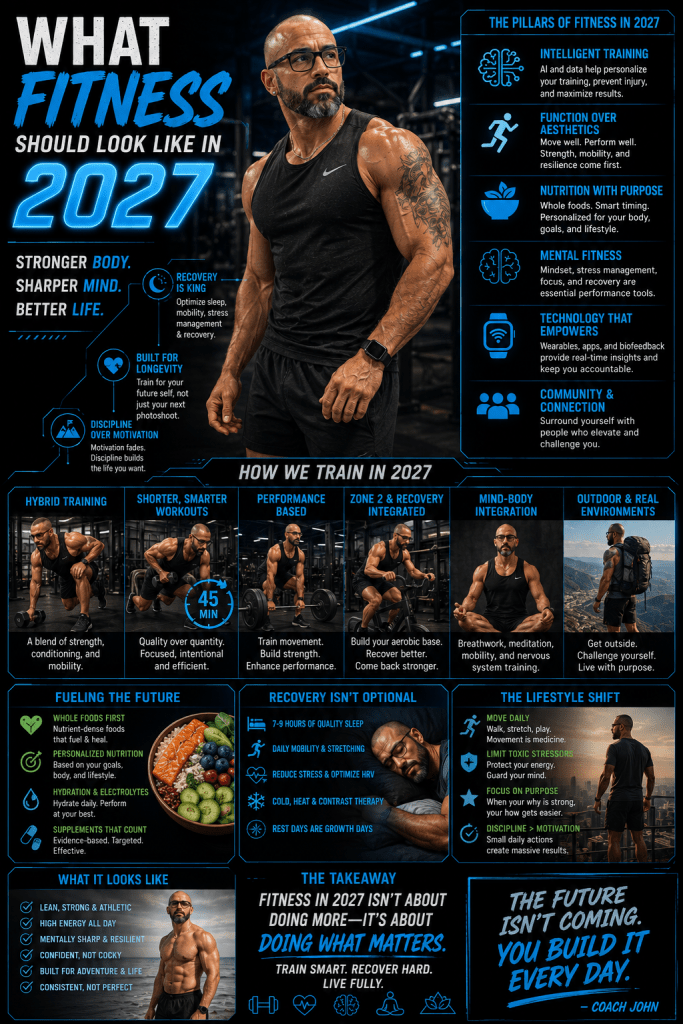
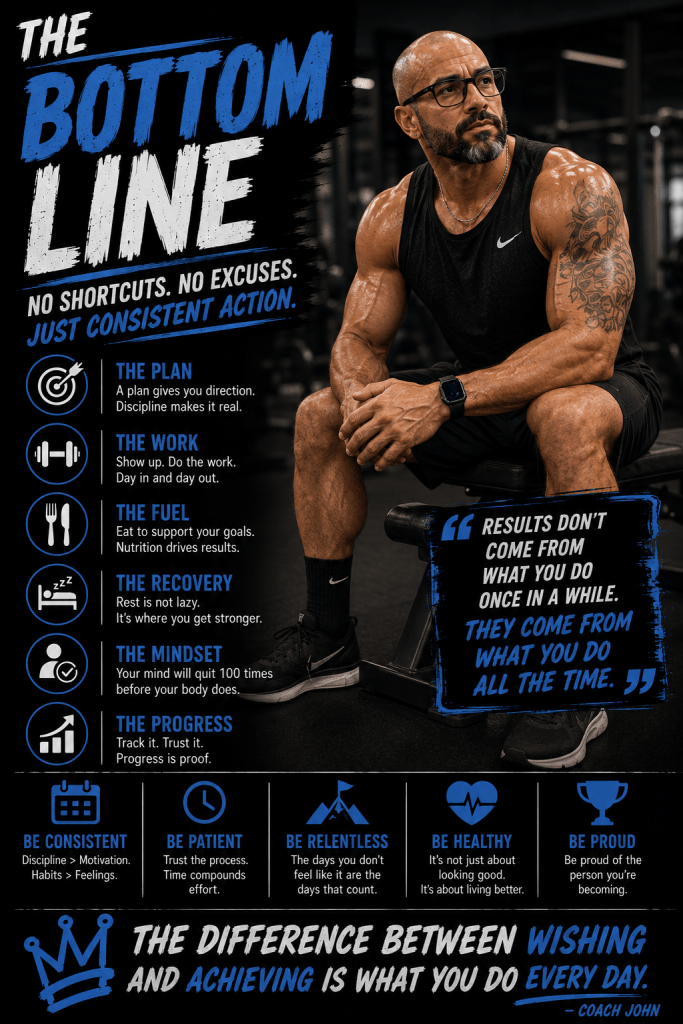
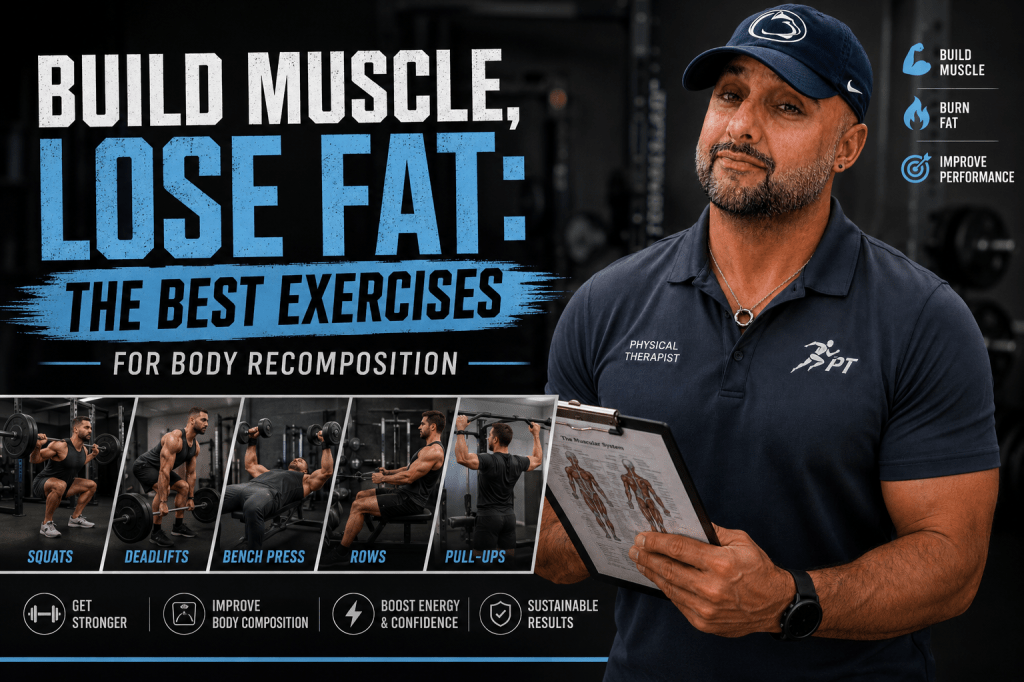
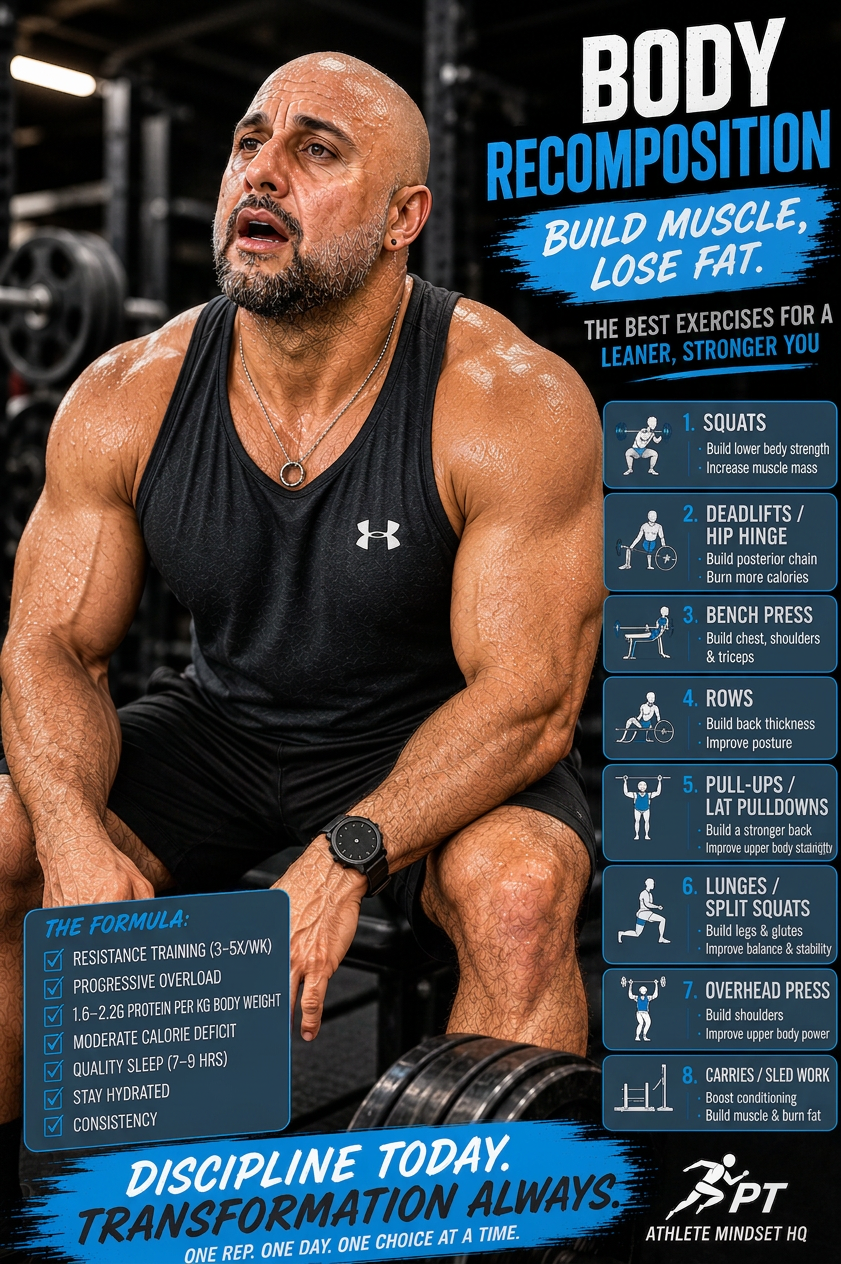
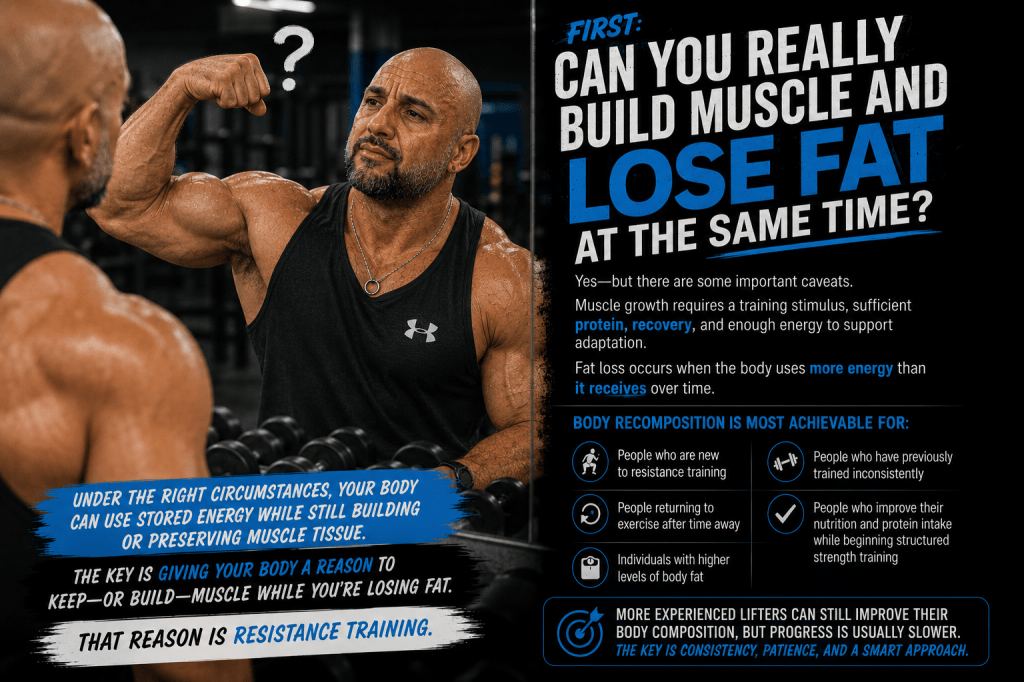
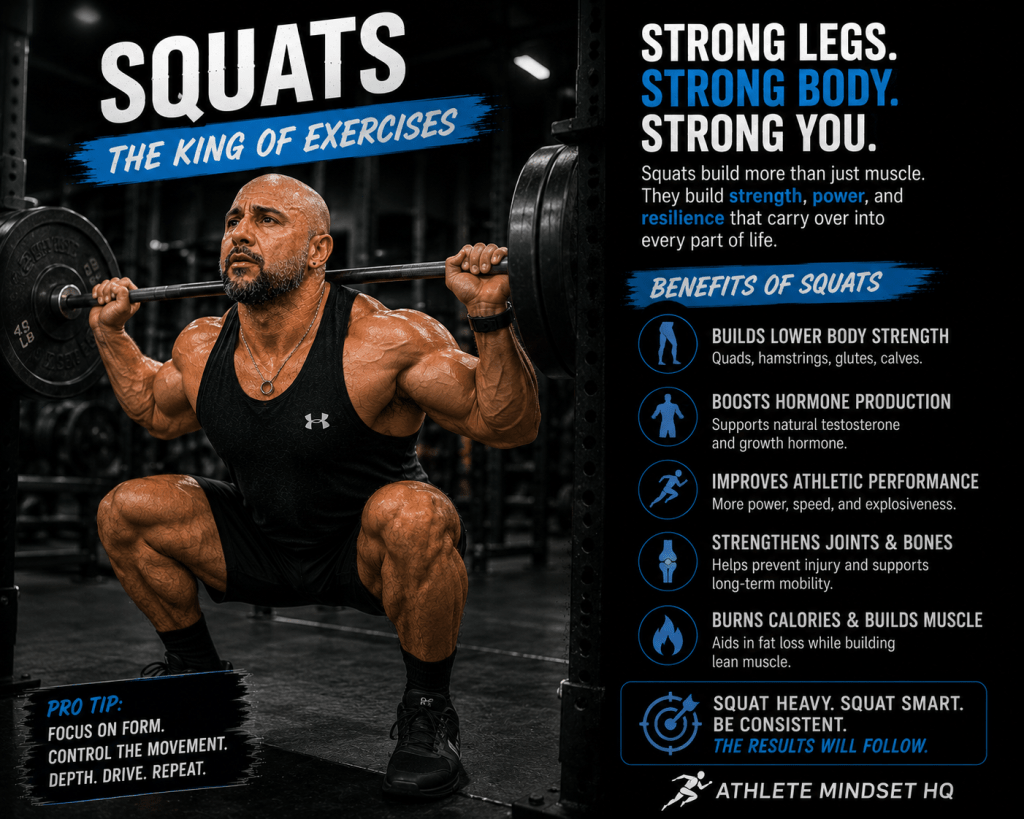
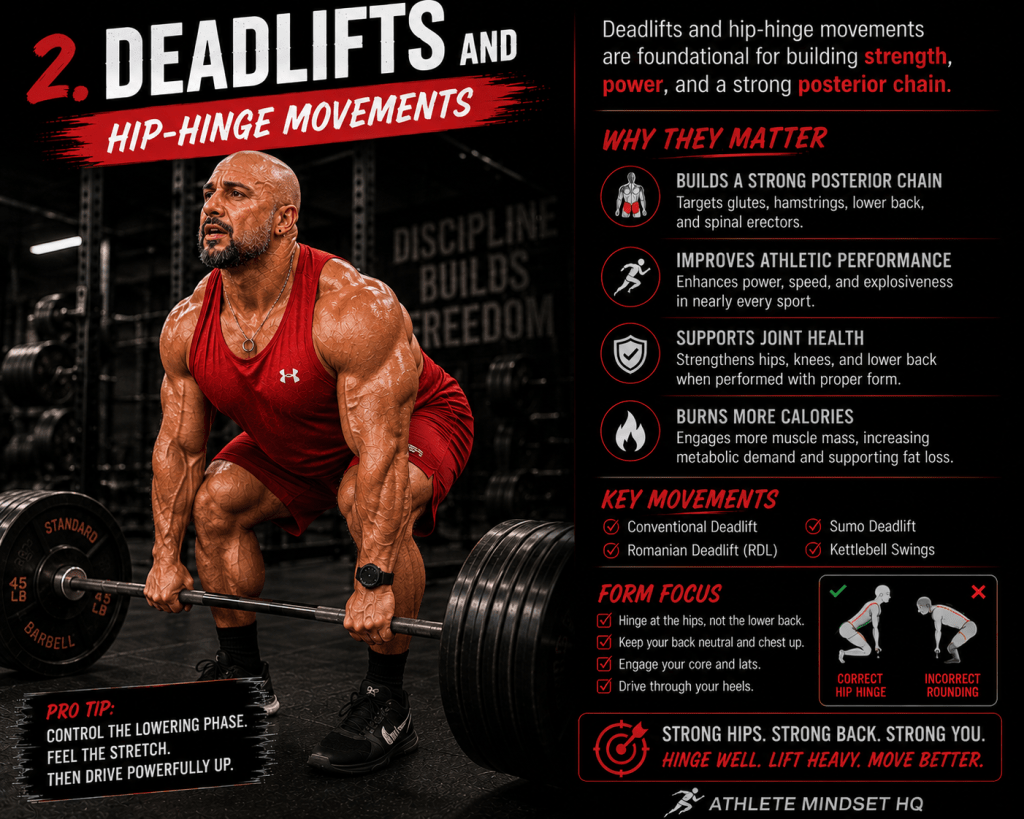
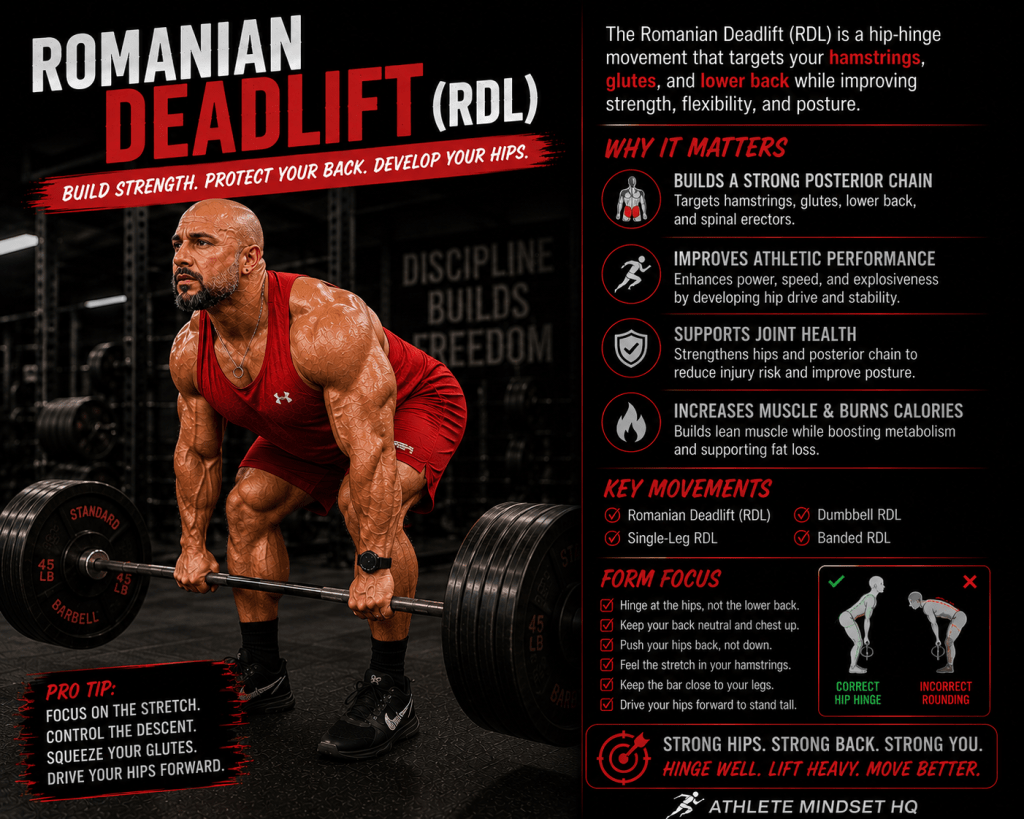
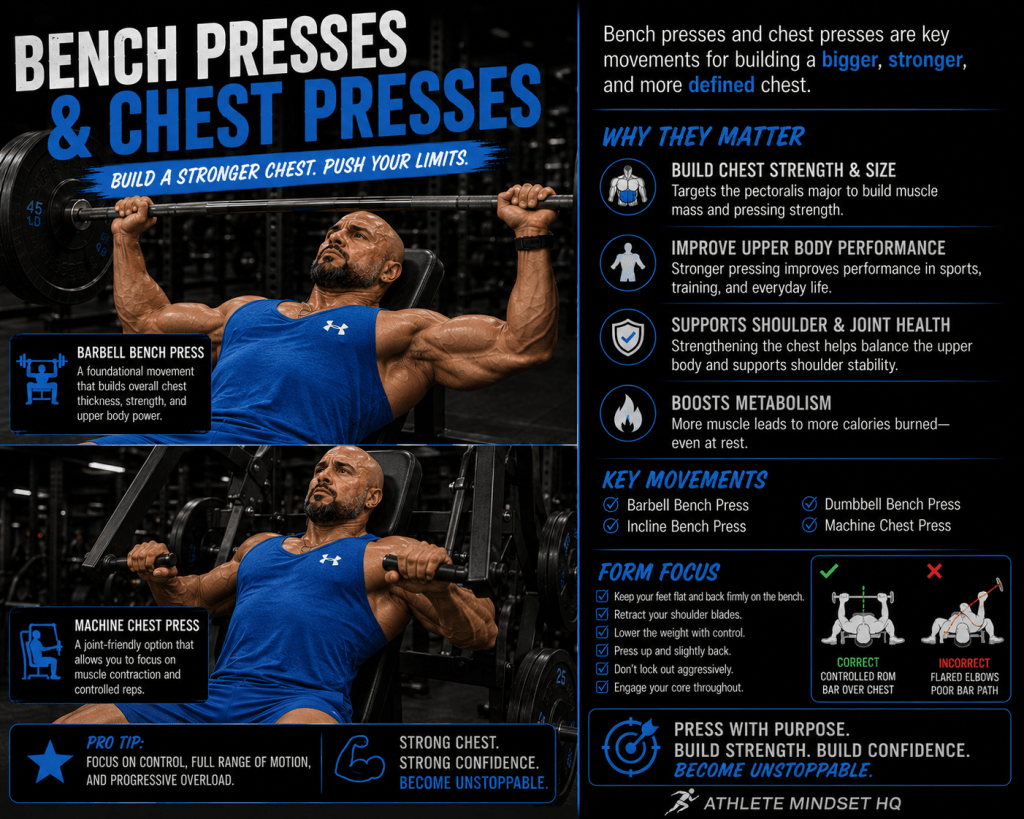
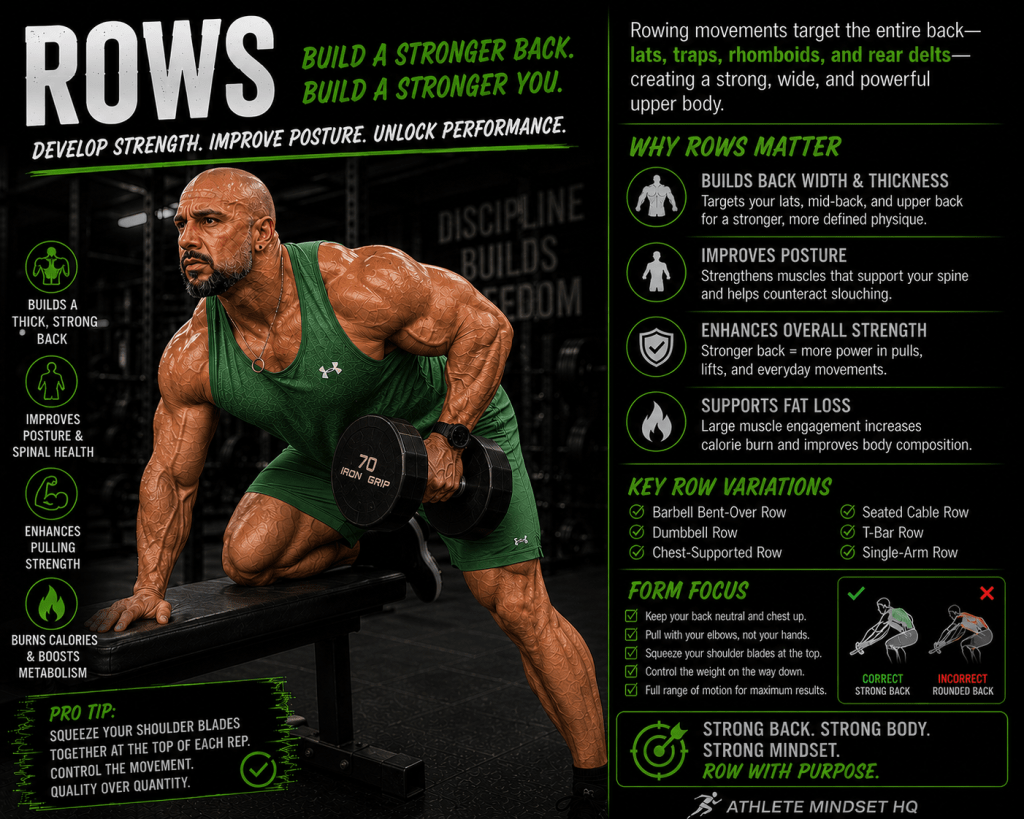
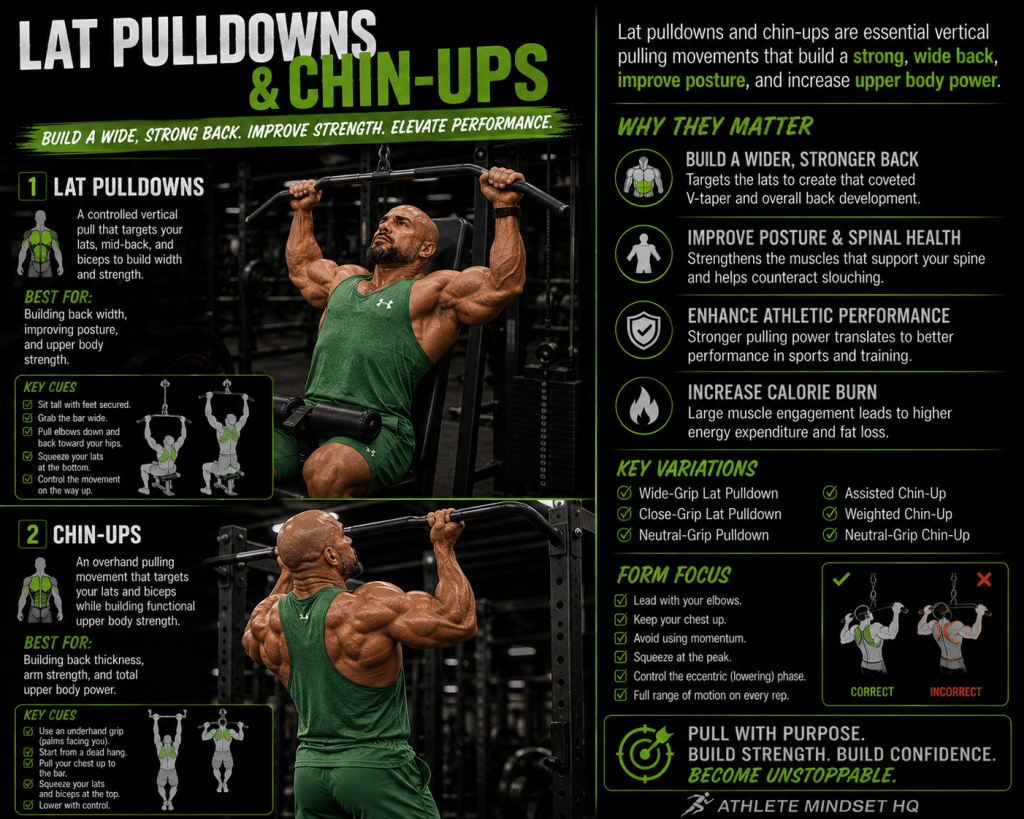
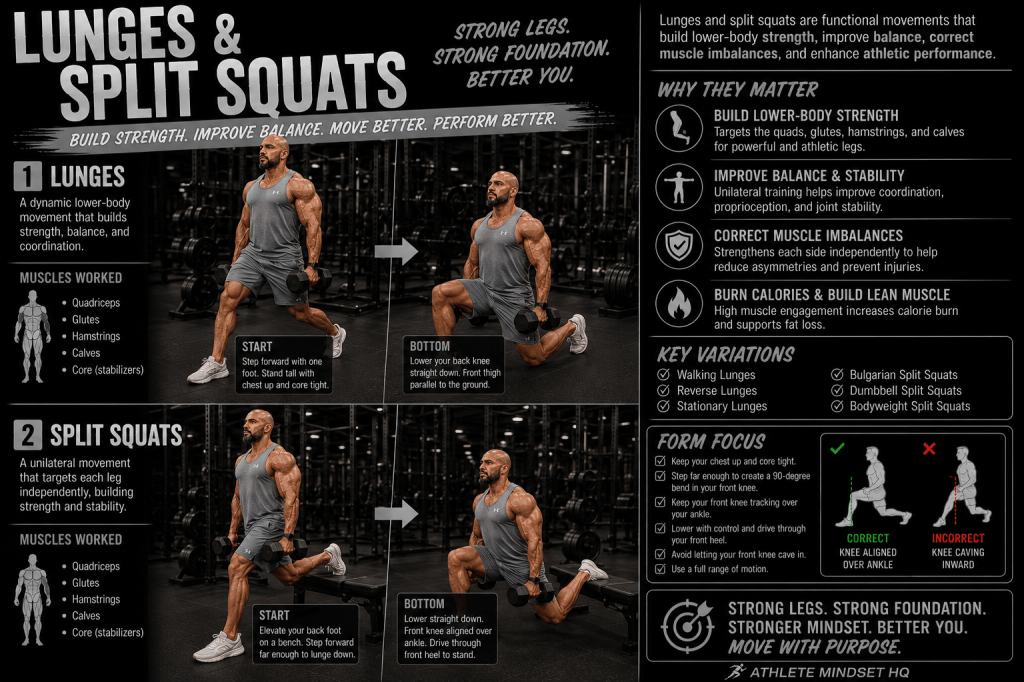
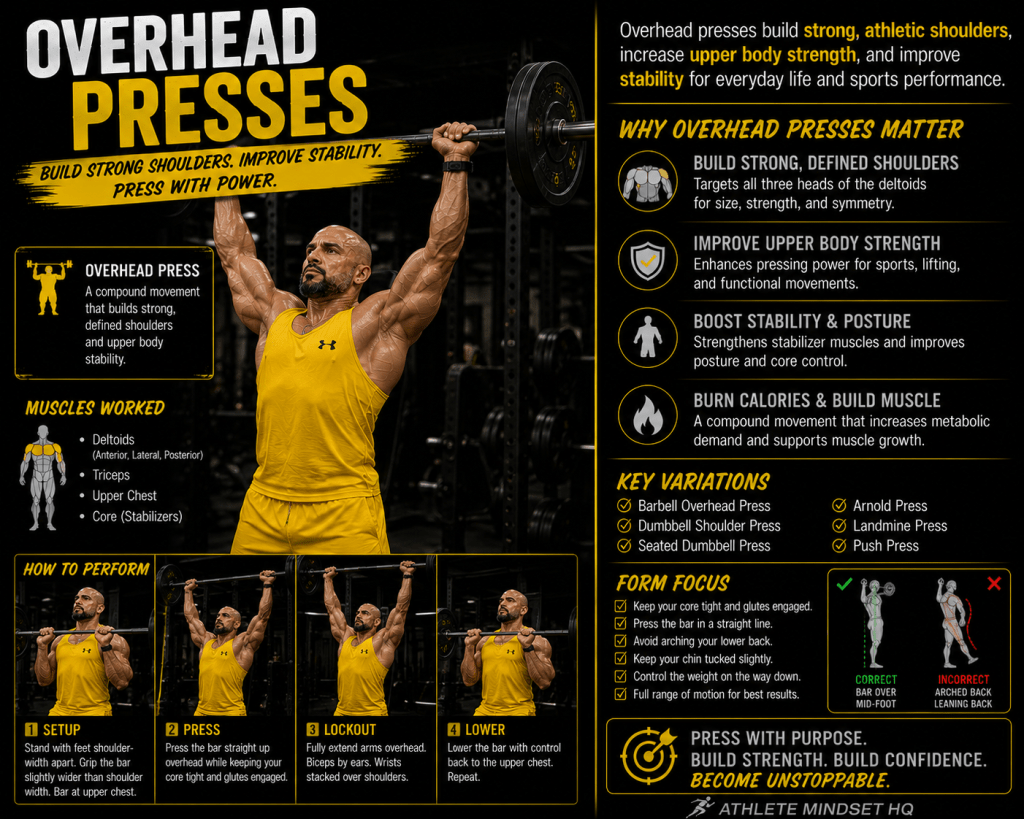
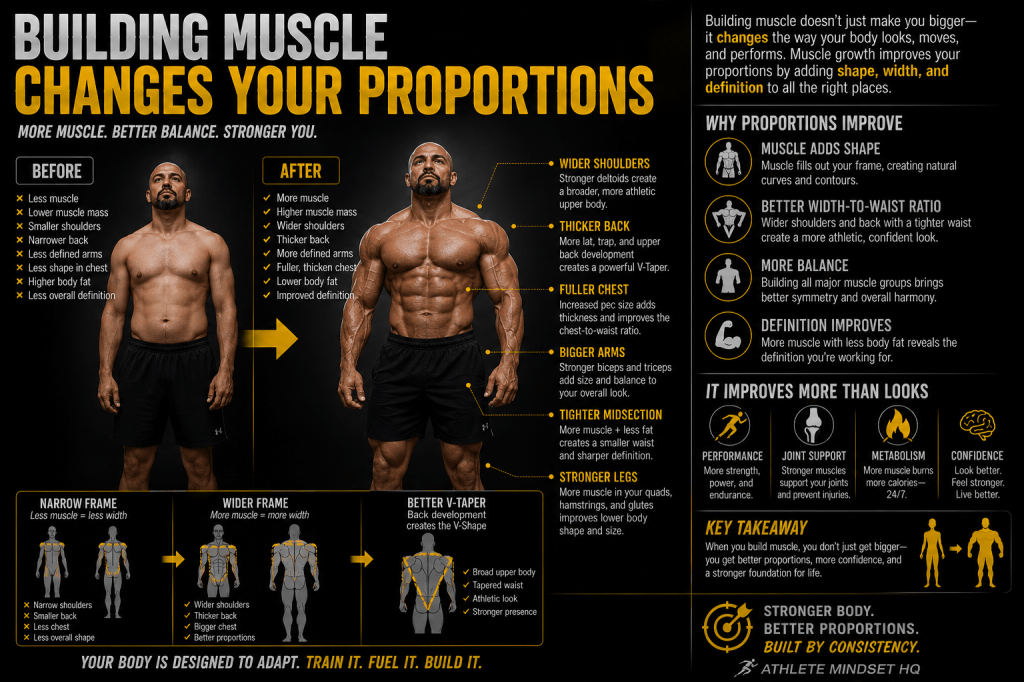
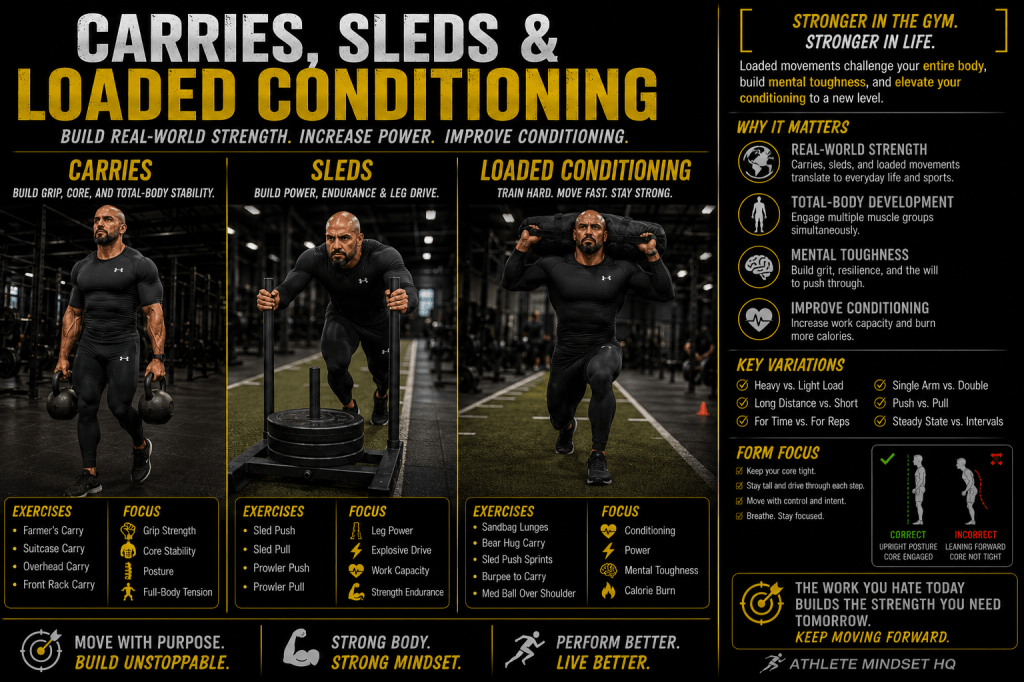
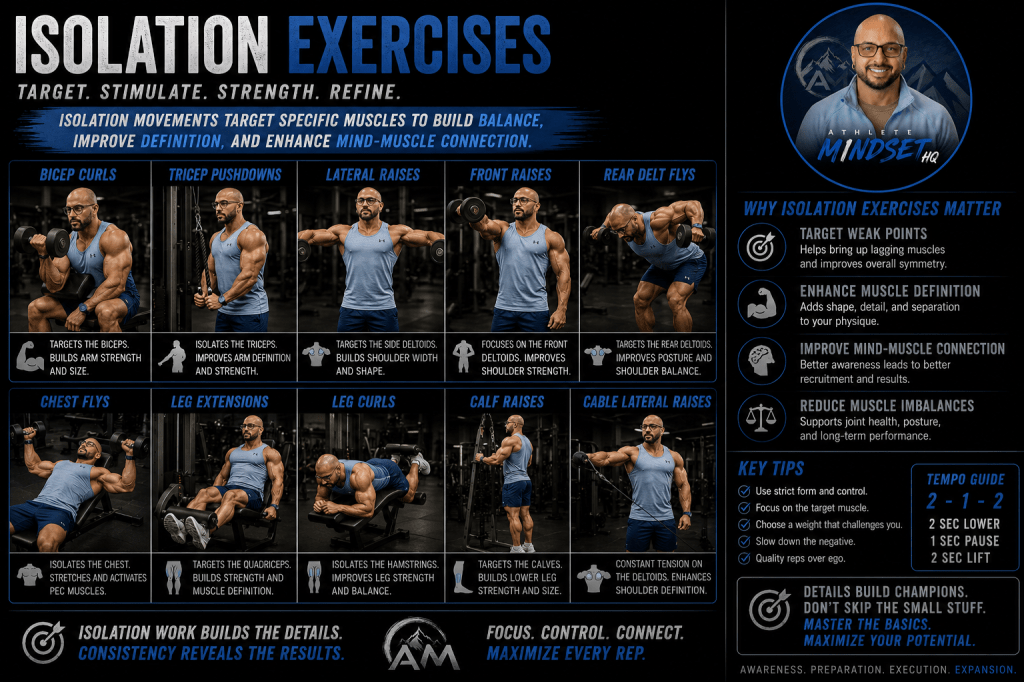
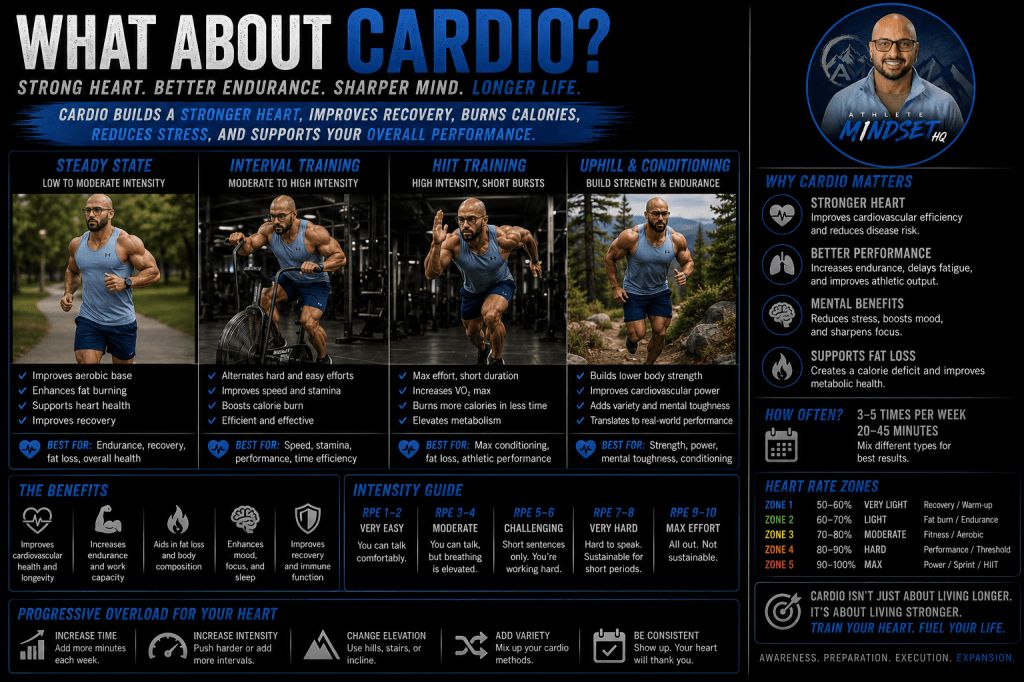
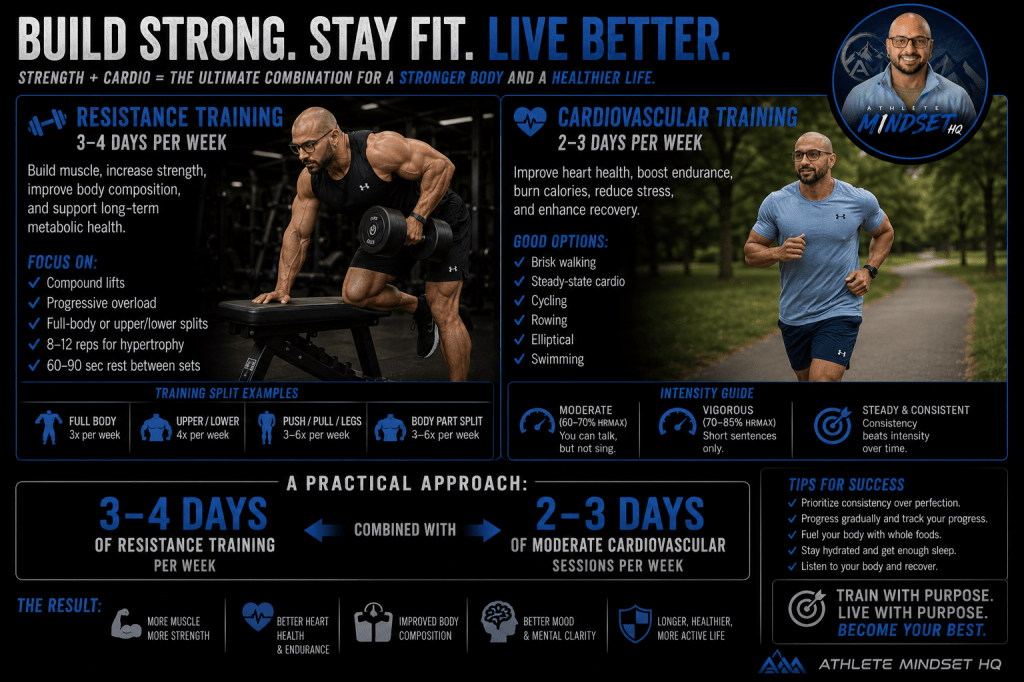
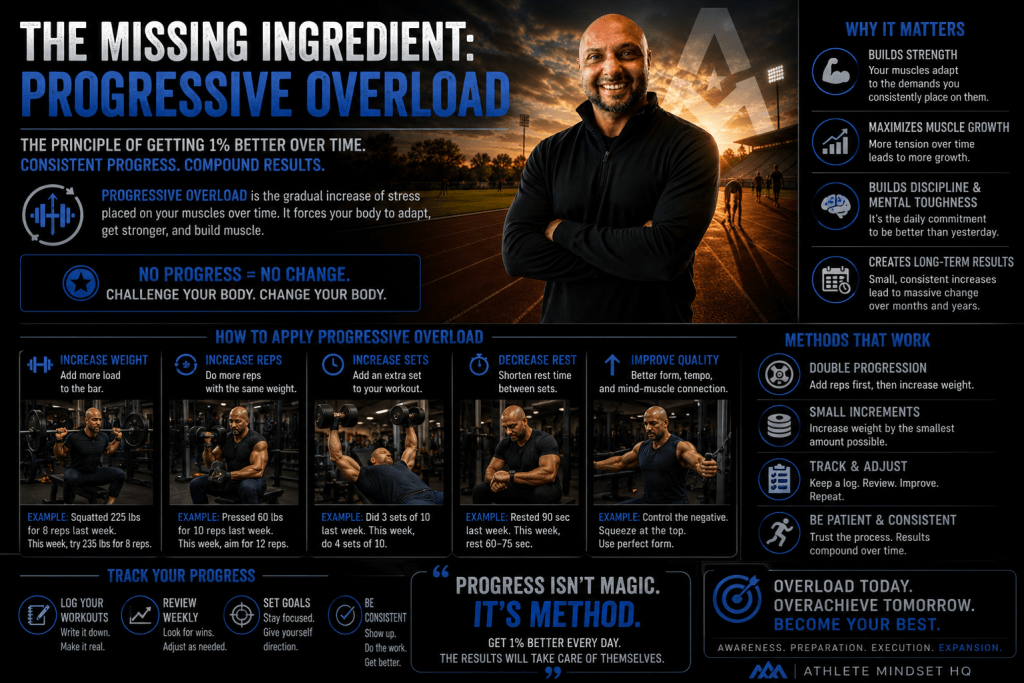
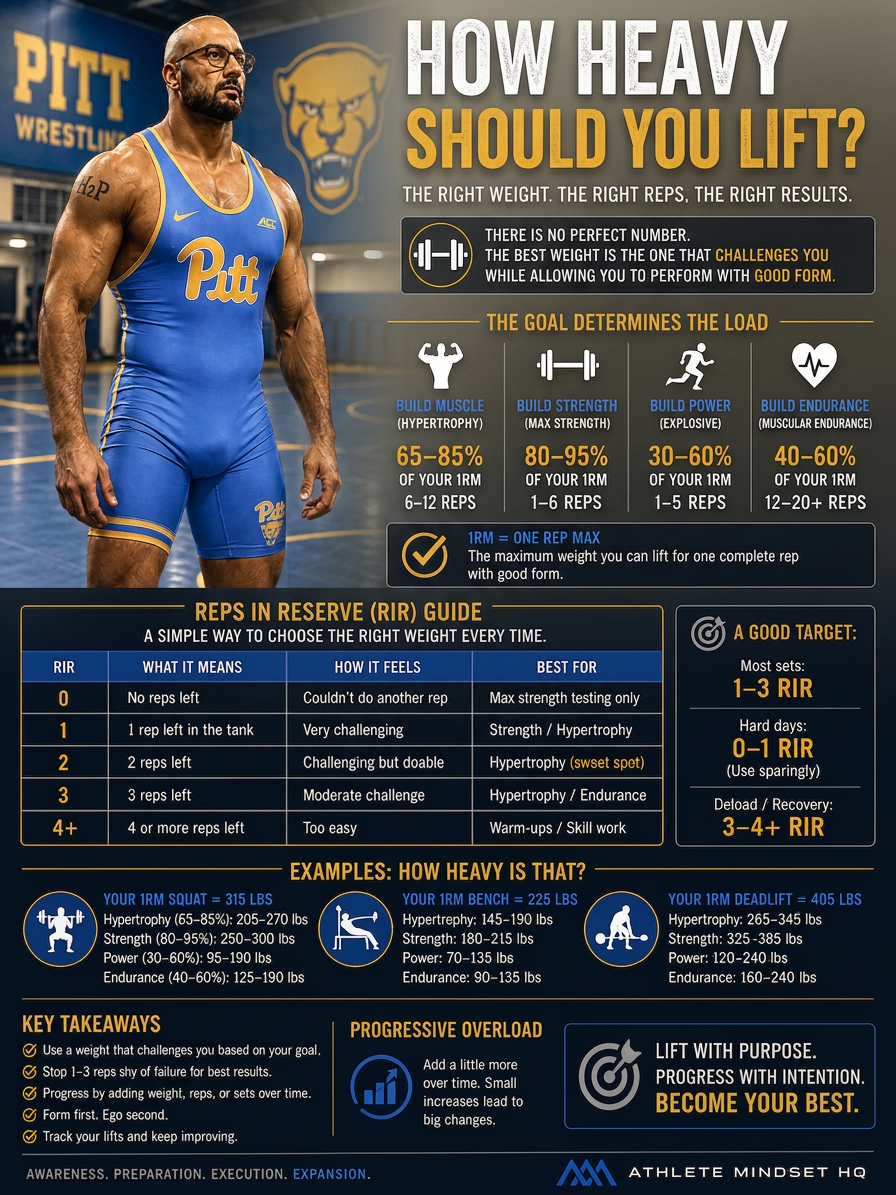
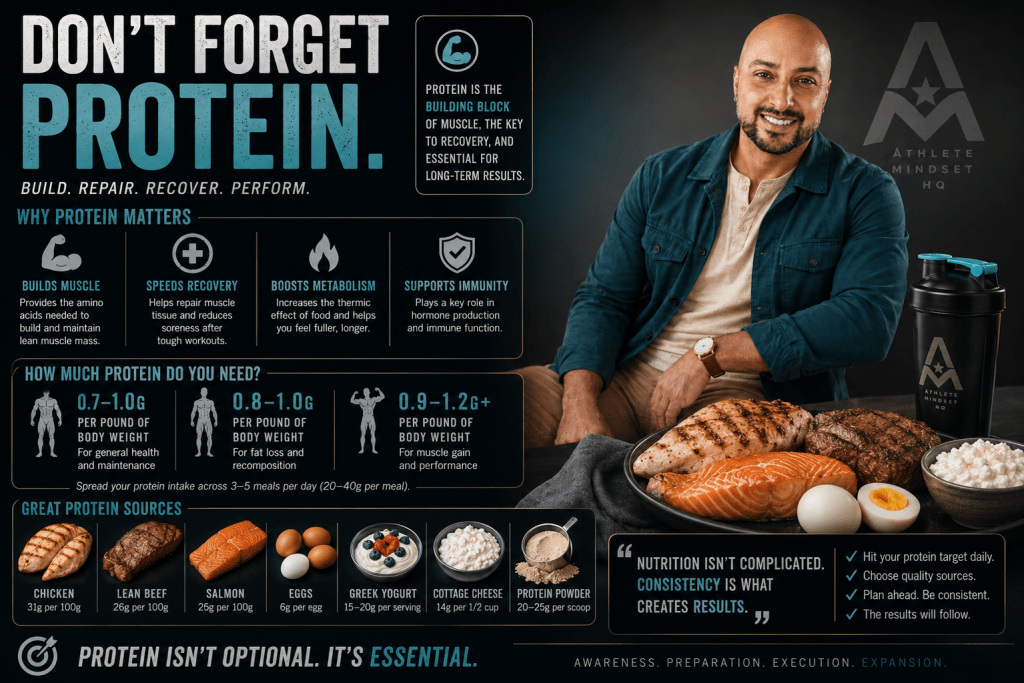
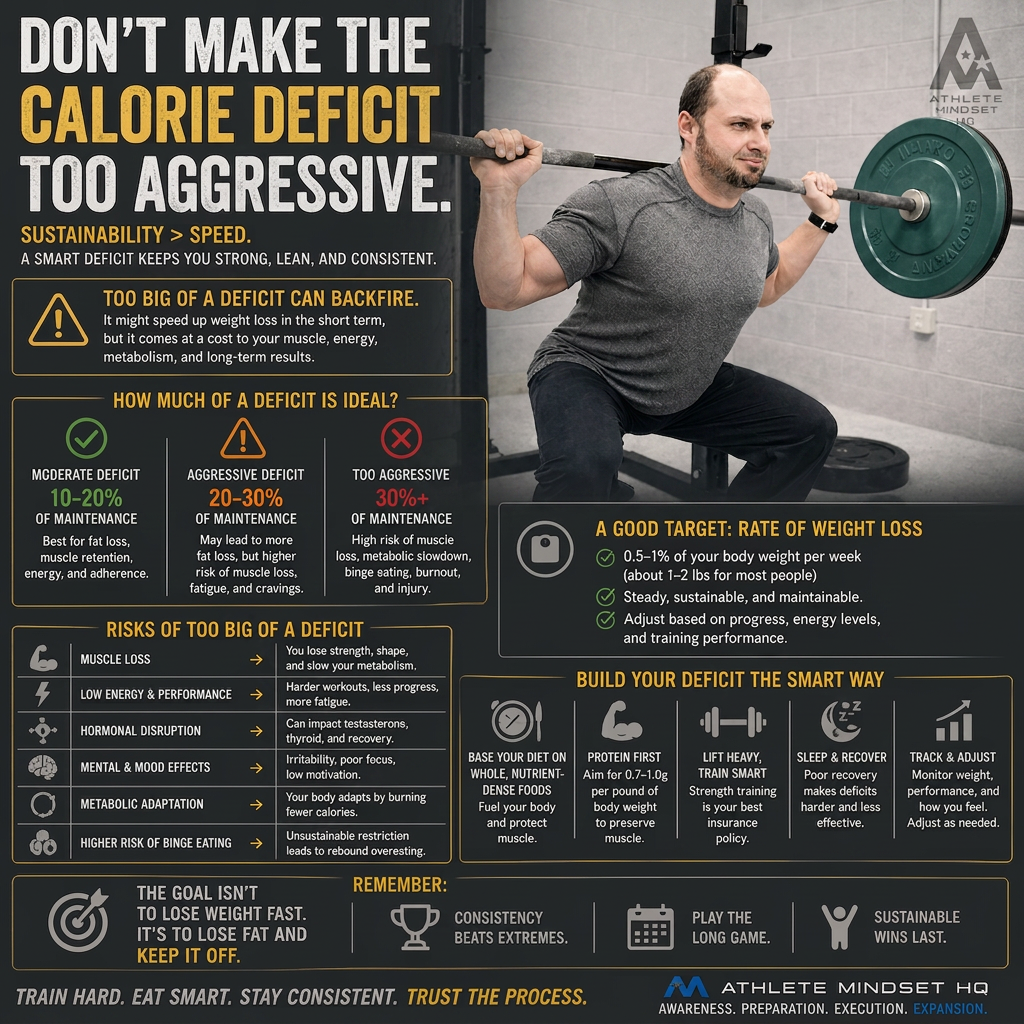
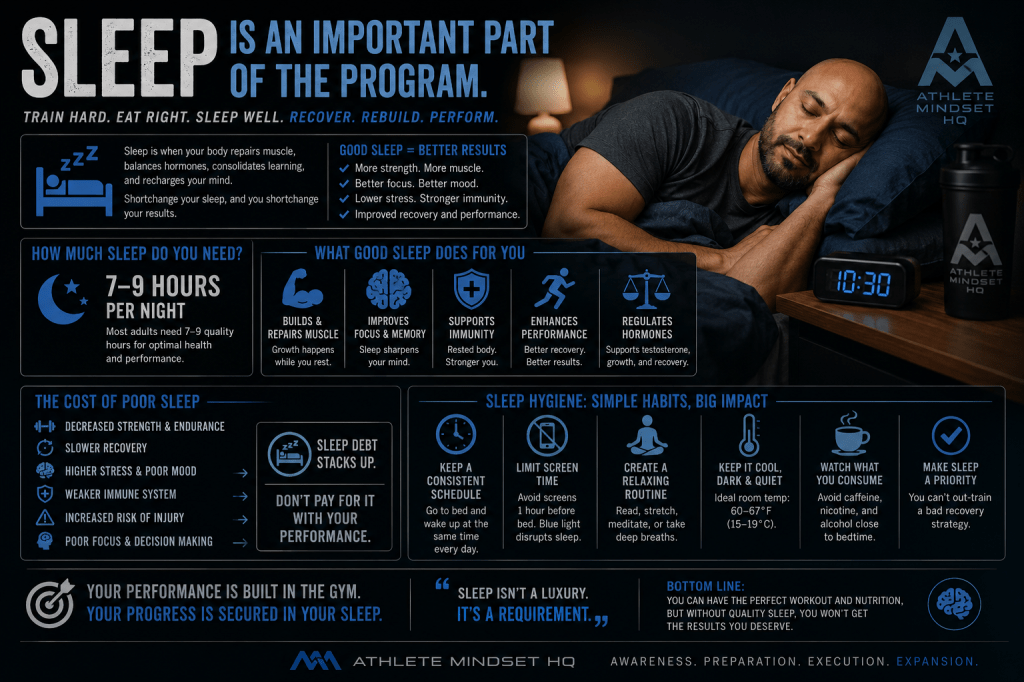
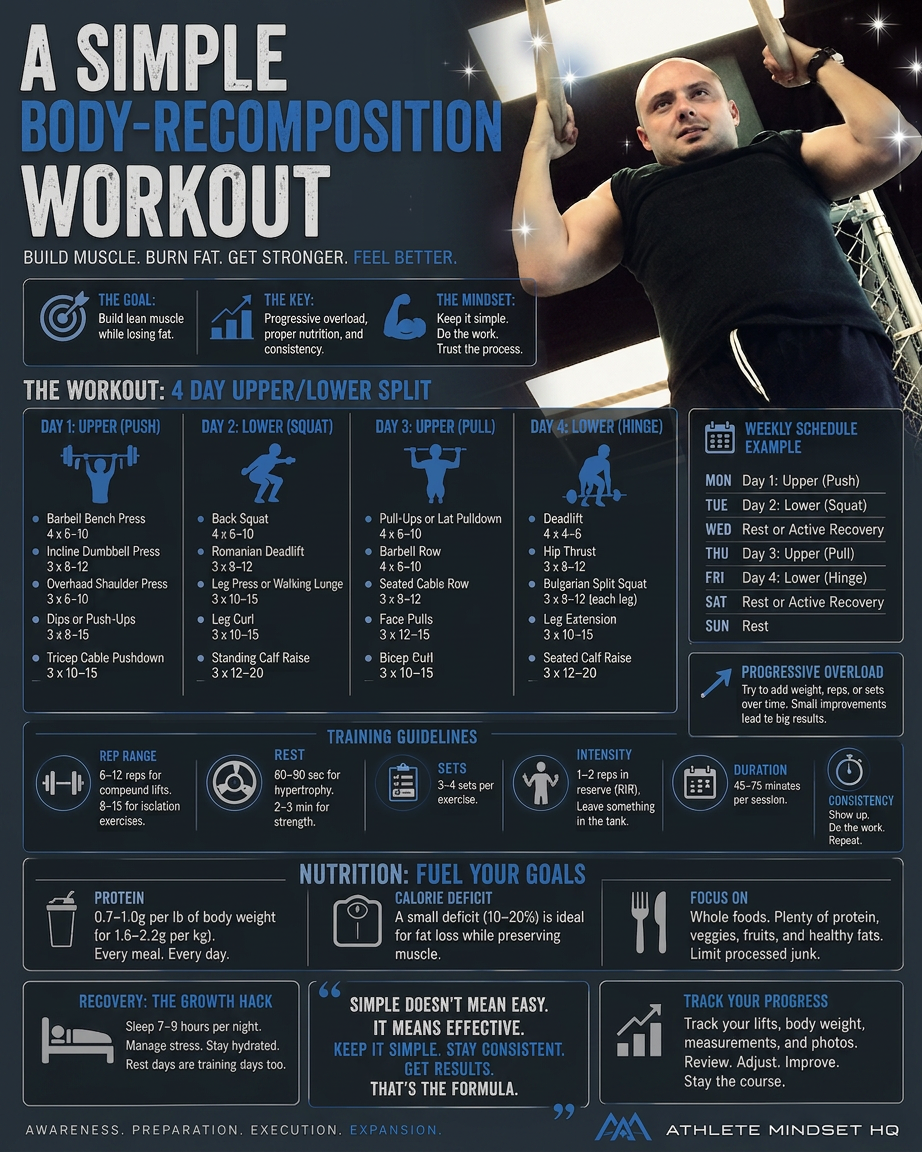
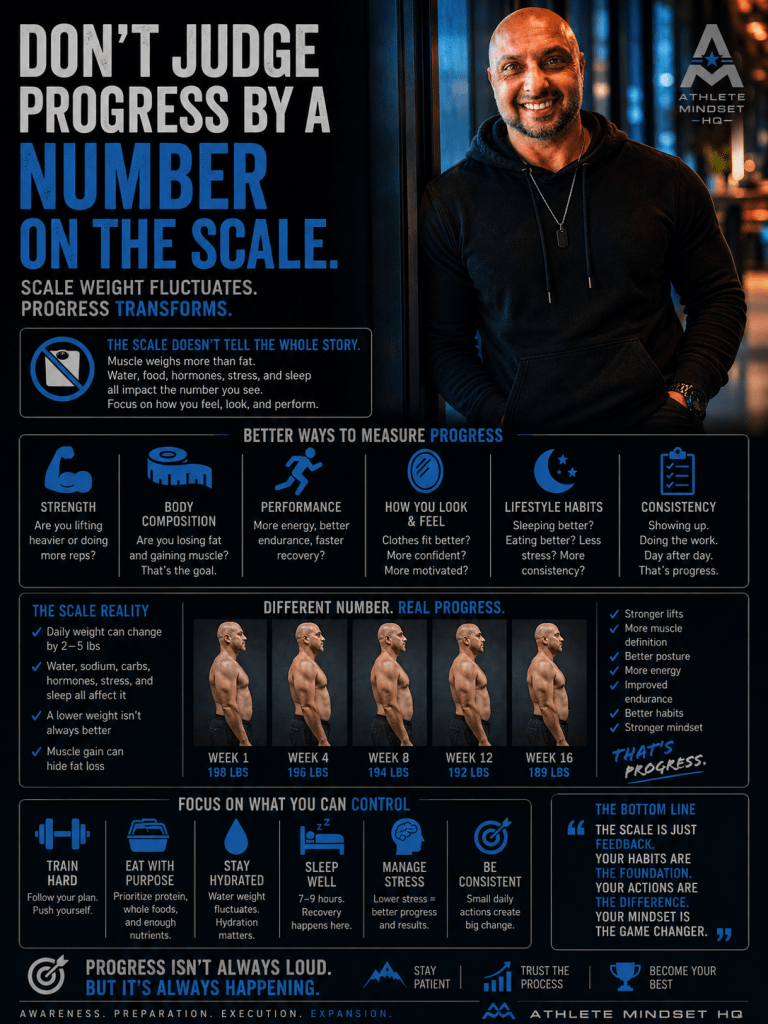
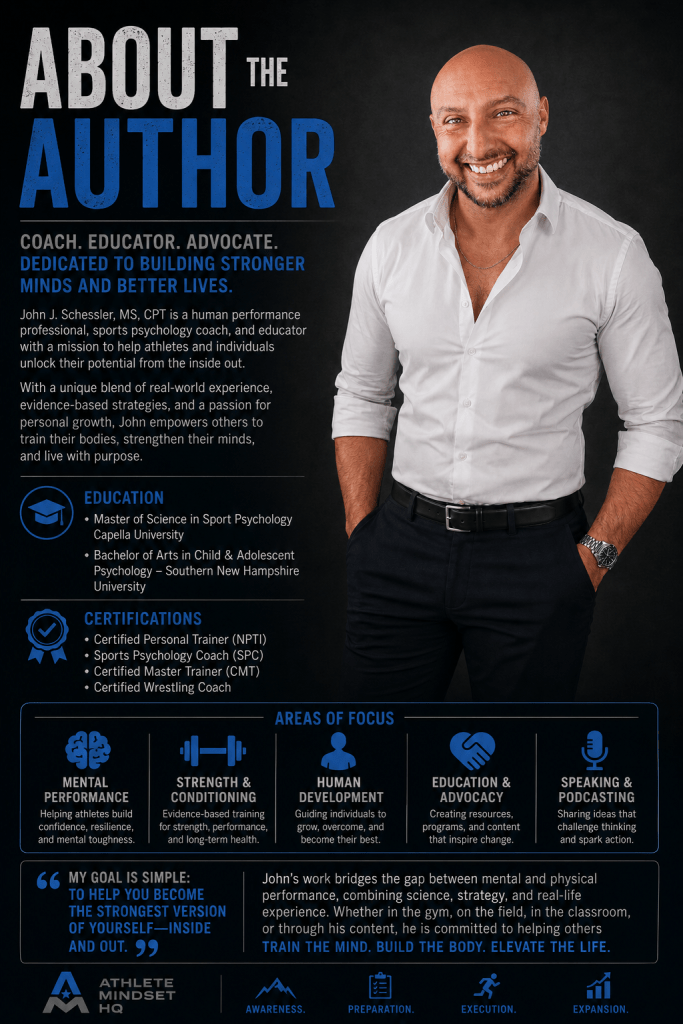


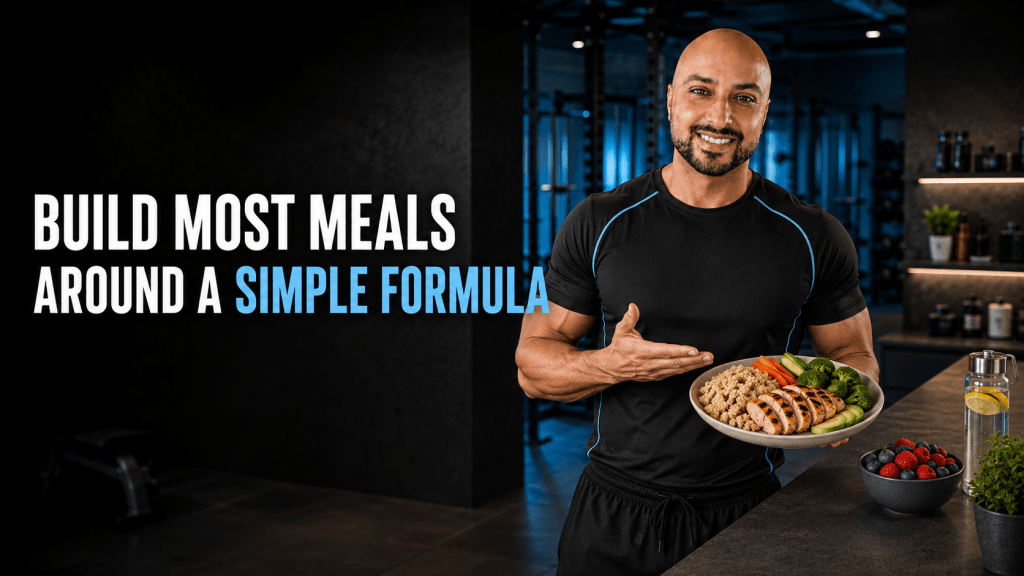
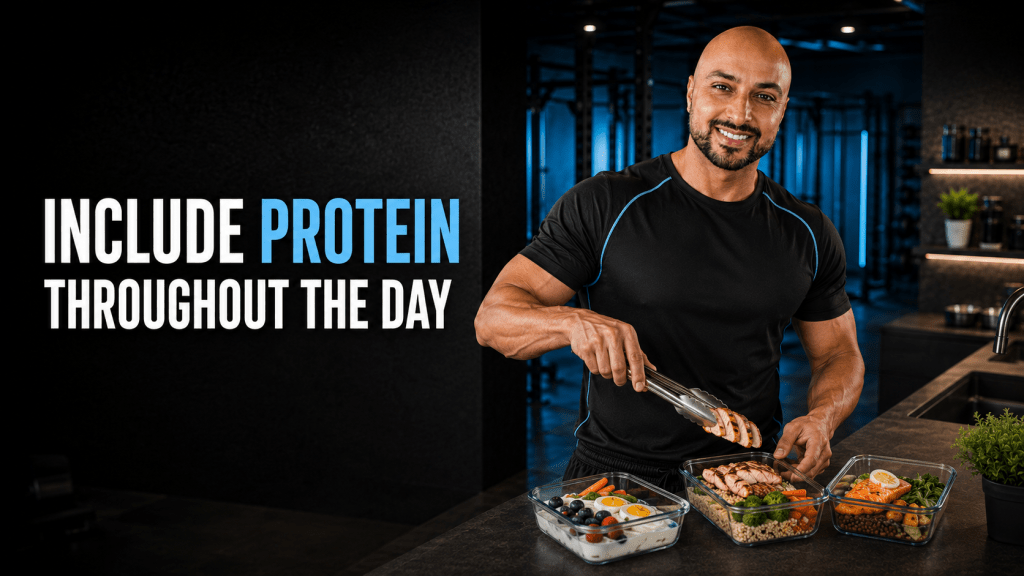
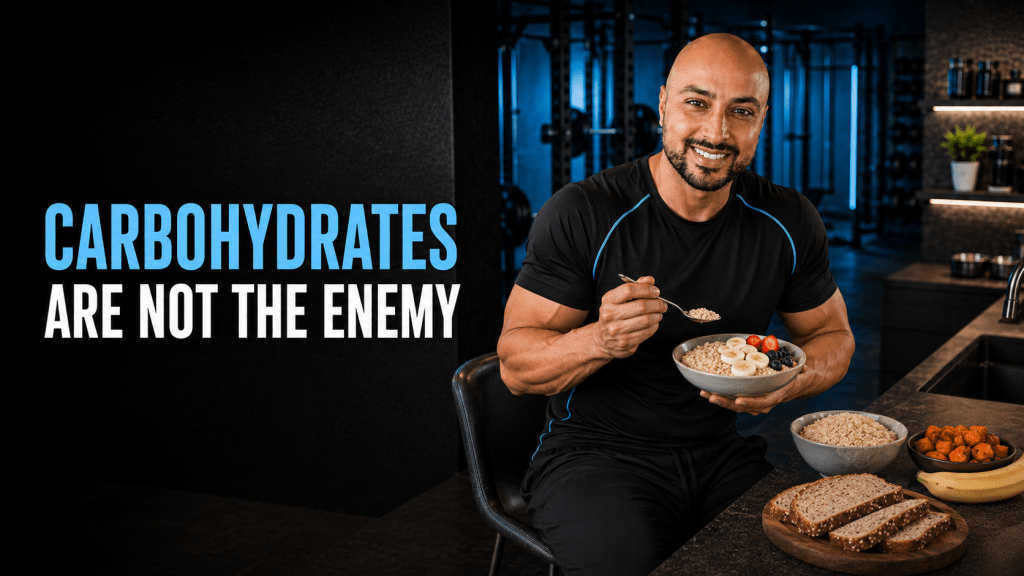
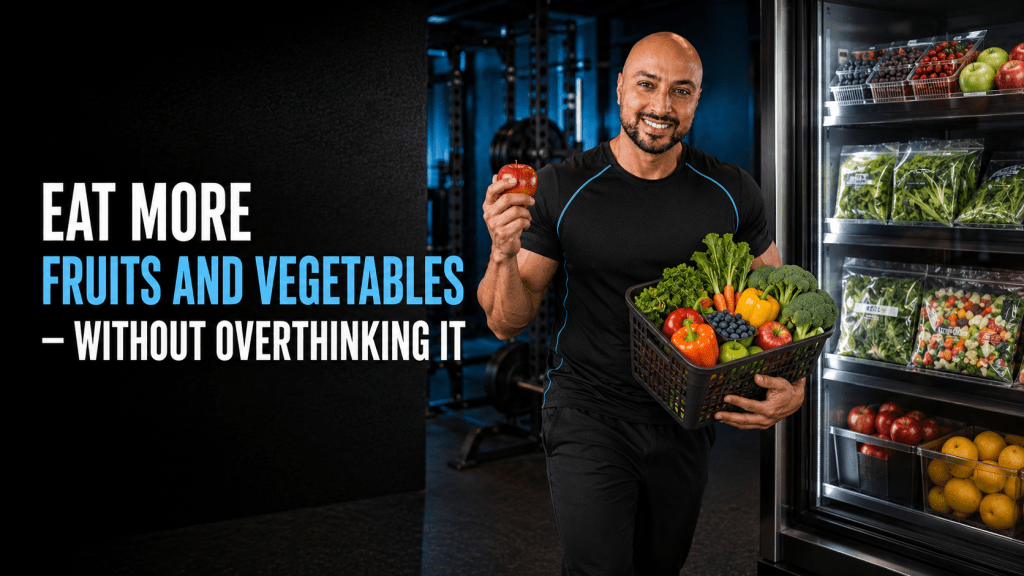

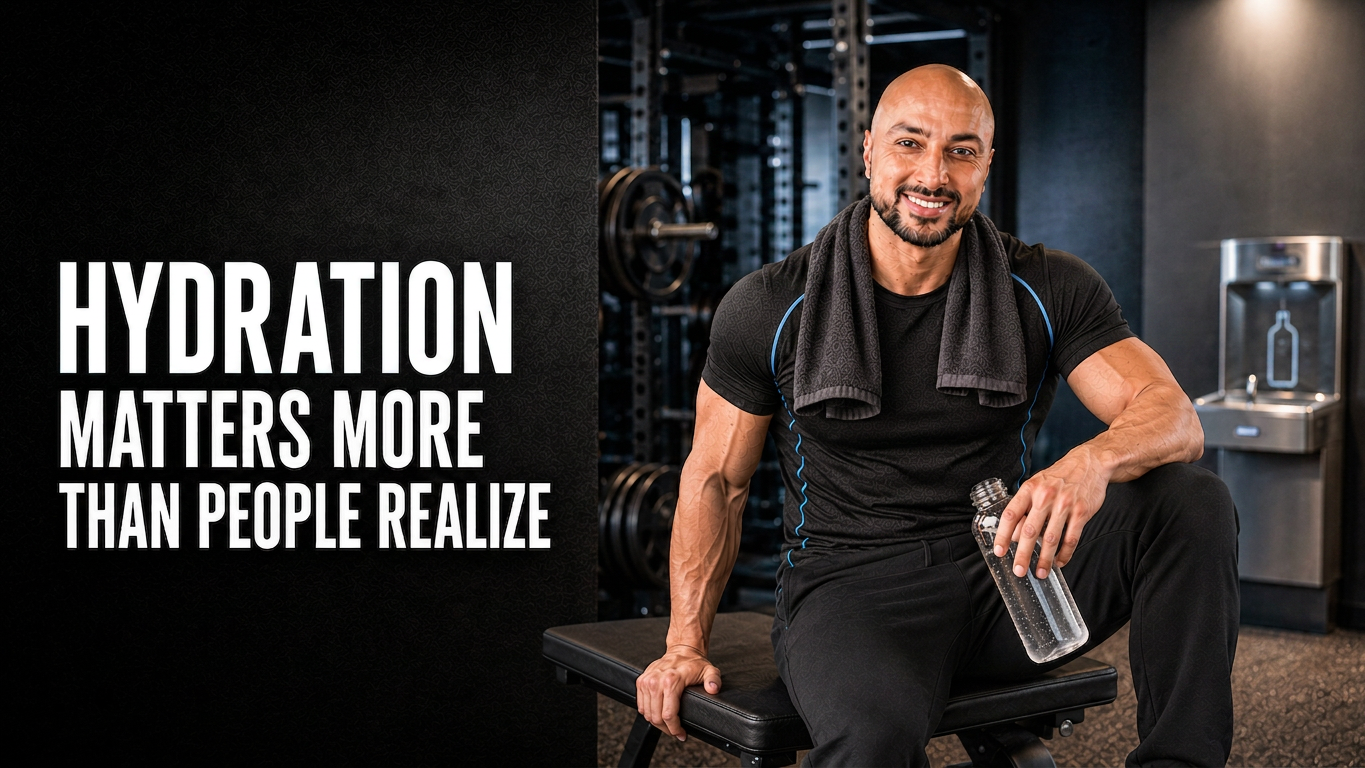
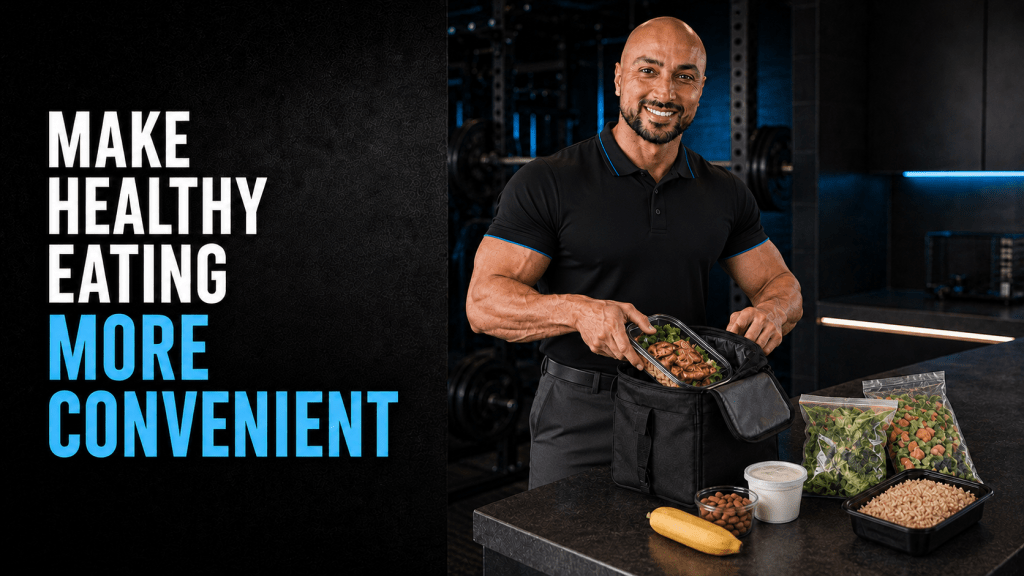
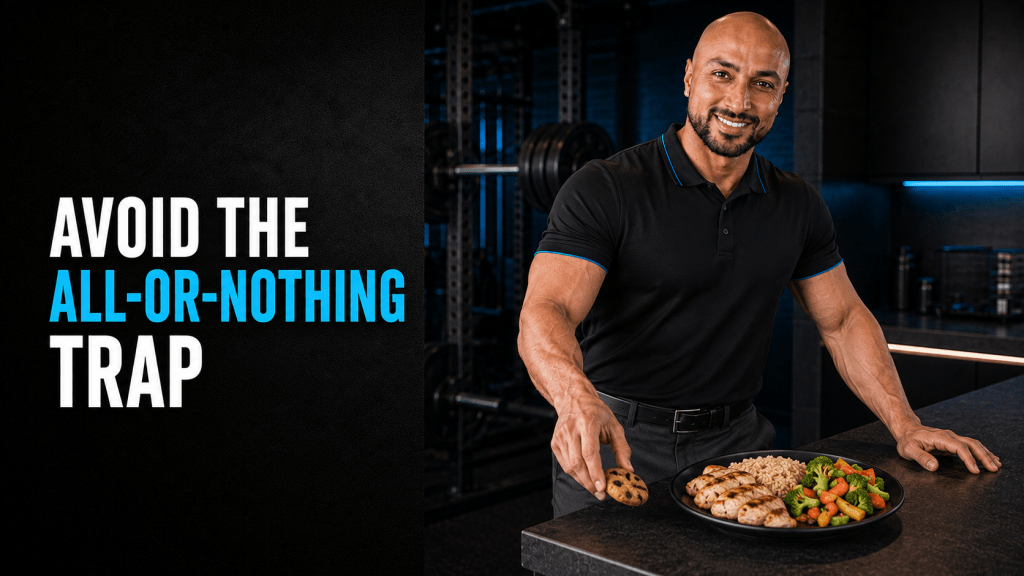
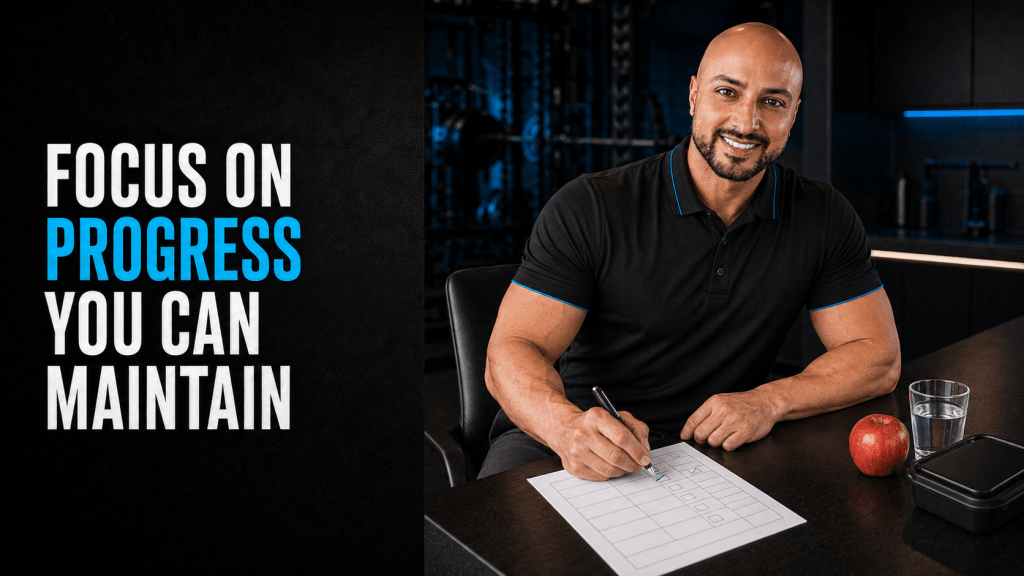



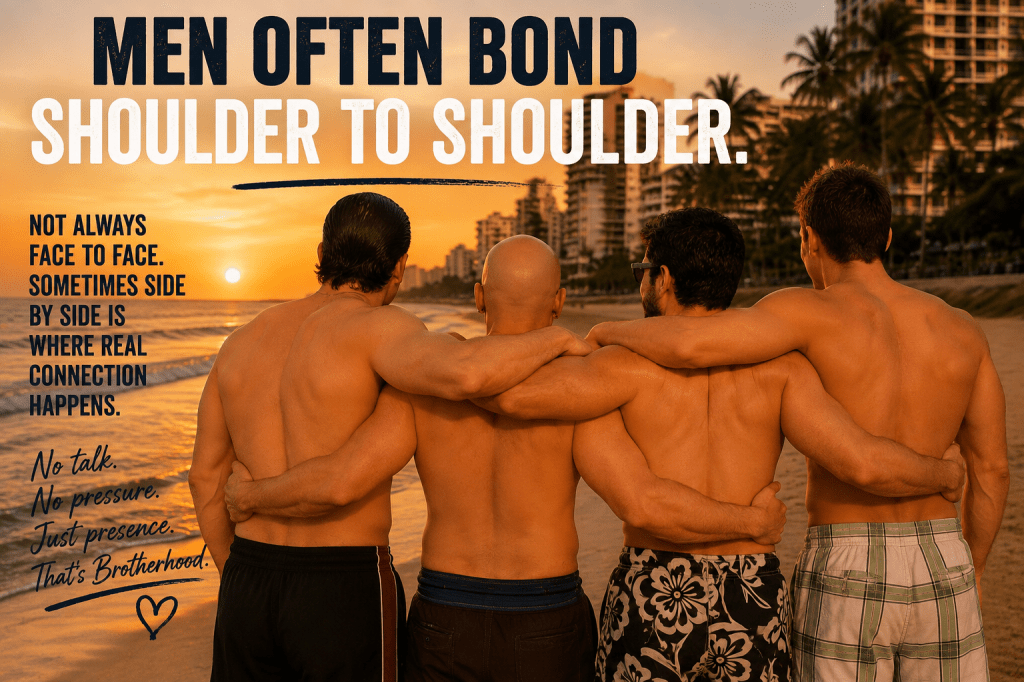

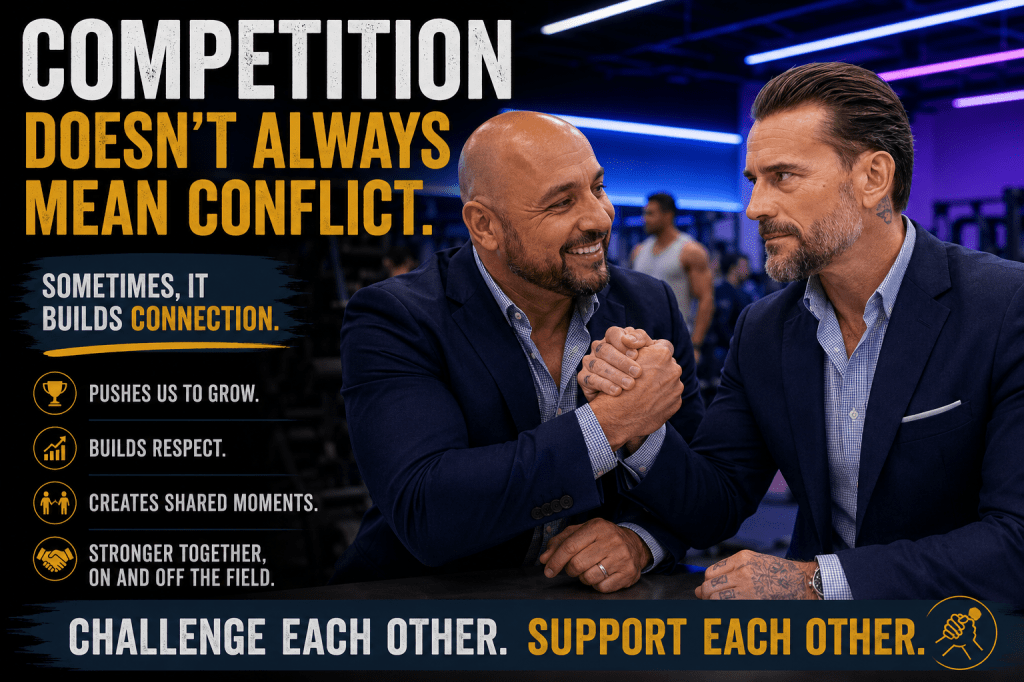
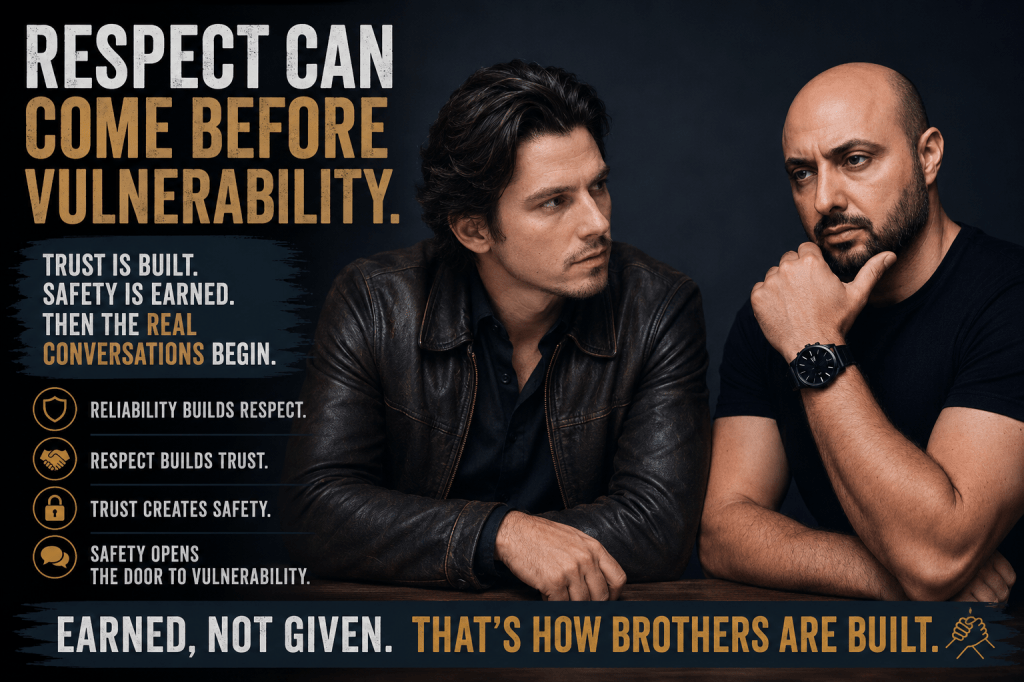
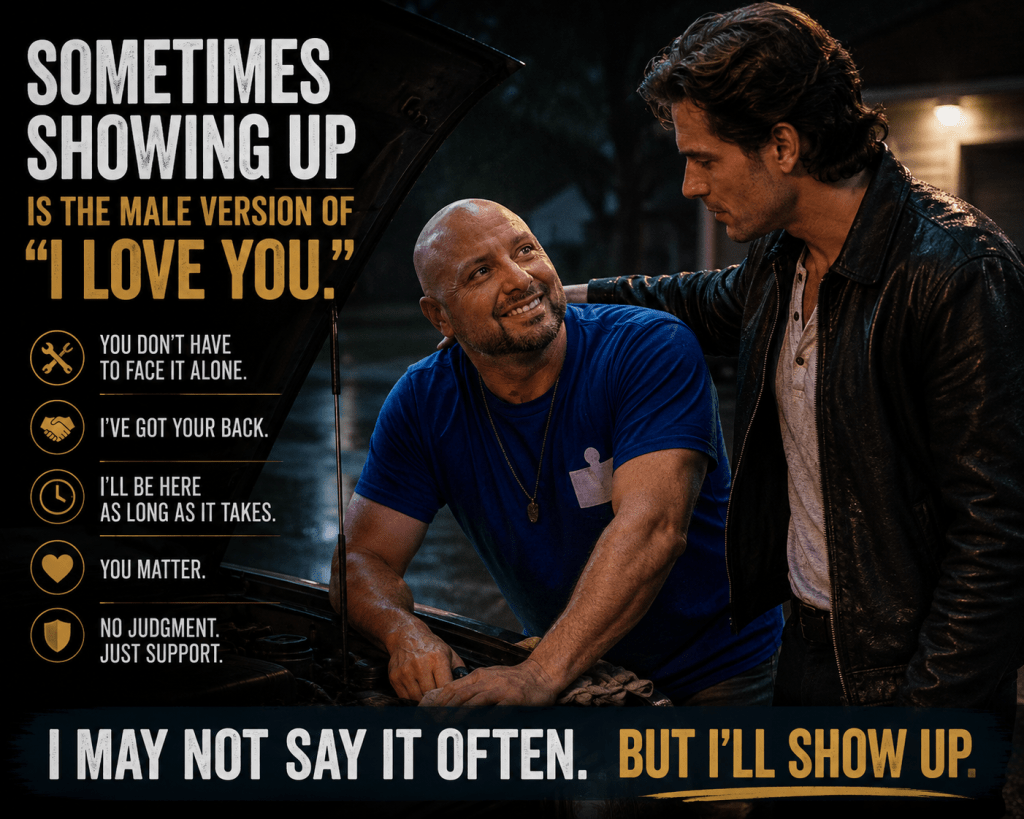
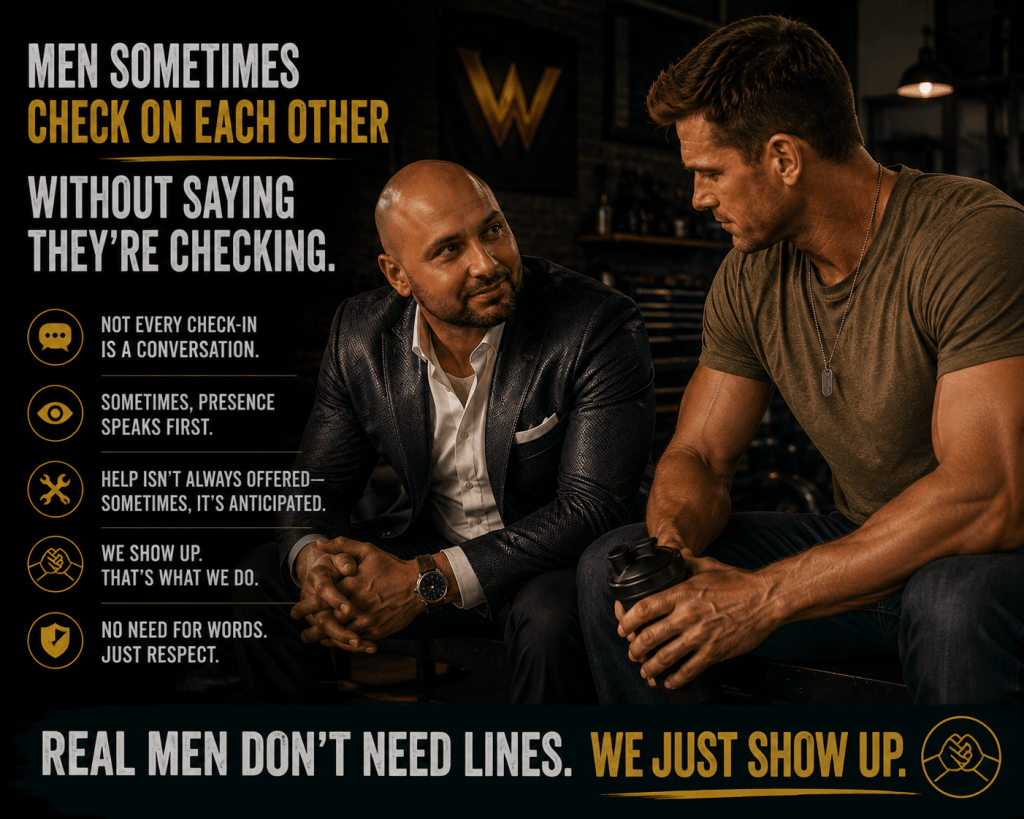
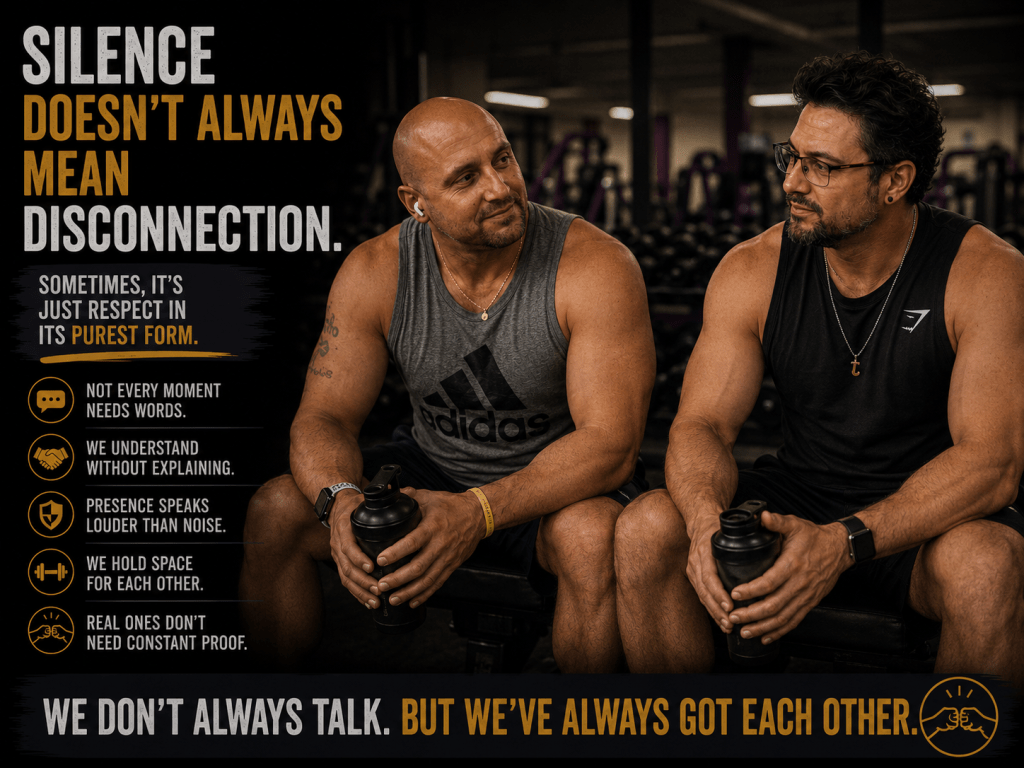
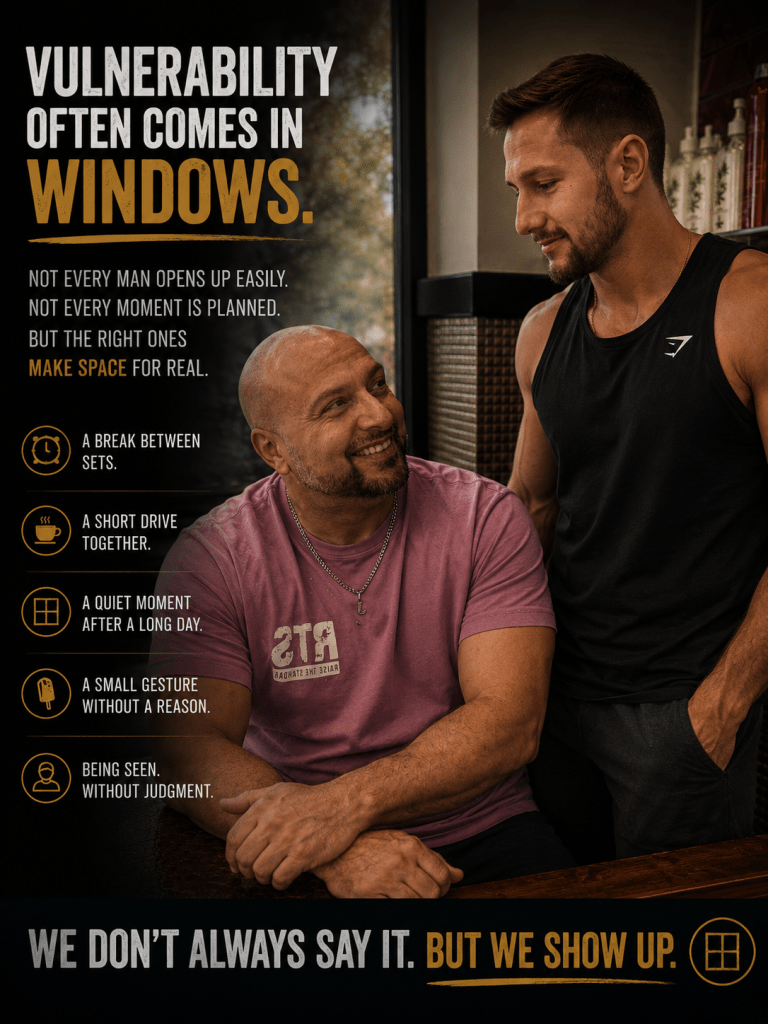
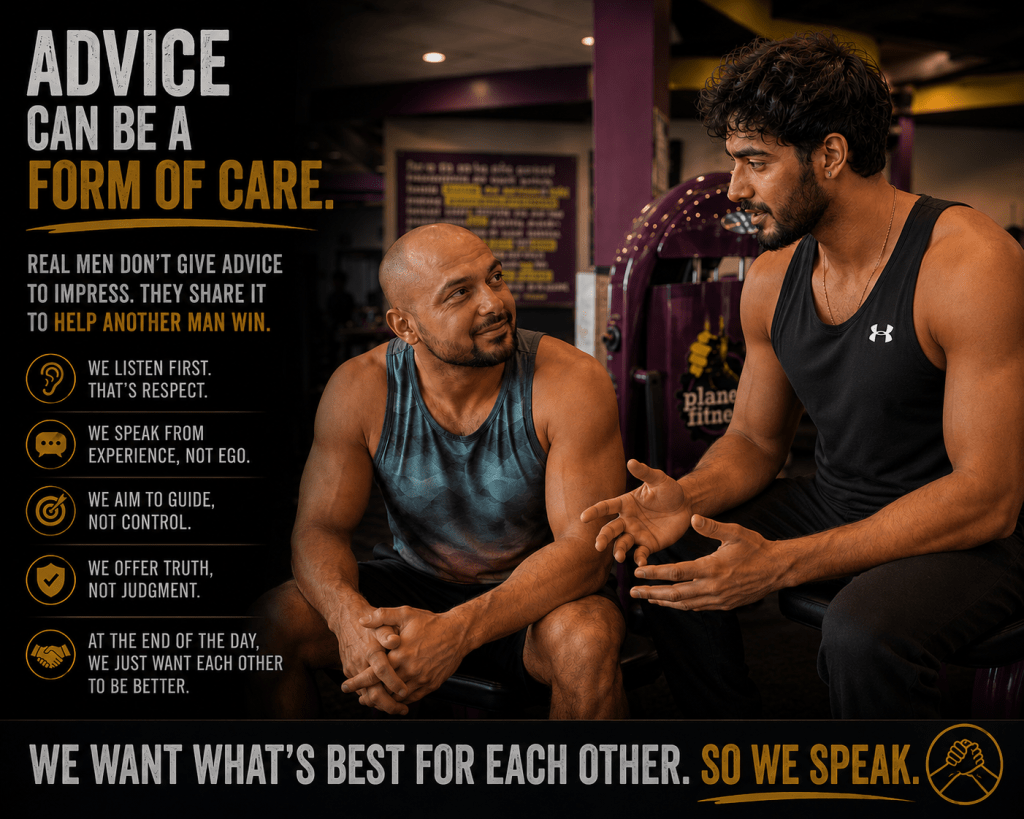
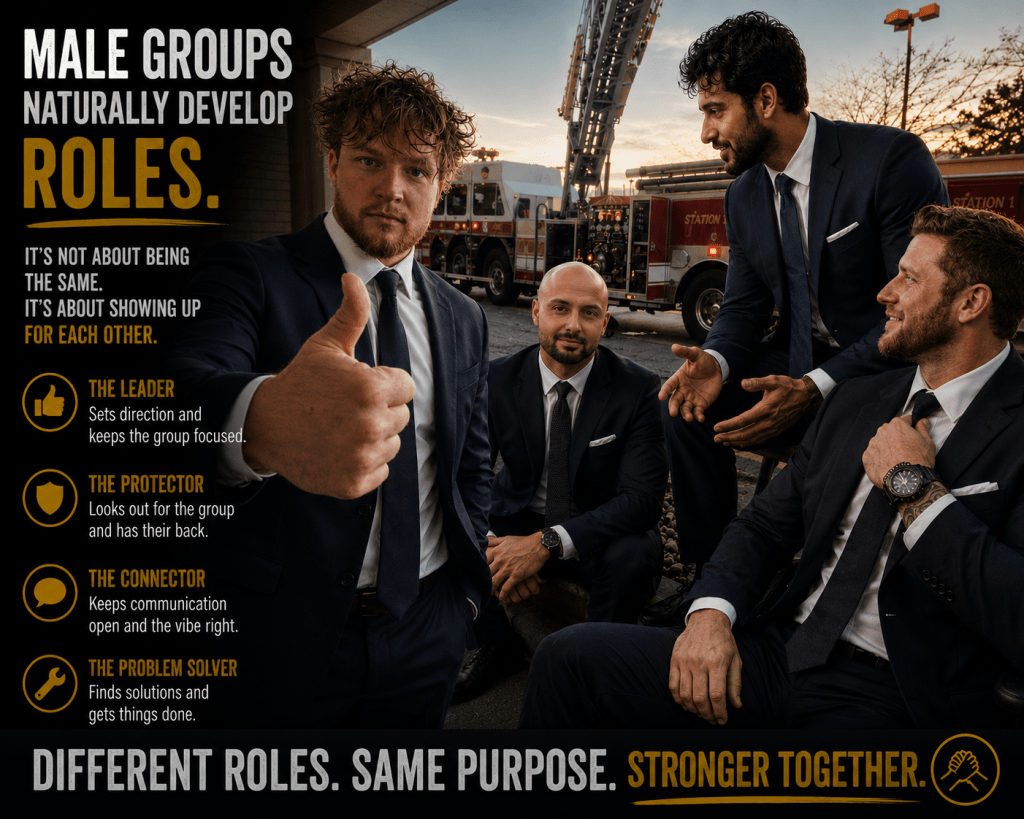

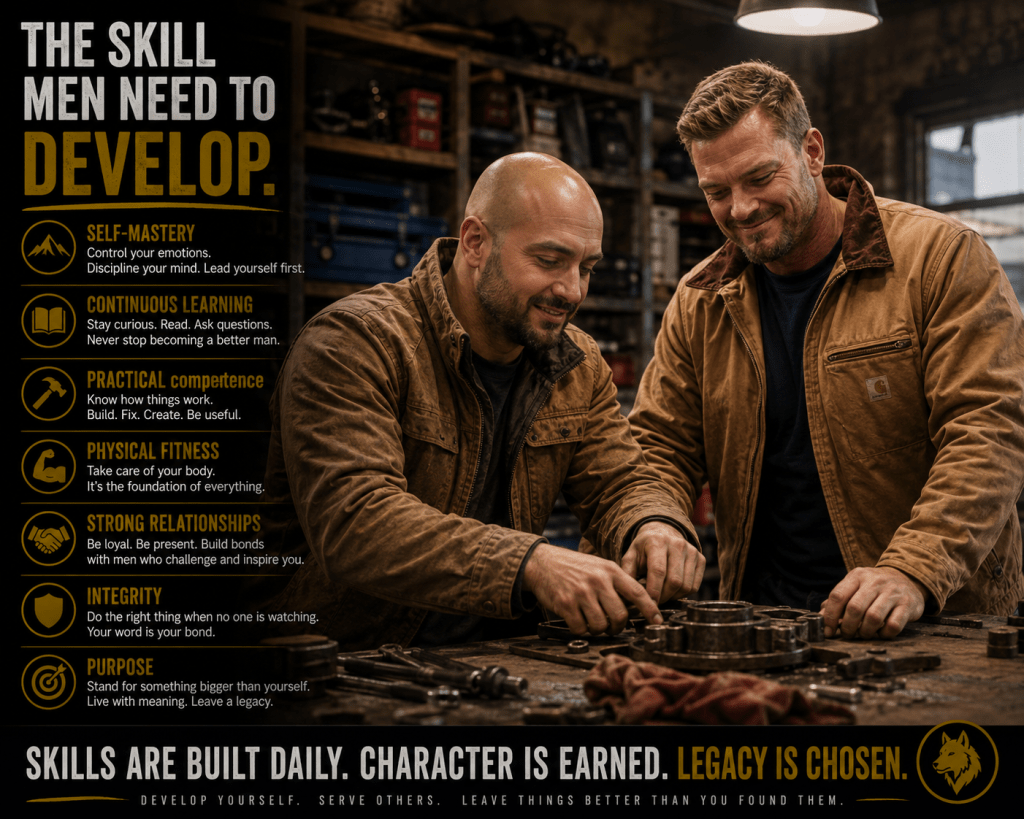
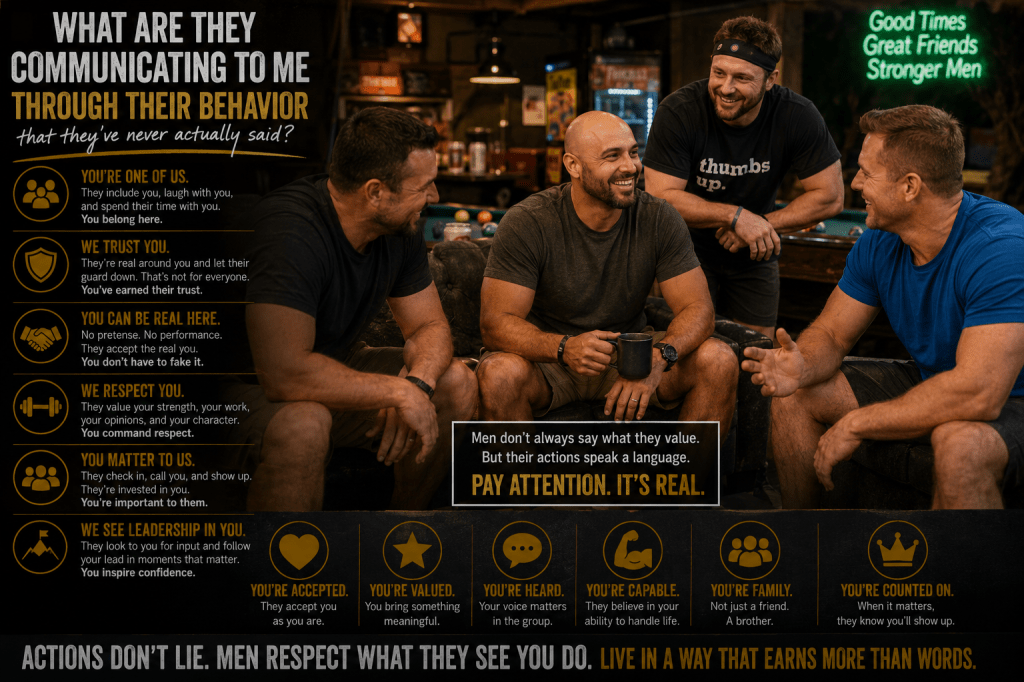


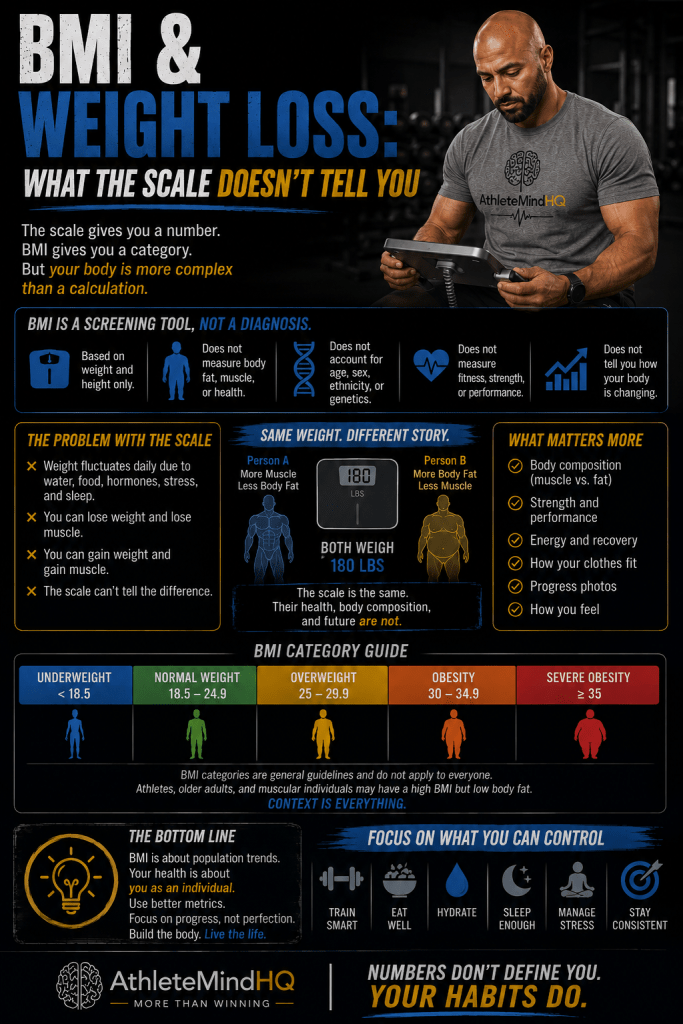
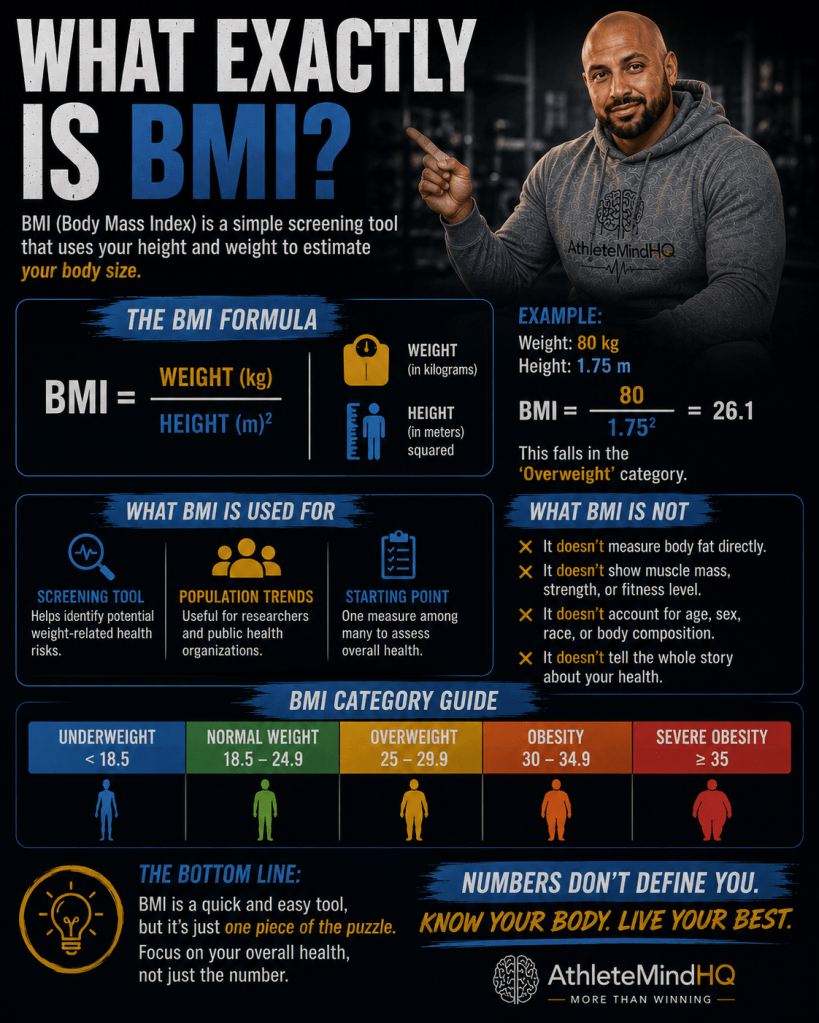

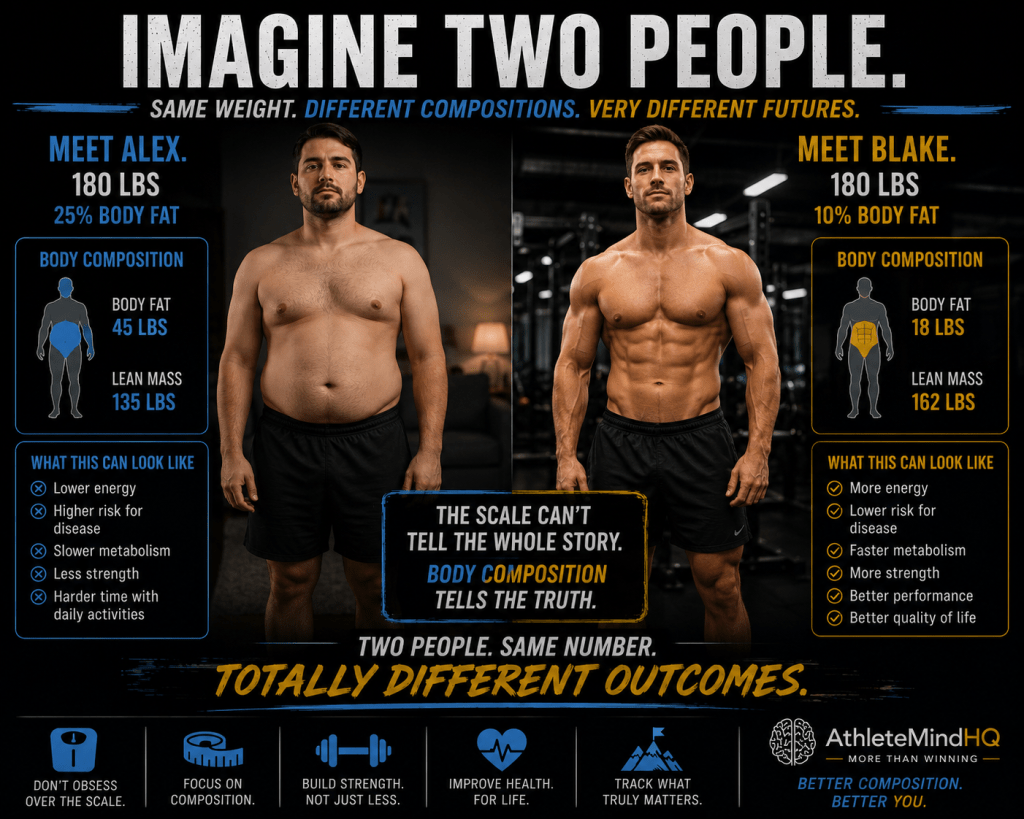
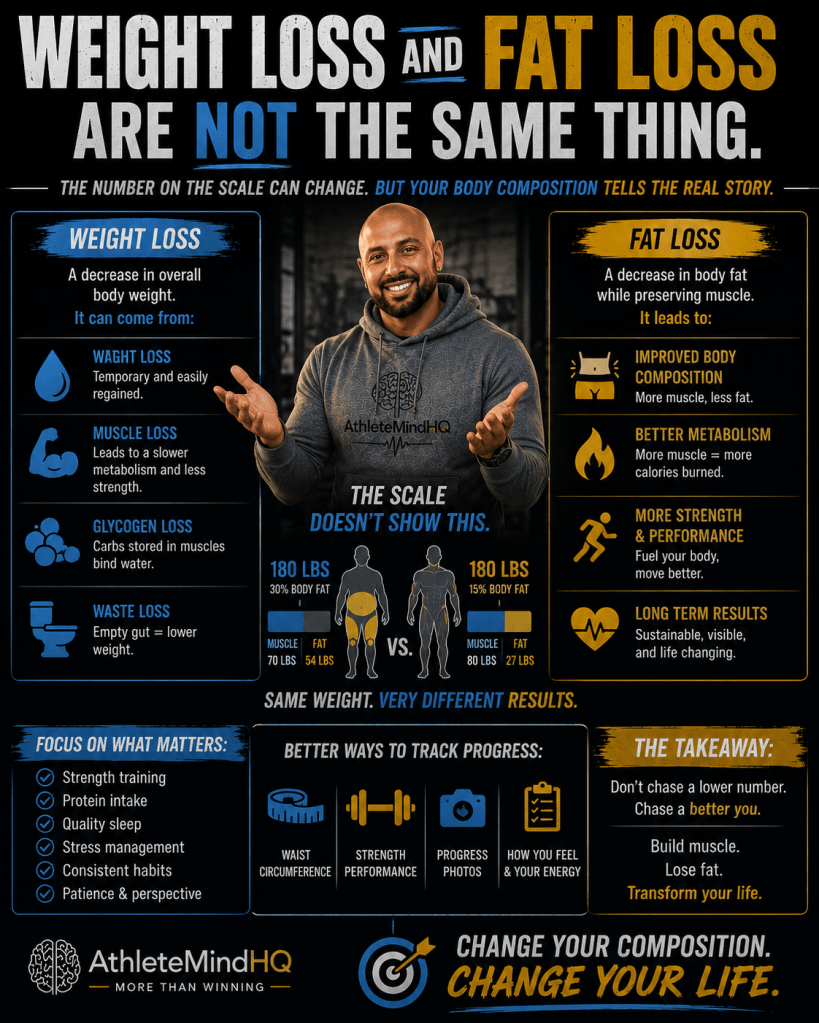

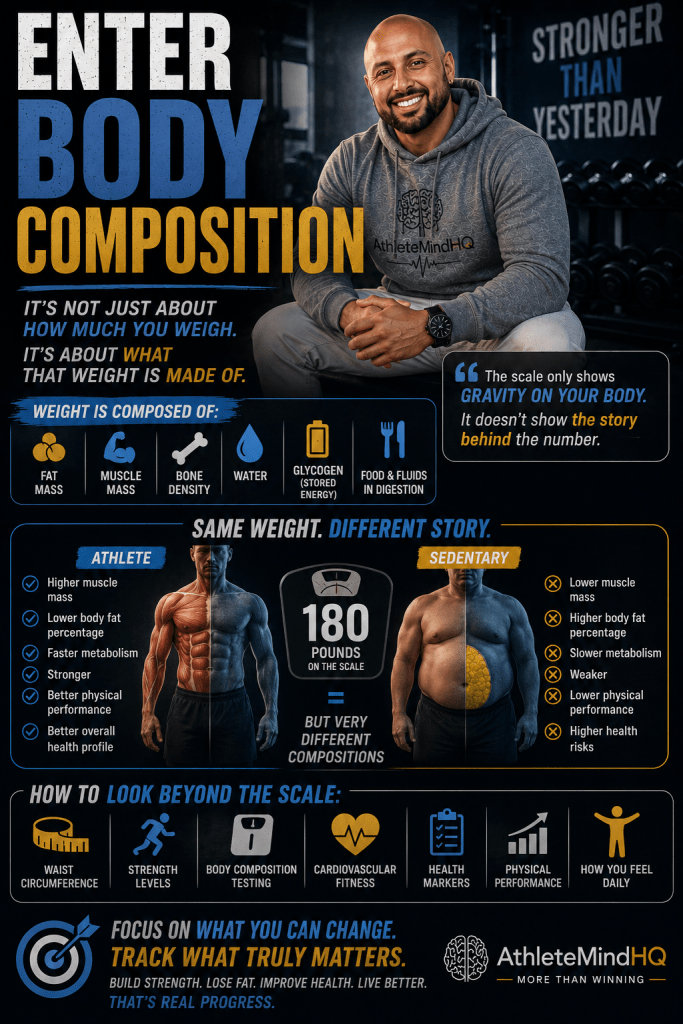
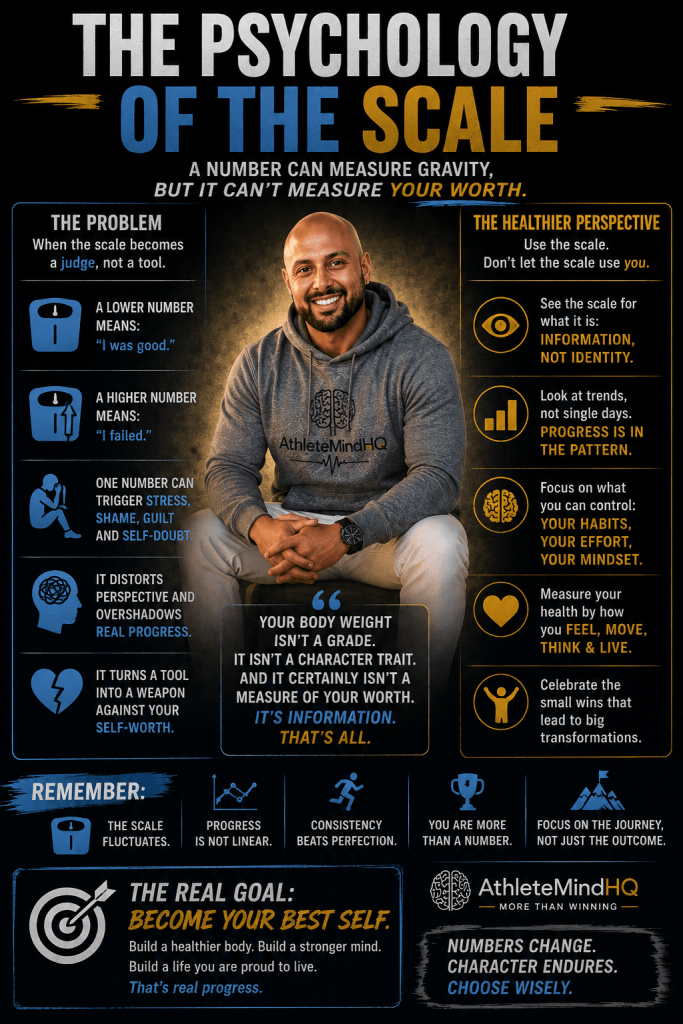


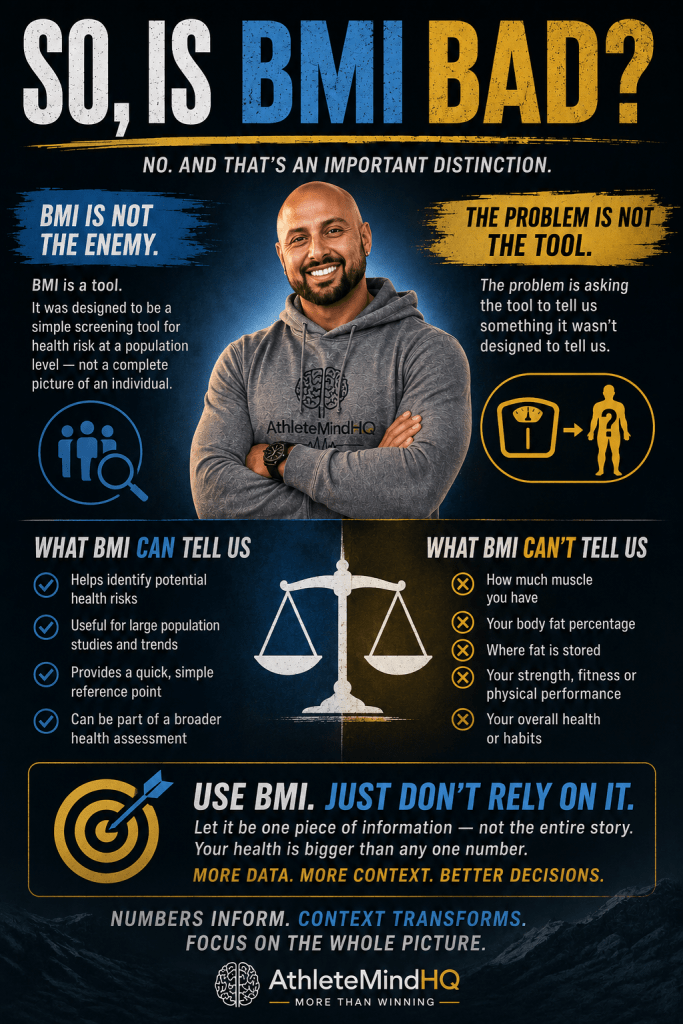
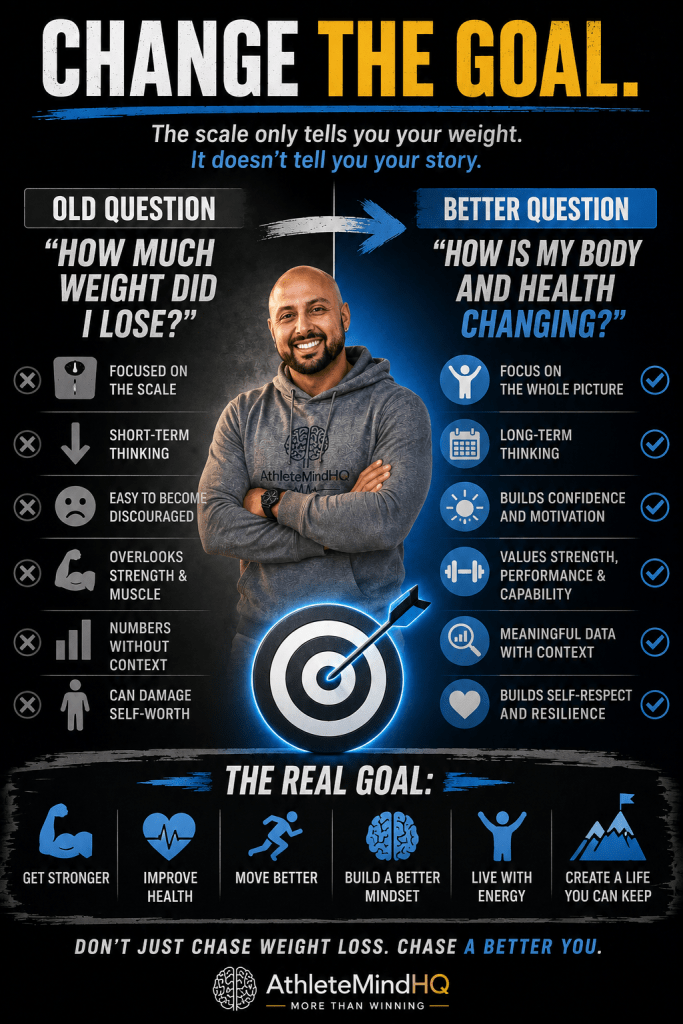

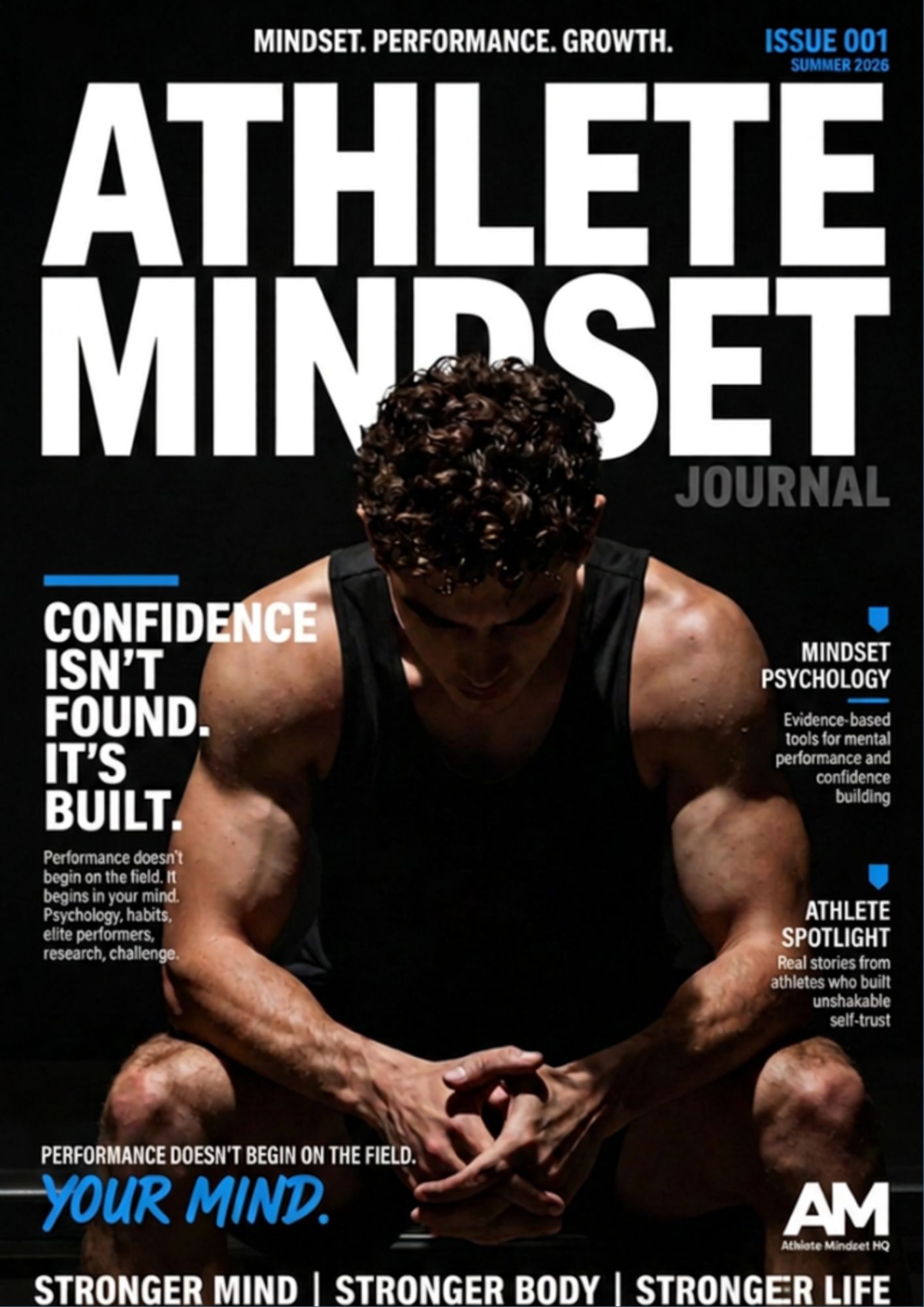
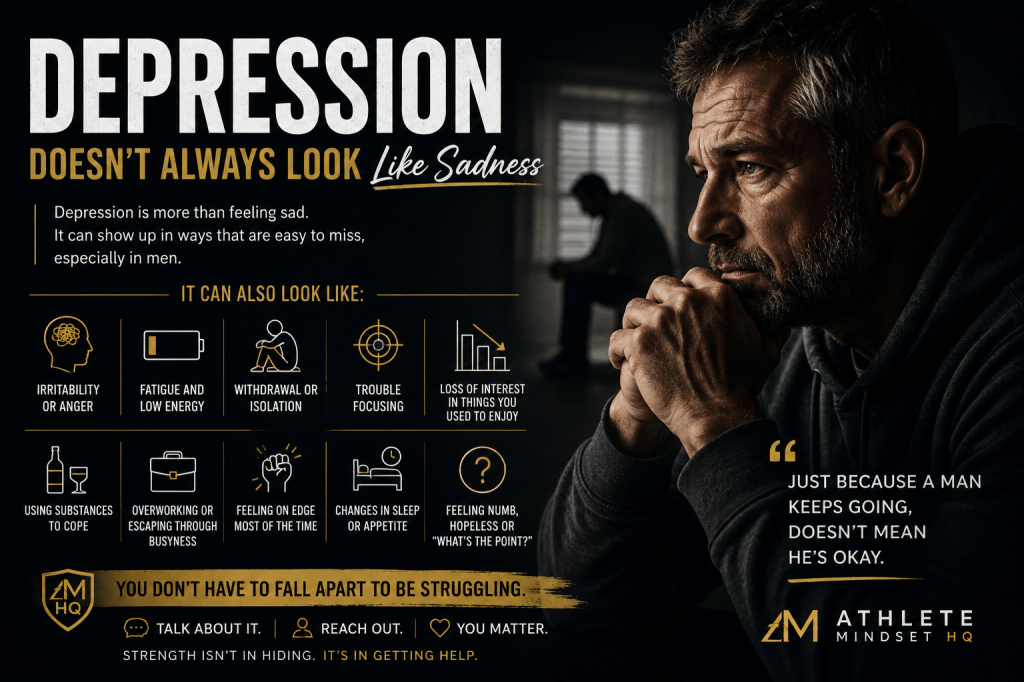
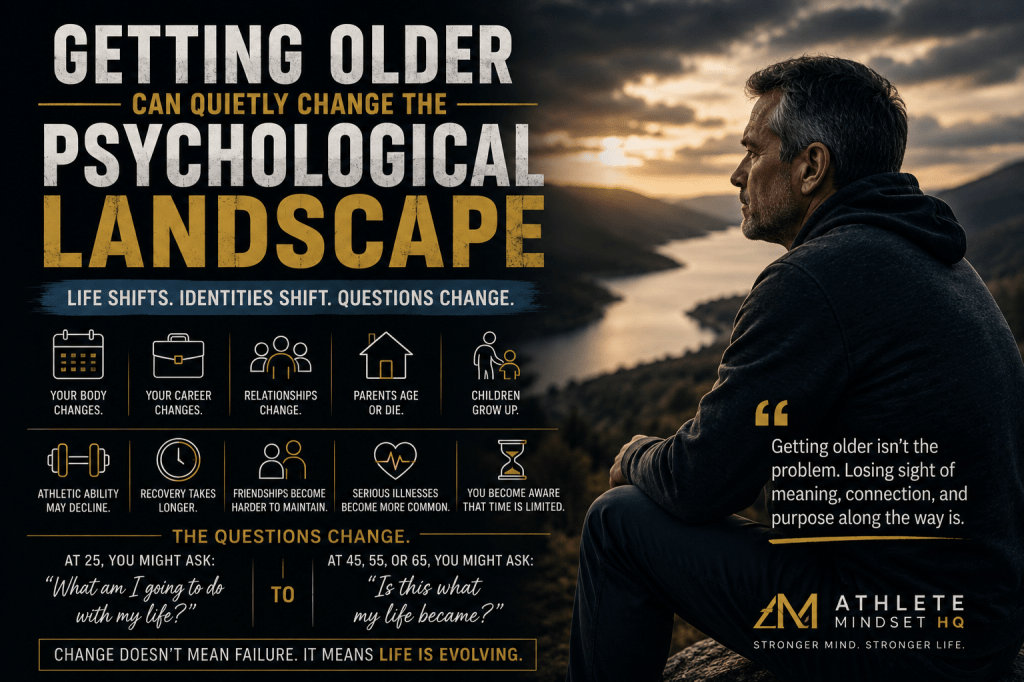
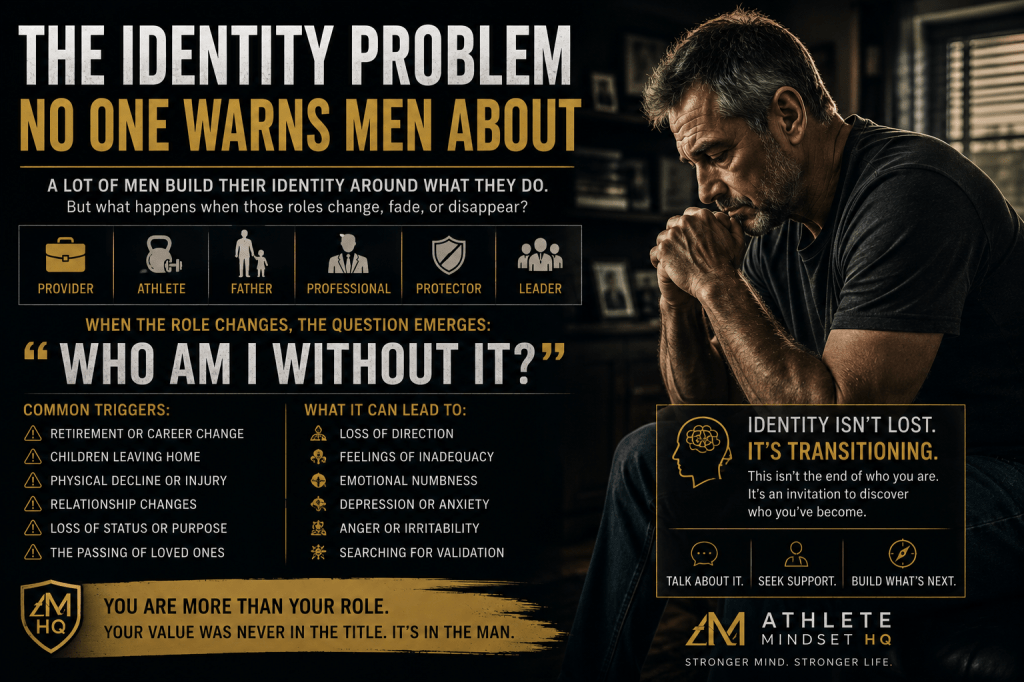
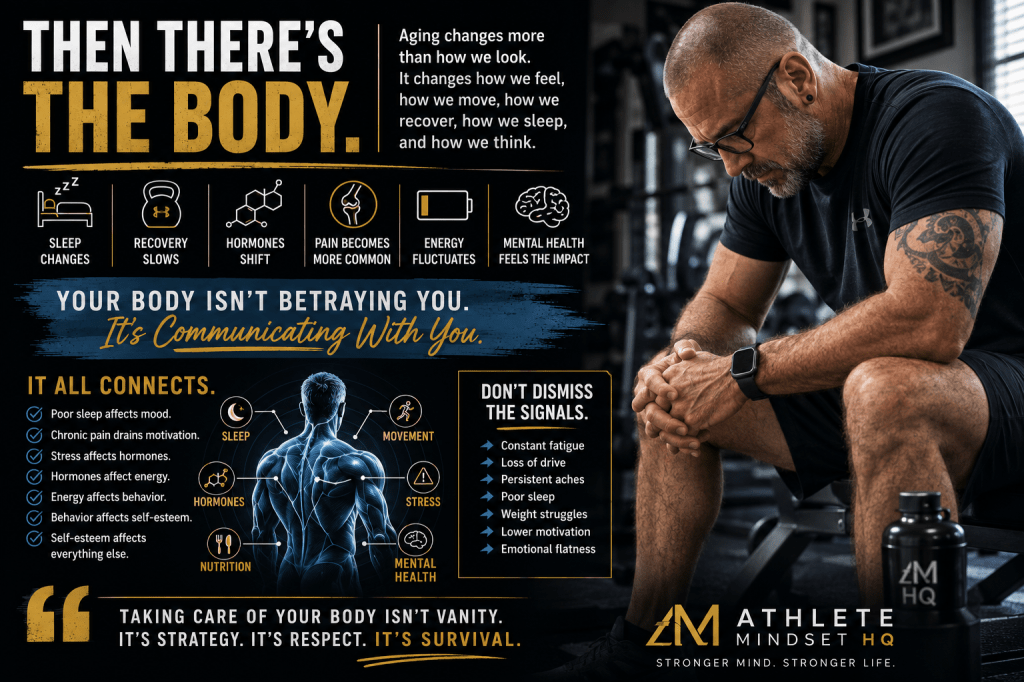
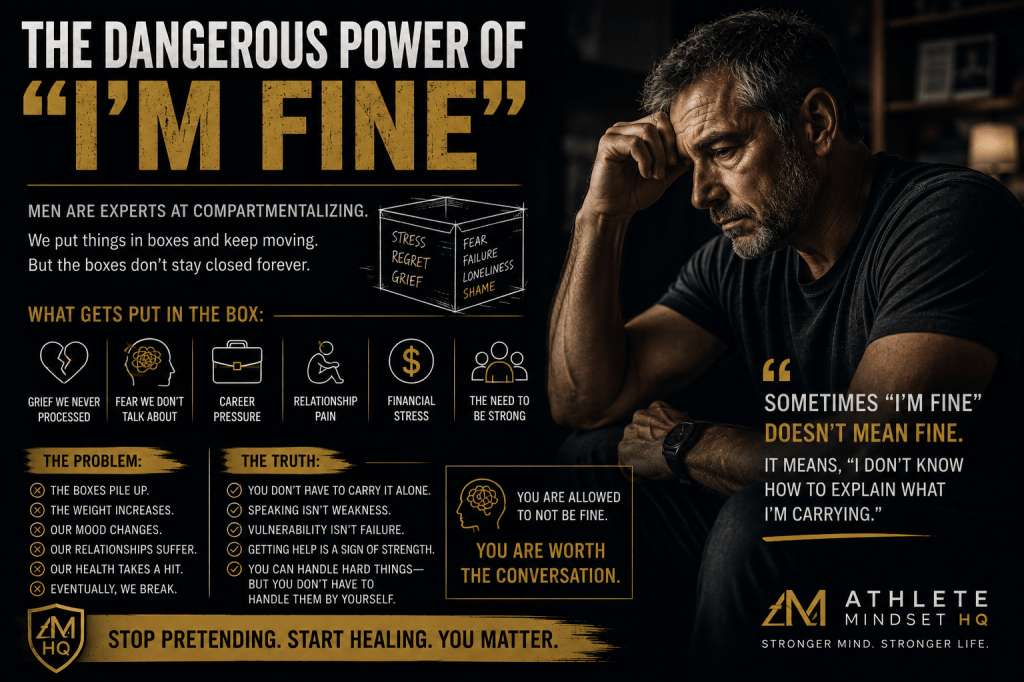
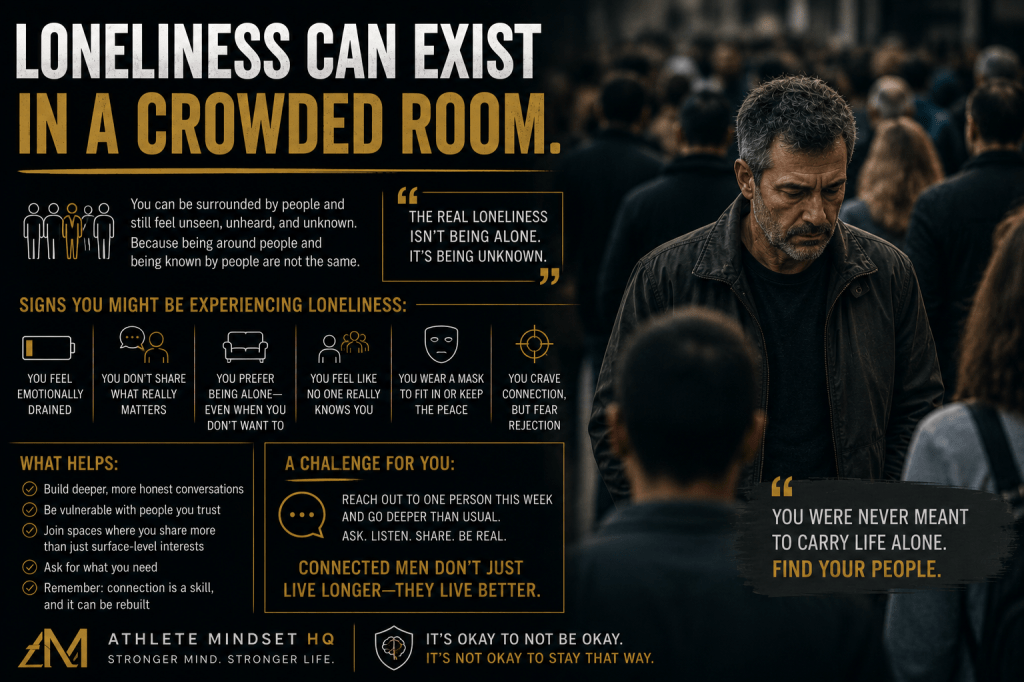
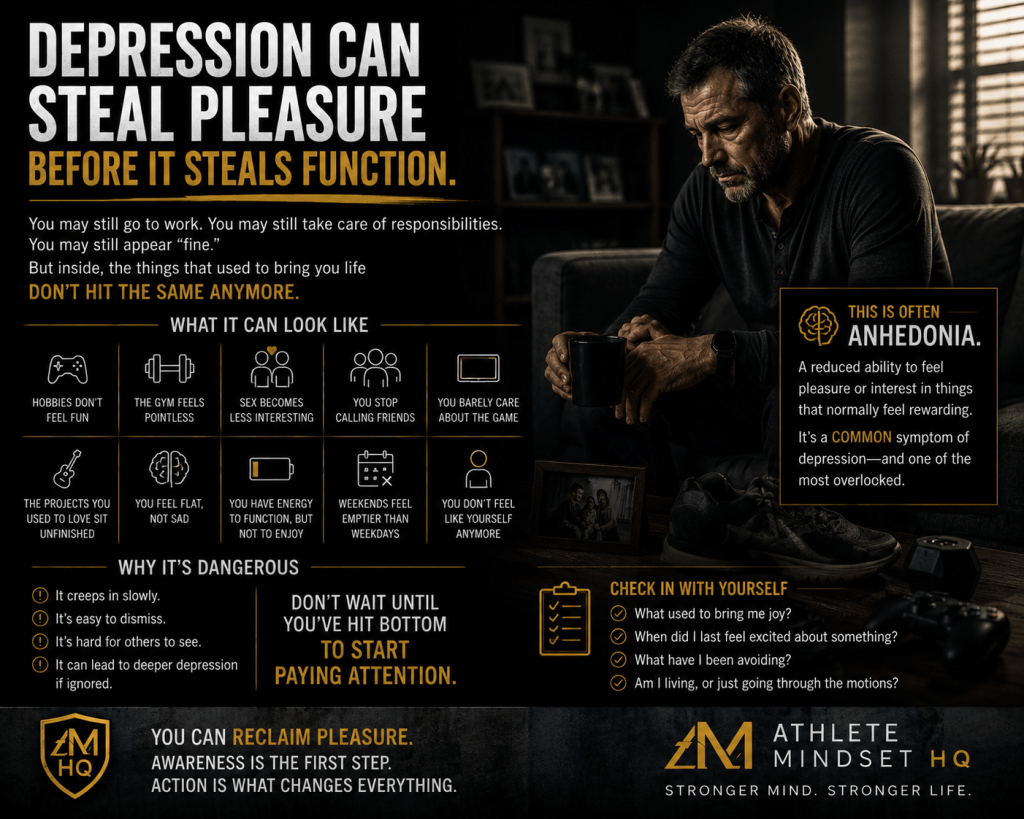
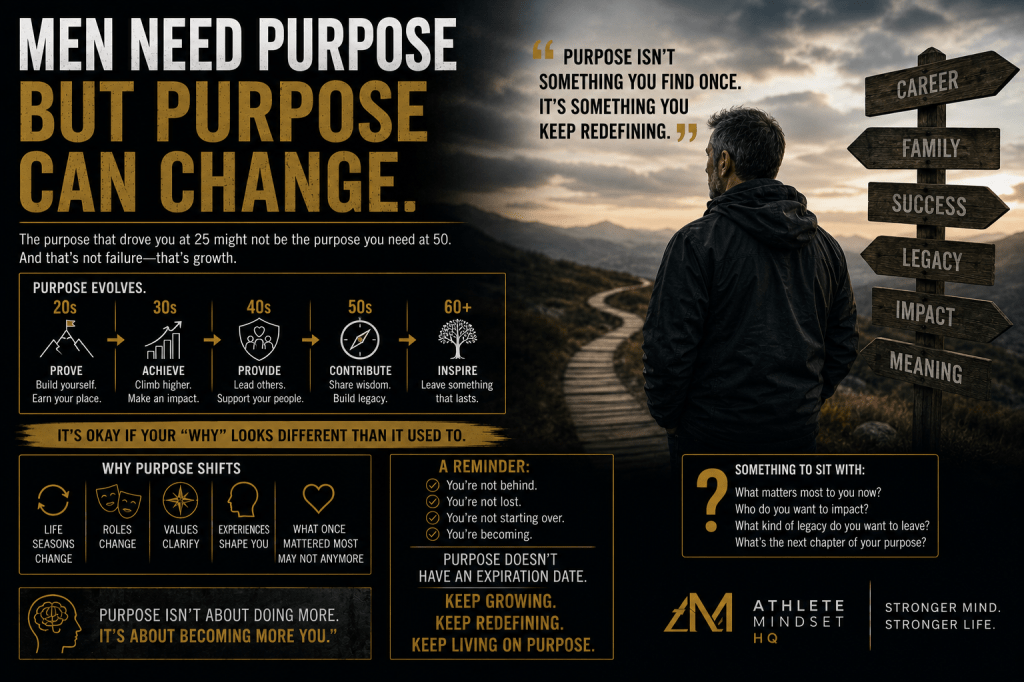
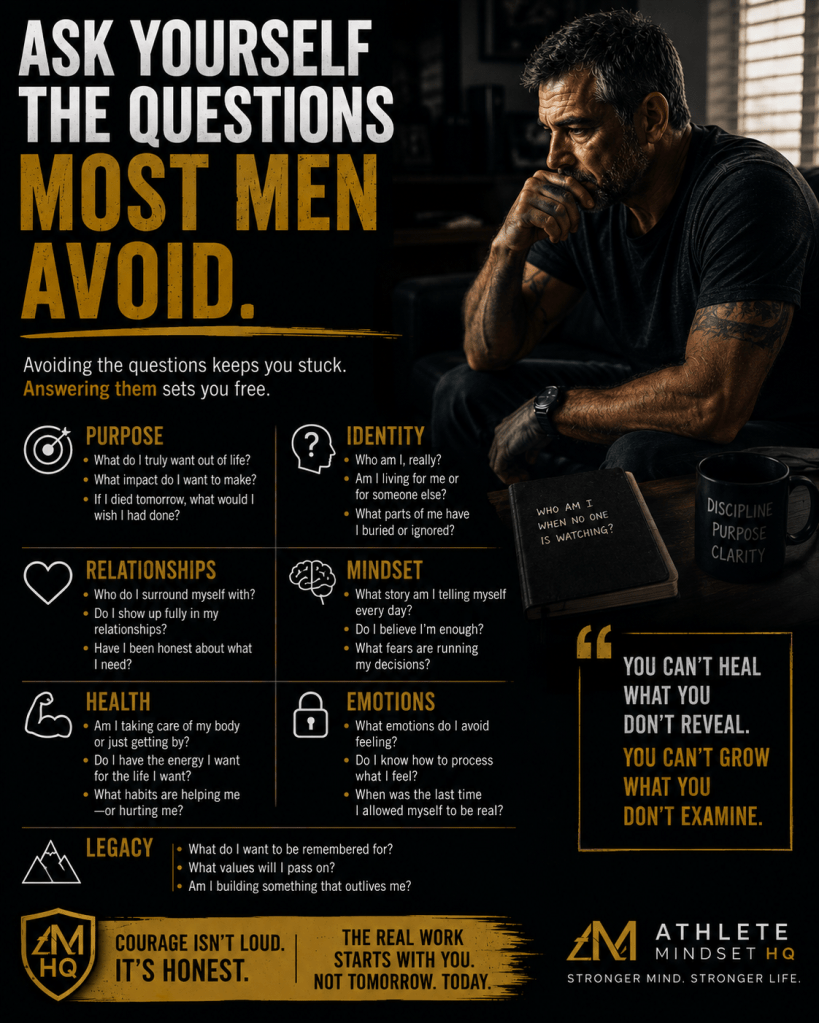
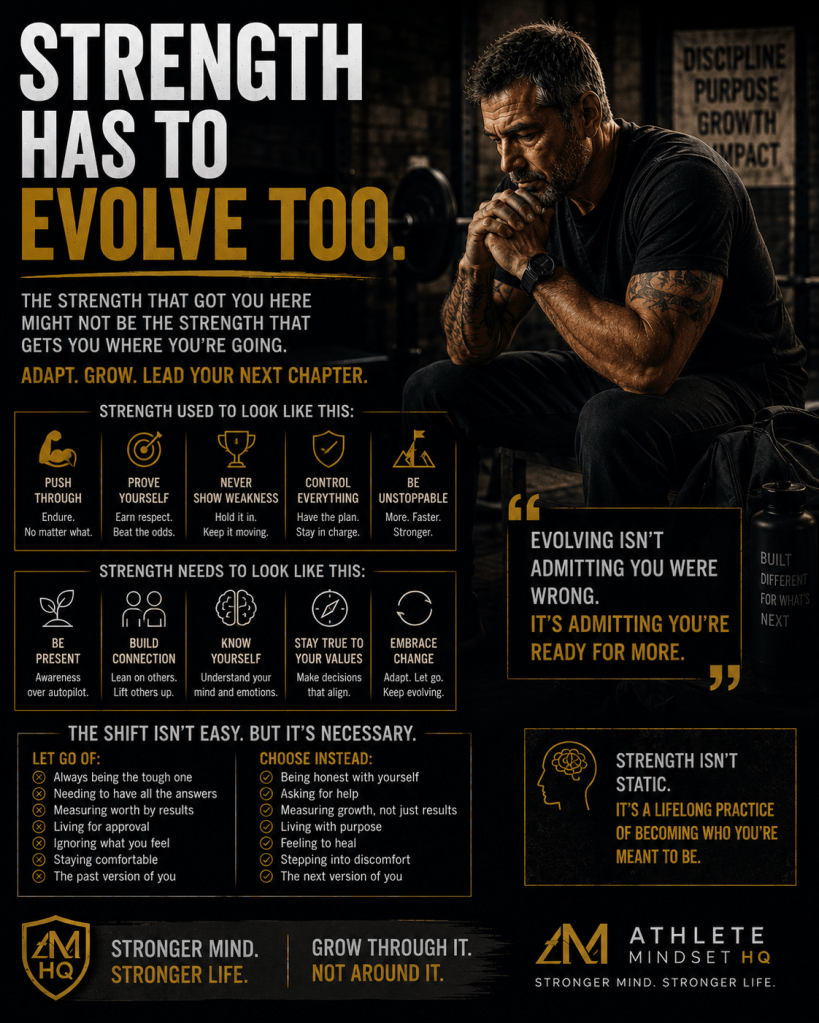
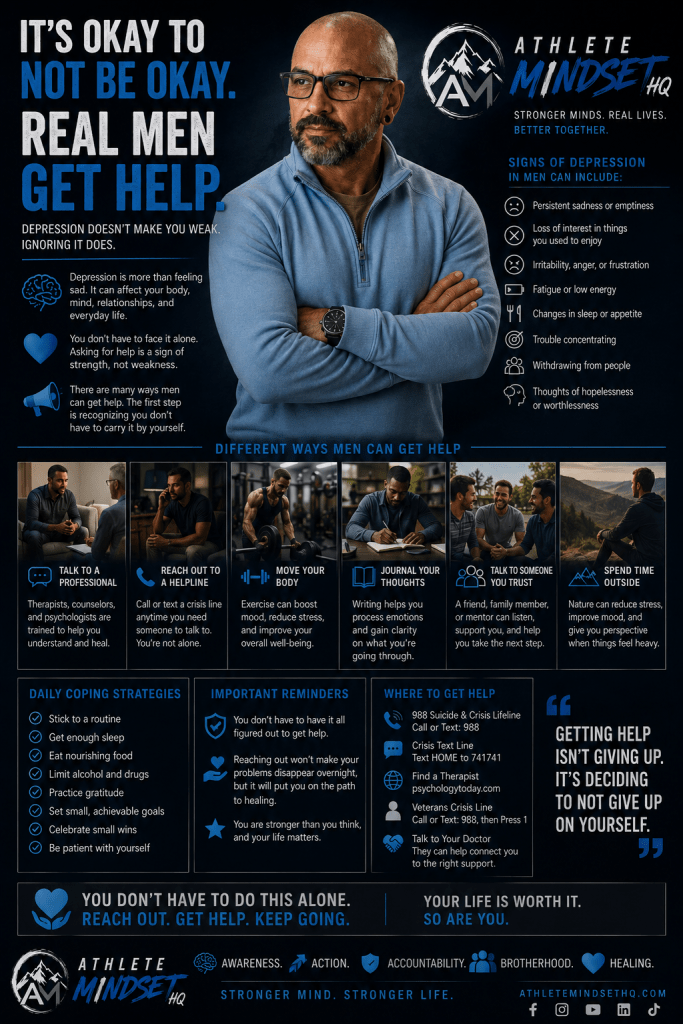
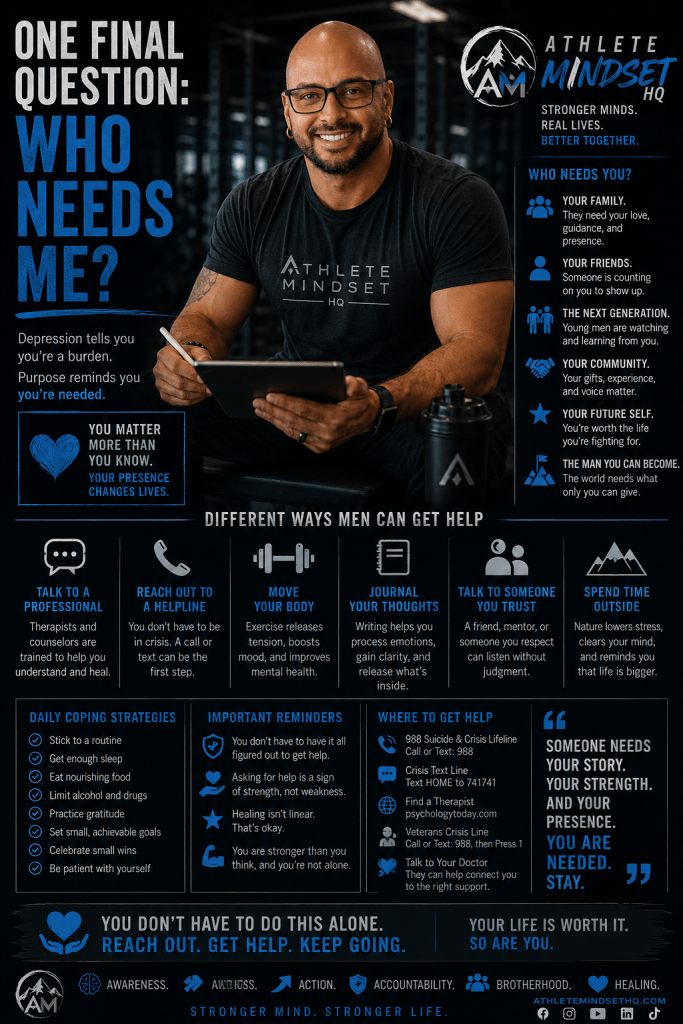
 Athlete Mindset HQ Institute